Miami Home Inspection: What Makes a House “Fail” (and What Buyers Should Watch For)
If you’re buying a home in Miami, the inspection is where you stop guessing and start knowing. A lot of buyers search things like “what would make a house fail a home inspection,” “what is considered a failed home inspection,” or “what can make you fail an inspection.” Totally fair question, especially in South Florida where insurance, hurricanes, humidity, and older construction can change the math fast.
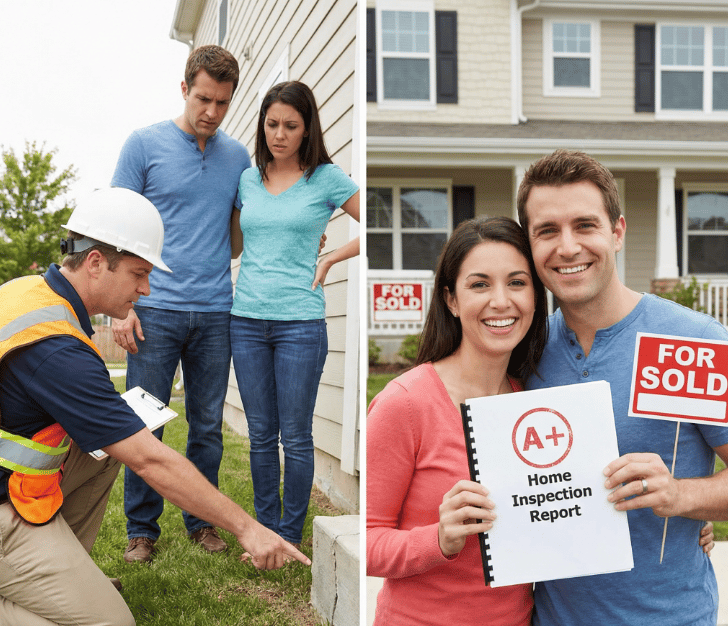
Here’s the simple truth: a home inspection isn’t a pass/fail test. It’s a detailed snapshot of condition and risk. When people say a home “failed,” they usually mean the inspection uncovered issues serious enough that the buyer wants repairs, a credit, a price reduction, specialist evaluations, or to cancel during the inspection period.
Below is a clear breakdown of the biggest deal breakers in a Miami home inspection, what inspectors do and do not check, and the Miami-specific problems buyers should look for.
Want to know more about the whole buying process? click here
What is considered a “failed” home inspection?
A “failed home inspection” usually means one of these happened:
-
The inspector found major safety or structural concerns
-
The home needs expensive repairs soon
-
The findings make the property hard to insure (big in Florida)
-
The buyer and seller can’t agree on repairs or credits
-
The buyer uses the inspection contingency to walk away
In Miami, “failed” often really means “this will be a problem for insurance or future resale.” A home can look great and still raise red flags if the roof is old, the electrical panel is outdated, or there are signs of recurring water intrusion.
What would make a house fail a home inspection in Miami?
1) Roof problems (and roof age)
Roof issues are a top reason buyers renegotiate. Inspectors look for:
-
Active leaks or evidence of past leaks
-
Missing/damaged tiles or shingles
-
Soft spots, lifting materials, poor flashing
-
Ponding water on flat roofs
Even without leaks, roof age matters because it can impact homeowners insurance and your future costs. In South Florida, buyers often treat an aging roof like a ticking expense.
2) Electrical hazards
Electrical issues can be dangerous and expensive. Inspectors often flag:
-
Double-tapped breakers
-
Exposed wiring, open splices, loose connections
-
DIY electrical work
-
Outdated or problematic panels
-
Aluminum wiring (seen in certain decades)
Even if everything “works,” unsafe setup is a negotiation trigger, and sometimes insurers ask for updates.
3) Plumbing issues (especially older homes)
Plumbing can quietly become a huge bill. Inspectors will note:
-
Leaks under sinks, around toilets, at shutoff valves
-
Low water pressure (possible larger issue)
-
Corroded or aging supply lines
-
Signs of water damage around plumbing locations
In older Miami homes, buyers also worry about drain line condition and long-term reliability.
4) Structural or foundation concerns
Not every crack is a problem, but some are. Inspectors watch for:
-
Large cracks or stair-step cracking
-
Sloping floors
-
Windows/doors that don’t align or stick unusually
-
Signs of previous structural repairs
If an inspector recommends a structural engineer, many buyers pause the negotiation until they get a professional opinion.
5) Moisture, mold risk, and water intrusion
Humidity plus rain plus older construction can create recurring issues. Inspectors may note:
-
Stains on ceilings/walls
-
Musty odors (not proof, but a warning sign)
-
Poor bathroom ventilation
-
Condensation issues
-
AC drain problems that cause moisture buildup
Important: a standard inspection is not a mold test, but the inspector may recommend additional evaluation if conditions suggest higher risk.
6) Termites and wood-destroying organisms (WDO)
A standard home inspection may mention visible damage or conditions that attract termites. But in Florida, many buyers also order a separate WDO inspection.
7) HVAC and AC issues
In Miami, AC isn’t optional. Inspectors often flag:
-
Old system near end of life
-
Poor cooling performance
-
Dirty coils, clogged drains, water in drain pans
-
Improper installation or airflow issues
-
Duct leaks or damaged ducts
If the AC is aging, buyers often ask for service records or negotiate for replacement cost.
Common searches: AC inspection Miami, HVAC inspection problems, AC life expectancy Florida
8) Windows, doors, and storm readiness
Hurricane readiness matters. Inspectors typically note:
-
Windows/doors that don’t operate properly
-
Failed seals, water intrusion around frames
-
Visible damage or poor installation
Buyers often also evaluate whether the home has impact windows/doors or hurricane shutters, because that affects comfort, safety, and sometimes insurance pricing.
9) Pool and waterfront concerns (when applicable)
Pool systems can be costly, and many buyers do a separate pool inspection. For waterfront properties, seawall condition is a whole category that usually requires a specialist.
10) Unpermitted work and questionable renovations
This is a big one in Miami. Inspectors may notice signs of DIY or inconsistent construction, but they generally don’t verify permits. Unpermitted work can affect safety, appraisal, and resale value, and it can create headaches after closing.
What do home inspectors NOT look for?
This surprises people. A general home inspection is mostly visual and functional. Inspectors typically do not:
-
Perform a mold test (separate service)
-
Do a WDO/termite report unless ordered
-
Scope sewer lines with a camera (sewer scope is separate)
-
Inspect inside walls (no destructive testing)
-
Guarantee roof life remaining
-
Confirm code compliance, zoning, or permits in depth
-
Provide engineering-level conclusions
If something looks concerning, the best move is usually to bring in the right specialist during the inspection period.
What is the first thing an inspector wants to see?
Access. If the inspector can’t reach the important systems, you’ll get a weaker report and delayed decisions.
They typically need access to:
-
Electrical panel
-
Attic access
-
Water heater
-
HVAC air handler and condenser
-
Under-sink plumbing
-
Visible roof areas (when safe)
-
Crawl spaces (if any)
A smooth inspection happens when utilities are on, access panels aren’t blocked, and the home is easy to navigate.
Miami-specific inspection issues buyers should watch for
Miami homes deal with conditions that buyers in other states don’t think about as much:
-
Salt-air corrosion (near the coast) affecting AC units and exterior metal components
-
Older roofs triggering insurance concerns
-
Drainage and grading issues that funnel water toward the home
-
Humidity-driven moisture problems inside closets, bathrooms, AC closets
-
Storm readiness: impact windows, shutters, doors, and sealing
-
Balcony and flat roof water intrusion concerns
-
For condos: building maintenance, reserves, and overall building condition (this is separate from your unit inspection, but it matters)
What to do if the inspection finds issues
Most Miami deals don’t fall apart because issues exist. They fall apart because the plan isn’t clear. Common options:
-
Request repairs (best for safety issues and active leaks)
-
Request a credit (common when buyers want control over contractors)
-
Renegotiate price
-
Bring specialists (roofer, electrician, plumber, HVAC tech, engineer)
-
Cancel during the inspection period if the risk or cost is too high
Miami tip: If the roof, electrical, or plumbing is questionable, start thinking about insurance quotes early, not after you’ve emotionally committed.
Quick pre-inspection red flags during showings
Before you even schedule a home inspection, keep an eye out for:
-
Ceiling stains or random fresh paint patches
-
Musty smells when you first walk in
-
Cracks that run diagonally from corners of doors/windows
-
Water around the AC closet or air handler
-
An old or messy electrical panel setup
-
Windows that stick or show moisture between panes
-
Bathrooms with weak ventilation and visible mildew