¤ENCLAVE SOUTH PHASE 2 0, MONTEREY VILLAGE 000 0415 - RIO VISTA 07 100 HIDDEN BAY CONDO, HIDDEN BAY 100 HIDDEN BAY CONDO, HIDDEN BAY CONDO 10295 COLLINS AVE RESDNTA 1060 BRICKELL 1060 BRICKELL CONDO 1100 MILLECENTO RESIDENCE, MILLECENTO 1100 MILLECENTO RESIDENCE, Millecento Brickell 1100 WEST CONDO 12 OF PALM SPRINGS 2 COND 1211 PENNSYLVANIA CONDO 12590 CORONADO TOWERS CON 1300 S MIAMI AVENUE CONDO, Dua Miami Brickell 1300 S MIAMI AVENUE CONDO, DUA Residences 1300 S MIAMI AVENUE CONDO, RELATED GROUP 1500 CORAL TOWERS CONDO 1500 OCEAN DRIVE CONDO 1500 OCEAN DRIVE CONDO, The Michael Graves 155 SUNRISE CONDO 159 NE 6TH STREET CONDO 16700 CONDO 17 AVE MANOR 2ND ADDN 17749 COLLINS AVENUE COND 1785-1795 CONDO INC 17TH AVE MANOR 17TH AVE MANOR 1ST ADDN 17TH AVE MANOR 2ND ADDN 17TH TERRACE CONDOMINIUM 1800 BISCAYNE PLAZA CONDO 1800 BISCAYNE PLAZA CONDO, Edgewater 18555 COLLINS AVENUE COND 18975 COLLINS CONDO 18975 COLLINS CONDO, Armani Casa 18TH HOLE 18TH HOLE AT INVERRARY CO 1900 DB AT DEERFIELD BEAC, Elysian 198 TERRACE PLAT, SW 198 Terr 1ST ADDN BISCAYNE LAWN 1ST WESTMORELAND ADDN 200 LESLIE CONDO 2000 ISL BLVD WILLIAMS IS, 2000 ISL BLVD 2000 ISL BLVD WILLIAMS IS, WILLIAMS ISLAND 2000 OCEAN CONDO 2200 FORT LAUDERDALE BEAC 2200 FORT LAUDERDALE BEAC, AUBERGE BEACH RESIDE 233 Northeast 1st Stre CON 235 ANTILLA CONDO 2399 COLLINS AVENUE 2399 COLLINS AVENUE, 1 Hotel 2399 COLLINS AVENUE, 1 Hotel & Homes 246 NE 6TH AVENUE CONDO 250 WYNWOOD CONDO 260 EUCLID CONDO 2600 ISL BLVD WILLIAMS 2655 SOUTH BAYSHORE DRIVE 2711 HOLLYWOOD BEACH COND 2800 ISL BLVD WILLIAMS IS, 2800 Williams Island 29 Indian Creek 29 SANTILLANE AVENUE COND, 29 SANTILLANE AVENUE 2ND REV PL OF PORT OF OCE 30 THIRTY NORTH OCEAN CON 30 THIRTY NORTH OCEAN, 30 THIRTY N OCEAN 3000 ISL BLVD WILLIAMS IS 325 FERNWOOD ROAD CONDO 330 CONDOS A CONDO 34 OF PALM SPRINGS 3 COND 3401 MIDTOWN CONDO 3401 MIDTOWN CONDO, Hyde Midtown 3401 MIDTOWN CONDO, HYDE MIDTOWN CONDO 3401 MIDTOWN CONDO, MIDTOWN MIAMI 360 CONDO B, 360 CONDOMINIUM 38 Empoli (firenze) 3862 BLDG CONDO 400 SUNNY ISLES CONDO EAS 4000 ISL BLVD WILLIAMS IS 4010 SOUTH OCEAN CONDO, Hyde House Beach Res 4111 SOUTH OCEAN DRIVE CO 4111 SOUTH OCEAN DRIVE CO, HYDE BEACH 45 OCEAN CONDO 4701 NORTH MERIDIAN CONDO 5.5 ACRE W 4/3 CROSSFENCED, EAST REDLAND 501 FIRST RESIDENCE, 501 First Residences 501 First Residences, 501 First 5050 CONDO 5350 PARK CONDO 54TH ST BUS PLAZA SEC A 551 FLB CONDOMINIUM RESID 580 72ND STREET CONDO 6000 INDIAN CREEK CONDO 610 CLEMATIS CONDO 631 EUCLID AVENUE CONDO 631983 - SILVERWOOD AT AVE 631984 - SILVERWOOD AT AVE 7000 ISL BLVD WILLIAMS IS 711 CONDO 72 PARK 7315 BYRON AVE CONDO 755 BLDG CONDO 78 7TH ADDN TO RICHMOND HEIG, 7TH ADDN TO RICHMOND 801 MERIDIAN AVE CONDO AP 801 SMA DESIGNER SUITES C 801 SMA RESIDENCE CONDO 801 SMA RESIDENCES CONDO, SLS Lux 801 SMA RESIDENCES CONDO, SLS LUX CONDO 801 SMA RESIDENCES CONDO, SLS Lux Condominium 801 SMA RESIDENCES CONDO, SLS LUX RESIDENCES 8701 COLLINS AVE CONDO 8900 INTERIM-AWAIT SPECIFI 900 Biscayne 900 BISCAYNE BAY CONDO 900 BISCAYNE BAY CONDO, 900 BISCAYNE BAY 900 BISCAYNE BAY CONDO, 900 BISCAYNE BAY CON 915 BLDG INC CONDO A B AT TAMIAMI TRAIL PHAS A H AT TURNPIKE SOUTH SEC A.H. AT TURNPIKE SOUTH FI, Rosecrest A12006646AT PORTOFIN ABACO VILLAGE A CONDO, WYNMOOR ABACO VILLAGE C CONDO ABAE HOTEL, 1215 on West ABBOTT GARDENS CONDO Acacia Groves ACADEMY AWARD SEC 4 ACADIA SUB, Historic Bayside ACOSTA SUBDIVISION ACQUALINA ACQUALINA OCEAN RESIDENCE ACQUALINA OCEAN RESIDENCE, Acqualina ACQUALINA Ocean Residences Acreag0002 ACREHOME PARK SECOND ADD Adenta Municipality ADLERAMA ESTATES 2ND ADDN Admirals Cove ADMIRALS COVE PAR A 1 ADMIRALS PORT CONDO EAST ADMIRALS PORT CONDO EAST, Adrmirals Port ADMIRALS PORT CONDO WEST, ADMIRALS PORT AESTHATIC APARTMENTS AESTHETIC APARTMENTS CONDO AINSLIE AT CENTURY VILLAG AKOYA CONDO, Akoya ALAMEDA ALAMEDA BY THE LAKE ALAMEDA TOWER 5 CONDO ALAMEDA TOWER 5 CONDO, ALAMEDA TOWER 5 COND ALAQUA ALEXANDER HAMILTON NATION ALEXANDER TOWERS CONDO ALEXANDER TOWERS CONDO, Alexander Towers ALHAMBRA HEIGHTS SEC 2 ALHAMBRA HEIGHTS SEC 6 ALLAPATTAH GDNS, Campo Bello ALLENDALE SUB DB 943-562 ALLENWOOD ADD NO 2 ALLIGATOR SUB ALLIGATOR-PLAN ONE ALLINGTON TOWERS CONDO ALLINGTON TOWERS CONDO, ALLINGTON TOWERS S ALLINGTON TOWERS NORTH CO ALMAR ESTATES RESUB ALMAR ESTATES RESUB, ALMAR ESTATES ALMAR ESTATES RESUB, Almar Estates-Wilton Altamira Castellon Collect, Lennar ALTAMIRA, Altamira Andalucia ALTAVISTA PARK SEC 1 ALTON BEACH BAY FRONT RE- ALTON BEACH REALTY CO SUB ALTON STAR CONDO ALTOS DEL MAR NO 4 ALTOS DEL MAR NO 4, Surfside ALTOS DEL MAR NO 6 AMARETTO AMARETTO 1ST ADDN AMARETTO, Amaretto AMBASSADOR PLACE CONDO AMBER-RUBY COVE PLAT AMD PL GRIFFING BISCAYNE AMD PL GRIFFING BISCAYNE, BISCAYNE PARK AMD PL OF BELMAR AMD PL OF BONITA PARK AMD PL OF MIAMI SUB ACRES AMD PLAT OF SUNSET LAKE S AMEND PLAT OF REDAVO ESTA AMEND PLAT OF THE MIRAC S AMEND PLT EL PRADO COUNTR AMENDED & EXTENDED PLAT O AMENDED PLAT OF FLAGLER T AMERICAN EXPRESS TRACT AMND MIAMI SUBURBAN ACRES ANACO SOUTH ESTATES ANCHOR BAY CLUB CONDO ANCHORAGE AT MIAMI LAKES ANDERSON HEIGHTS ANDOVER CONDOS, Century Village ANDREWS & BIGMAN SUB ANDREWS PARK ANDREWS PARK ADDN ANDROS ISLE PAR D-1 ANDROS VILLAGE A CONDO ANGELICA GARDENS AT LAKES ANGLERS PARK SHORES ANNEX PARK ANTIGUA AT SPRING VALLEY ANTIGUA VILLAGE I C CONDO ANTIGUA VILLAGE II D COND, Wynmoor Apex APEX AT PARK CENTRAL COND APOGEE BEACH CONDOMINIUM APOGEE BEACH CONDOMINIUM, APOGEE BEACH CONDOMI APOLLO CONDO APPLE CREEK APPLEGREEN CONDO APTS 1 APRIL MIST CONDO APRIL SONG CONDO AQUA AT ALLISON ISLAND AQUA VISTA TOWNHOMES COND AQUABELLA NORTH, Aquabella AQUABELLA SECTION ONE, Aquabella AQUABELLA SECTION TWO AQUARIUS CONDO AQUARIUS CONDO, AQUARIUS AQUARIUS CONDO, Aquarius Condo AQUASOL CONDO AQUASOL CONDOMINIUM ARAGON PHASE 1A CONDO Arbor Arbor Coconut Grove ARBOR PARK, KEYS GATE ARBORETUM AT DAVIE ARBORS CONDO ARCH CREEK ESTS ARCH CREEKS ESTATES ARDEN PUD ARDEN PUD POD D NORTHEAST ARDEN PUD POD D SOUTHEAST ARDEN PUD POD F EAST, ARDEN ARDSLEY SUB Area ¤ Roney Palace Area 0he Carriage Club South C Area 1 Royal Palm Way Condo Area 1035 Euclid Condo Area 1300 Pennsylvania Condo Area 1344 Euclid Avenue Condo Area 1419 West Condo Area 1525 Pennsylvania Condo Area 17 Gables Condo Area 1820 James Ave Condo Area 200 East Palmetto Park Con Area 2201 Collins Ave Condo Area 26 Area 2nd Rev Pl Of Port Of Oce Area 330 Condos A Condo Area 3550 South Ocean Area 3550 South Ocean Condo Area 401 Blu Of North Beach Co Area 4th Addn To Palm Springs Area 5252 Paseo Condo Area 5300 Paseo Condo Area 5350 Park Condo Area 55 Merrick Condo Area 5600 Condo Area 6000 Indian Creek Condo Area 641 Espanola Way Inc Cond Area 6th Addn To Hialeah Area 72 Park Area 740 Meridian Condo Area Aberdeen - Bristol Lakes Area Aberdeen / Carrington Lake Area Aberdeen 3 Area Aberdeen 8 Muirhead Area Aberdeen East Coves At Par Area Aberdeen Estates Area Absolut Condo Area Addison Area Addison On The Ocean Area Addison On The Ocean In Bo Area Addison Pointe At Boca Rat Area Admiral Farragut Condo Area Admirals Walk Area Aegean Area Akoya Condo Area Alameda Tower 5 Condo Area Alcazar Villas Condo Area Alexandra Village Condo Area Alexandra Village Condo/pl Area Alexandra Village/ Platin Area Alina 220 Area Allard Area Allegro Area Alton Beach Realty Cos Su Area Alton Park Condo Area Altos Del Mar No 3 Area Aluna Condo Area Amber-ruby Cove Plat Area Amberwoods Of Boca 2nd Add Area Amd & Corr Plat Of Sunris Area Amd Pl Of 2nd Ocean Front Area Amend Plt El Prado Countr Area American Homes At Boca Ra Area American Homes At Boca Rat Area Ameritrail Section Iii Area Andrews & Bigman Sub Area Andrews Park Area Andrews Park Addn Area Angelica Gardens At Lakes Area Antigua At Cntry Clubof M Area Antigua At Spring Valley Area Apex At Park Central Cond Area Aquabella Area Aquabella North Area Aquabella North Replat Area Aquabella Section One Area Aquabella Section Two Area Aquasol Condo Area Arbor Reserve Area Artecity Governor Condo Area Artepark North Condo Area Atlantic Cloisters Condo Area Avalon Area Avalon Estates Area Avalon Estates Re-plat Area Aventine At Miramar Bldg68 Area Aventine At Miramar Condo Area Balboa Point Boca Golf & T Area Banyan Courts Condo Area Banyan Park Condo Area Banyan Springs Area Banyan Springs Lakeside Co Area Banyans Area Banyans Of Arvida Country Area Banyans Of South Miami Co Area Barbican Condo Area Barcelona Court Condo Area Barclay Condo Area Barwood Condo Area Baskin Add To Briny Breeze Area Bay Drive Condo Area Bay View Condo Area Bay Winds 3 Area Bayfront Of Boynton Beach Area Bayshore Terrace Condo Area Bayside Village Condo Area Bayside Village East Area Bayview Plaza Condo Area Bayview Terr Condo Area Beach View Addition Area Beach View Addn Area Beachgardens Condo Area Beacon At Doral Area Bel Marra Area Bel-aire On The Ocean Con Area Bella Verde Condo Area Bellagio Area Bellagio At Vizcaya Area Bellamy Heights Boynton Area Bellaria Condominium Area Bellavista Village Condo Area Bent Tree Gardens West Area Bentbrook / Boca Chase Sec Area Bermuda Cay Condo Area Beulah Heights Area Beverly Hills Add 3 Area Beverly Hills Condo Number Area Big Sky Plat Area Biltmore Ii Condo Area Bird Road Estates Area Biscayne Bch Sub Area Biscayne Point Area Bldg 130 Of Country Club Area Bldg 130 Of Country Club A Area Blue Diamond Condo Area Boardwalk At Vizcaya Cond Area Boardwalk At Vizcaya Condo Area Boca Azul Ph 1 Area Boca Bayou Area Boca Bayou Condo Area Boca Bella Condo Area Boca Bridges Area Boca Century Village Area Boca Chase 9a Area Boca Chase Tr 4 Area Boca Chase Tr 9 B Area Boca Condo Area Boca Cove Area Boca Dunes Pud Area Boca Falls Par R Area Boca Falls Par T Area Boca Gardens Area Boca Gardens 3 Area Boca Gardens 4 Area Boca Glades Area Boca Glades Condo A Thru D Area Boca Greens Area Boca Greens 1 Area Boca Greens 2 Area Boca Greens 4 Area Boca Greens 6 Area Boca Greens 8 Area Boca Grove Area Boca Grove Plantation Area Boca Harbour 1st Sec Area Boca Harbour 3rd Sec Area Boca Harbour 5th Sec Area Boca House Area Boca Isles West Ph 2a-2 Area Boca Lago / Greens Of Boca Area Boca Landings Area Boca Landings North Area Boca Linda Condo Area Boca Linda West Area Boca Madera Area Boca Mar Apts Condo Area Boca Palms Area Boca Palms Condo I Thru I Area Boca Pinar Condo Area Boca Pointe Area Boca Quay Ph 3 Area Boca Raton Golf Course Pu Area Boca Raton Golf Course Pud Area Boca Raton Hills Sec 2 Area Boca Raton Riviera Unit D Area Boca Raton Square Area Boca Raton Square 16 Area Boca Raton Square Unit 14 Area Boca Raton Square Unit 19 Area Boca Raton Square Unit 4 Area Boca Raton Square Unit 8 Area Boca Ratone Co Inlet Area Boca Ratone Por La Mar Area Boca Ridge Condo Area Boca Ridge Park Condo Area Boca Rio North Area Boca Royal Apts Condo Area Boca Springs Area Boca Teeca 7 Condo Area Boca Teeca Condo 1 Area Boca Teeca Condo 2 Area Boca Teeca Condo 5 Area Boca Teeca Condo 9 Area Boca Teeca Condo Unit 03 Area Boca Teeca Sec 5 Area Boca Terrace Condo Area Boca Terrace Condo Ph I A Area Boca Tierra 2nd Sec Area Boca Towers Condo Portion Area Boca Towne Centre Area Boca Trails 2 Area Boca View Condo Area Boca Villas Area Boca Villas Sec C Area Boca Vista Area Boca West/ Bridgewood Area Boca Winds Par E Area Boca Woods Country Club Area Boca Woods Country Club Ph Area Bocaire Country Club Area Bocaire Golf Club Area Bocaire Golf Club 1 Area Bocaire Golf Club 3 Area Bocar Condo Area Bonaventure Area Bonaventure 82-43 B Area Bonaventure Lakes Area Bonaventure Lakes Add 1 Area Bonaventure Lakes Add 2 Area Bonita Golf View Townvill Area Bonterra Area Botaniko Area Botaniko At Weston Area Botaniko Weston Estates Area Boulevard Heights Sec 12 Area Boulevard Heights Sec 8 Area Boulevard Heights Sec 9 Area Boulevard Heights Sec Nine Area Boulevard Heights Sec Ten Area Boulevard Park Area Bowers Park Area Boynton Heights Area Boynton Heights Add 1 Area Boynton Hills Area Boynton Lakes 1 Area Boynton Lakes 2 Area Boynton Lakes 4 Area Boynton Landings Condo Area Boynton Oasis Condo Area Boynton Waters Area Brentwood Of Boca Ph 4 And Area Bridges Mizner Pud Bridge Area Bridgewood Mid-rise Condo Area Bridgewood Villa Area Brighton At Century Villag Area Brighton Lakes Area Brook Haven Of Boca Raton Area Brookfield Sec 1 Area Brookside At Indian Spring Area Buckingham At Century Vil Area Buckingham At Century Vill Area Buckingham East At Century Area Building Eight Of Racquet Area Building One Of Racquet C Area Building Three Of Country Area Bungalow Park Add Area Burleigh House Condo Area Buz Carl Estates Area Byron Beach Condo Area C G Riviera Sec Part 4 Area C Gab Country Club Sec 5 Area C Gab Country Club Sec 6 Area C Gab Douglas Sec Area C Gables Riviera Sec 12 Area Cadiz Ii Condo Area Calabria Ii Condo Area Caldwell Heights Area California Courts Condo Area Cambridge Area Cambridge At Century Area Cambridge At Century Vill Area Cambridge At Century Villa Area Cameo Woods Condo Area Camino Gardens Sec 2 Area Camino Gardens Sec 3 Area Camino Lakes Unit 2 Area Camino Real Village Condo Area Canarias East Area Canterbury At Aberdeen Con Area Canyon Isles Area Canyon Isles 1 Area Canyon Isles 3 Area Canyon Lakes Area Canyon Lakes 1 Area Canyon Lakes 2 Area Canyon Lakes 6 Area Canyon Springs Area Canyon Trails Area Capella 1 Area Capomar Condo Area Capri Estates Area Captiva Cay - Country Isle Area Captiva Condo E Area Captiva Condo F Area Carlyle House Condo Area Carrara Village Condo Area Carriage Hill Area Carriage Houses I Condo Area Carriage Pointe Townhomes Area Casa Costa Condo Area Casa Del Mar Replat Area Casa Del Rio Condo Area Casa Del Sol Condo Area Casablanca Isles Condo Area Casablanca Villas Condo Area Cedar Cay Area Cedar Ridge Estates Area Celebration Point Condo # Area Centex-replat Of A Portio Area Centra Area Centra Blue Lake Townhome Area Centra Blue Lake Townhomes Area Central Carillon Beach Co Area Central Park Area Centre Hill Courts Condo Area Century Village Area Century Village- Fanshaw Area Century Village/ Preston Area Cg Riviera Sec 3 Rev Area Chalet 4 1 Area Chalfonte Condo Area Chambers Land Company Sub Area Chapel Hill Area Chapel Lake Estates Area Chapel Trail Ii Area Chapel Trail Replat Area Chapman Field Heights Area Chatham Hills Area Claridges Area Claridges I Condo Area Claridges Ii Cond Area Clearview Towers Condo Area Cloister Del Mar Condo Area Club Quarters At Raintree Area Club Royale Condo Area Coach Houses Of Town Place Area Coastal Towers Condo Area Cobblestone Creek /country Area Cobblestone Ii Condo Area Cocoa Pine Estates Area Coconut Gr Sec 1 C Gab Area Coconuts At Bonaventure Area Collier Pud Area Collins View Condo Area Colonial Club Area Colonial Club Cond Sec No Area Colonial Club Condo Sec 1 Area Colonial Club Condo Sec 2 Area Colony Point 2 Condo Area Conference Lake Area Contempo Townhomes Area Cooper Colony Estates Area Cooper Colony Estates Sec Area Cooper Estates Sec 1 Area Cooper Estates Sec 2 Area Coopers Grove Area Coquina / Polo Club Area Coral Bay Sec A Amd Pl Area Coral Bay Sec C Area Coral Cove Condo Area Coral Estates Area Coral Gables Biltmore Sec Area Coral Gables Country Club Area Coral Gables Crafts Sec Area Coral Gables Granada Sec Area Coral Gables Riviera Sec Area Coral Gables Sec A Area Coral Gables Sec C Area Coral Gables Sec K Rev Area Coral Gate East Condo Area Coral Gate West Condo Area Coral Groves Area Coral Lakes Area Coral Lakes Iii Area Cornwall At Century Villag Area Coronado At Doral Iii Con Area Coronado Estates Area Costa Brava Condo Area Costa Del Sol Area Costa Del Sol Condo J Area Country Address Area Country Club Apts At Area Country Club Of Miami Est Area Country Club Village Area Country Club Village Sec Area Country Glen Area Country Isles Cove Area Country Isles Garden Home Area Country Isles Garden Homes Area Country Lake Homes 1st Ad Area Country Lake Manors Sec 3 Area Country Lake Park 1st Add Area Country Landing Area Country Landing Sec 1 Area Country Landing Sec 3 Area Country Trail Pud Area Countryside Village Condo Area Courtyards One Condo Area Coves At Parkwalk Condo Area Cranbrook Lake Estates Area Creek Club # 3 Condo Area Creek Club Condo Area Crescent Lakes Area Crossings Of Boynton Beach Area Crystal House Condo Area Ct Industrial Plat Area Cutler Bay Estates 2 Addn Area Cypress Village Condo Area Cypresses Of Boca Lago Con Area Dadeland Grove Condo Area Dahlgren Area Daniele Condo Area Darlington Park Area David William Hotel Condo Area Davis Gardens Area Del Mar Village Area Delray Dunes Parcel 8 Area Devonaire Condo Area Devonaire Condo At Pembrok Area Dimensions North At Chape Area Domus One Area Doral Cay Area Doral Chase 1 St Addn Ame Area Doral Colony Phase I Area Doral Court Condo Area Doral Gardens Ii Condo Area Doral House Condo No 3 Area Doral Isles Cayman Area Doral Isles North Sec One Area Doral Isles North Sec Two Area Doral Isles St Croix Area Doral Isles St Lucia Area Doral Lakes Area Doral Landings East Area Doral Landings Townhomes Area Doral Northeast Townhomes Area Doral Palms North Area Doral Southeast Patio-hom Area Dorset At Century Village Area Dos Lagos Area Douglas Grand Condo Area Dowerman Plat Area Downtown Doral South Phas Area Downtown Doral South Phase Area Drexel 15 Condo Area Dune Deck Of The Palm Beac Area Dunnwoody Lake Area Eagle Nest Condo Area Eagle Run, Weston Hills Area Eastview Villas Condo Sou Area Eden House Condo Area Edgewater Of Coral Gables Area Edgewood Condos Area El Prado By The Lake Area El Prado Xi Condo Area El Prado Xv Condo Area El Viento At Boca Pointe C Area El-ad Residences At Miram Area El-ad Villaggio Condo Bldg Area Eleven Condo Area Embassy Lakes Area Embassy Lakes Phase Ii Area Embassy Lakes Phase Iii Area Emerald Courts - Opal Cre Area Enclave At Doral Condo No Area Enclave Of Palm Beach Cond Area Enclave Waterside Villas Area Equus Area Equus Agr Pud Ph 1 Area Escondido Area Espanola Court Condo Area Espanola Way Villas Condo Area Esplanada At Boca Pointe Area Essenza At 1410 Euclid Co Area Essex Village 4th Addn Area Estancia Area Estancia At Boynton Beach Area Estancia Iv Of Via Verde Area Estates At Heritage Club Area Estoville Area Euclid East Condominium Area Eva Condo Area Everglades Sugar & Land Area Everglades Sugar & Land C Area Everglades Sugar & Land Co Area Excellente Village A, b, c, Area Excellente Village A, b, c, d Area Excelsior Condominium Area Exeter At Century Village Area Expo Towers Condo Area Fairfield At Boca 2 Of Ced Area Fairfield At Boca 5 Of Ce Area Fairgreen 2nd Amd Pl Area Fairway Bend Area Fairway Park Condo Area Fairway Point Condo Area Fairway Village Area Fairways At Bonaventure Co Area Fairways Condo Area Fairways Of Boca Lago Cond Area Falmouth At Century Villa Area Fanshaw At Century Villag Area Fanshaw At Century Village Area Farberville Sub Area Felix Court Resub Area Fieldbrook Area Fieldbrook Estates Area Five Park Area Five Park Condo Area Flamingo Estates Area Flamingo Gardens Area Flamingo Gardens Phase Fo Area Flamingo Gardens-tamarind Area Flamingo Lake Area Flamingo South Area Flamingo South Beach I Co Area Flamingo South Beach I Con Area Flamingo Townhomes Phase V Area Flavor Pict Townhomes Pud Area Floyds Groves Estates Area Fontainebleau Ii Condo Area Fontainebleau Iii Ocean C Area Fontanar Townhomes Condo Area Forest Lake Area Fosters Mill Area Fountain Towers Condo Area Four Sea Suns Condo Area Fox Hill Estates Of Boca R Area Foxcroft Condominiums Area Foxcroft Homes Phase Ii Area Freedom House Inc-co-op Area Gables Edge Area Gables Harbour Condo Apts Area Gables Park Tower Condo Area Galapagos Ii Area Garden In The Grove Condo Area Garden Sub Amd Pl Area Garden Villas Condo I Area Gardens At Bonaventure 11 Area Gardens At Bonaventure 14 Area Gardens Of Kerndall 5 Area Garfield At Century Villag Area Geomara Gardens Condo Area Giardino Village Condos Area Glades Of Boca Lago Condo Area Glen Oaks 1st Add Area Golden Harbour Sec 01 Area Goldvue Estates Area Golf Colony Area Golfview Harbour 2nd Sec Area Golfview Harbour Townhouse Area Granada Groves Area Grand Bay Commons South Area Grand Bay South Estates Area Grand Floridian Estates Area Grand Oaks Area Grand Palms Grove Estates Area Gratigny Plaza Condo Area Gratigny Shores Area Greater Boynton Place Area Green Cay Village Area Green Cay Village Condo Area Green Diamond Condo Area Green Lakes Condo 1 Thru 2 Area Greenbriar Area Greens Of Boca Lago Condo Area Greystone Area Grove Village Condo Area Guardian Estates Area Guildford At Century Villa Area Halcyon Of Palm Beach Area Hallmark Heights Estates Area Hallmark Hgts Ests 7th Add Area Hamilton Place Area Hamlet C At Boca West 3 Area Hammock Oaks Harbor Sec 2 Area Hampshire Gardens Area Hampshire Hgts Area Hampton Isles Condo Area Hampton Lakes Area Harbour Hall Condos Area Harbour Hall Inlet Club Co Area Harbour Lakes Estates Area Harding Avenue Condo Area Harriet Court Condo Area Hawthorne At Century Vill Area Haynsworth Beach Sub Area Heftler Homes At Pembroke Area Hialeah 14 Addn Area Hialeah 5th Addn Area Hialeah 6th Addn Area Hialeah 8th Addn Area Hibiscus Island Area Hidden Lake Area Hidden Valley Sec 3 Area High Point Condo Sec 3 Area High Point West Condo Area High Point West Condo 2 Area Highland At Park Central Area Hillsboro Park Area Holiday City At Boca Raton Area Holiday Towers Condo Area Hollybrook Area Hollybrook Golf & Area Hollybrook Golf & Tennis Area Hollybrook Golf And Area Hollybrook Golf And Tennis Area Hollywood Lakes Country Cl Area Horizon West Condo Area Horizons Of Boca Lago Con Area Horizons Of Boca Lago Cond Area Huntington / Polo Club Area Huntington Section Two Area Hyder Agr Pud South Plat F Area Hyder Agr Pud South Plat O Area Ibis Villas At Doral Cond Area Imperial At Promenade Cond Area Indian Spring -village At Area Indian Spring, Green Lakes Area Indian Springs Area International Condo Area Intracoastal Condo Area Intracoastal Terrace Condo Area Ironwedge Sec 02 Area Ironwedge Sec Ii Area Island Club Of South Beach Area Island Lakes Sec 1 1 Area Island Point South Condo Area Islands At Doral 1st Addi Area Islands At Doral 1st Addn Area Islands At Doral Northwes Area Isle Of Normandy Miami Vi Area Isle Of Sandalfoot Condo Area Isles At Grand Bay Area Isles At Weston Area Isles Of Boca Condos One Area Ivanhoe East At Century V Area Ivanhoe East At Century Vi Area Ivanhoe West At Century V Area Jayco Sub Area Jeanette Court Area Jefferson Court Condo Area Jefferson Manor Condo Area Johns Pud West Area Johns West Pud Area Kendall Heights Area King Cole Condo Area Kings Court Area Kings Court Replat Area Kingsley At Century Villa Area Kingsley At Century Villag Area Knob Hill Sub Area Knolls 3 Sec Area Knollwood Area Knollwood Pud Area Kraftlawn Area La Costa Del Mar Cond Dec Area La Costa Del Mar Condo Area La Gorce Golf Sub Area La Gorce Palace Condo Area La Hacienda Country Club Area La Hacienda Country Club O Area La Hacienda In The Gables Area La Mirada Area La Mirada At Boca Pointe Area La Mirada At Boca Pointe C Area La Paz Area La Paz At Boca Pointe Area La Residence Condo Area La Rive Gauche Condo Area La Via Condo Area La Vida Area Lago Del Rey Condo Area Lago Grande Three-a Condo Area Laguna Isles Area Laguna Tropical Condo Area Lake Add To Boynton Area Lake Beach Club Condo Area Lake Boynton Estates 2 Area Lake Eden Sub 2 Area Lake Floresta Park Area Lake Laurence Est 1st Add Area Lake Laurence Ests 1st Add Area Lake Maranatha Estates Area Lake Placid Condo Area Lake Towers Condo Area Lake View Sub Area Lake Vista Area Lake Windwood Condo Area Lakeridge Falls Area Lakes At Boca Raton Par E Area Lakes At Boca Raton Ph 4 Area Lakes Of Tara Unit 1 Area Lakes Of Tara Unit 2 Area Lakes Of Western Pines Re Area Lakes Of Western Pines Rep Area Lakeshore At University P Area Lakeside Condo 2 Of Banyan Area Lakeside Condo 9 Of Banyan Area Lakeside South Area Lakeview Gardens At Miami Area Lakewood Midrise Condo Area Lakewood Oaks Area Lancaster At Century Vill Area Landmark At Doral Area Lands End Area Las Brisas At Doral Condo Area Las Brisas@ Country Club Area Las Terrazas At Vizcaya C Area Las Vistas At Doral Condo Area Laser Condo Area Laurel Pointe Area Le Chalet 2a Area Le Chalet 2b Area Le Chalet Iv-b Area Le Chateau Royal Cond Area Le Chateau Royal Condo Area Leeward At Islands At Dor Area Leisureville Area Lenox View Condominium Area Lexington Homes Estates Area Lexington Lakes Area Library Commons Area Lido Isles Area Limoge - The Cascades Area Lincoln Sub Area Lincoln Towers Condo Area Lincoln West Gardens Condo Area Lincolnwood Village Area Lindas Casas Area Lisette Condo Area Long Lake Estates Area Long Lake Estates 1 As Area Long Lake Palms Area Los Suenos Condo Area Lotus Area Lotus Bridges Mizner Pud B Area Lotus Edge Area Lotus Palm Area Lowell House Condo Area Ludlam-groves Area Maison Grande Condo Area Mango Hill Condo #12 Area Manor Forest Area Mansfield At Century Vill Area Mansfield At Century Villa Area Mansfield/century Village Area Marbella Park 5th Addn Area Marina Village At Boynton Area Mariners Way Area Markhaven Hgts Area Marquesa Condo Area Martin Bros Ranch Estates Area Martinique No 3 Condo Area Mayfair House Condo Area Meadow Lake Area Meadow Lakes Area Meadow Pines Area Meadowood Area Meadows Of Miramar Area Meadows Of Miramar Phase Area Meadows On The Green Condo Area Mediterranean Villas Cond Area Melborne House Condo Area Melrose Point Condo Area Melrose Pud Pod F Area Melrose Pud Pod G Area Melrose Pud Venetian Isles Area Melrose Pud Verona Lakes T Area Mendoza Village Condo Area Meridian 5 Condo Area Meridian Park Condo Area Merion Park Area Merrick Mannor Area Merrick Manor Condo Area Miami Bayside Condo Area Miami Gardens Estates Sec Area Miami Lakes - Loch Lomond Area Miami Lakes Sec 2 Area Miami Lakes Windmill Gate Area Mid Golf Sub Area Mid Ocean Condo Area Midtown Doral Condo 4 Area Milfred Condo Area Mimosa Condo Area Mini Assemblage Pud 7 Area Mirador 1000 Condo Area Mirador 1200 Condo Area Miramar Club Condominium Area Miramar Club Condominium T Area Miramar Isles Area Miramar Isles Sec 3 Area Miramar Park First Add Area Miramar Residential Plat Area Miramar Sec 10 Area Miramar Sec 12 Area Miramar Sec 13 Area Miramar Sec 8 Area Miramar Sec 9 Area Mirasol Ocean Towers Cond Area Mirasol Ocean Towers Condo Area Mirassou Condo Area Mirror Lakes 2 Area Mission Bay Tr H Ph 2 Area Mizner Court Condo Area Mizner Falls Area Mizner Grand Area Mizner Pointe Boca Twnhs Area Mizner Pointe Of Boca Via Area Mondrian Area Montclair Condo Area Monterey Bay Area Monterra Area Monterra Plat Area Monticello Agr Pud Plat Fi Area Montoya Estates Unit 2 Area Moors Pointe Condo Area Morada No 2 Condo Area N & M Condo Area N/a Area Nasher Plat Area Nautica 2 Area Nautica Plat Area Nautica Sound 1 Area Nautica Sound 2 Area Nautilus Sub Area New Floresta Area New Hampton At Century Iv Area New Hampton At Century Vi Area New Hampton At Century Vil Area Nine Island Avenue Condo Area Normandy Golf Course Area Normandy Place Condo Area North Carillon Beach Cond Area North Isle Of Normandy Area North Links Country Club E Area Northern Pines Mobile Hom Area Oakbrook Area Ocean Beach Add No 3 Area Ocean Beach Addn No 3 Area Ocean Beach Fla Sub Area Ocean Five Condo Area Ocean Lakeview Condo Area Ocean Point Condo Area Ocean Towers Condo Area Ocean Towers North Condo Area Ocean Towers South Condo Area Oceanblue Condo Of Miami Area Oceanside Plaza Condo Area Okey Estates Area One Ocean Condo Area One Village Place Condo Area Orchard Sub 2 & 3 Area Orchard Sub No 1 Area Orchard Sub No 4 Area Pacifica Estates Area Padua At Deering Bay Area Palladium Twin Lakes Area Palm Beach Biltmore Condo Area Palm Beach Country Club Es Area Palm Beach Farms Area Palm Beach Farms Co 10 Area Palm Beach Hampton Condo Area Palm Beach Hotel Condo Area Palm Beach Leisureville Area Palm Beach Leisureville S Area Palm Beach Leisureville Se Area Palm Chase Area Palm Chase Condo Area Palm Chase Lakes Area Palm Chase Lakes Condo Area Palm Garden Condo Area Palm Isles Area Palm Meadows Estates Area Palm Place Condo Area Palm Royal Apts Inc Condo Area Palm Springs 1st Addn Area Palm Springs North Sec N Area Palm Springs Sub Sec 3 5t Area Palm Springs Sub Sec A 4t Area Palm Springs Sub Sec B 4t Area Palmetto Gardens North Co Area Palmetto Homesites Area Palmetto Park Terrace Unit Area Palmetto Park Woods Area Palmetto Pines, Holiday Ci Area Palmetto Place Area Palms Of Boca Lago Condo Area Palms Of Pembroke Condo Area Panache At Boca Pointe Con Area Parcel A Nautica Plat Area Parcel D At Sunset L Area Parcel F Nautica Re-plat Area Parcel I Nautica Plat Area Park At Windwood Condo Area Park Beach Club Condo Area Park Place Area Park Place Condominium No Area Park Place Inc Area Park Villas Townhouses Se Area Parkview Estates At Boca Area Parkview Point Condo Area Pasadena Lakes Area Pasadena Lakes South Area Patios Of Boca Barwood Area Patios Of Boca Barwood Co Area Patios Of Boca Barwood Con Area Patrician Condo Area Patrician Of Palm Beach Co Area Pembroke Cay Area Pembroke Cay Condo Area Pembroke Falls Phase 3 Area Pembroke Falls Phase 4a Area Pembroke Falls-phase 1 Area Pembroke House Condo Area Pembroke Isles 1 Area Pembroke Isles V Area Pembroke Lakes Sec 1 Area Pembroke Lakes Sec 4 Area Pembroke Lakes Sec 6 Area Pembroke Lakes Section Ei Area Pembroke Lakes Section Eig Area Pembroke Lakes Section Se Area Pembroke Palms Condo Area Pembroke Pines No 2 Area Pembroke Pines Regional Area Pembroke Pointe Area Pembroke Pointe Section Th Area Pembroke Pointe Section Tw Area Peninsula Village Greens Area Peppertree Area Peppertree Condo Area Pheasant Walk Sec 2 Area Pheasant Walk Sec 3 Area Pheasant Walk Sec 6 Area Pheasant Walk Sec 7 Area Pierpointe Five Condo I Area Pierpointe Five Condo Iii Area Pierpointe One Condo I Area Pine Point Villas Condo Area Pine Springs Pl 1 Area Pine Tree Golf Club Area Pineapple Walk Area Pineapple Walk 1 Area Pinecrest Lake Estates Re Area Pineland South Area Pines Of Boca Barwood Cond Area Pines Of Boca Barwood I & Area Platina Area Platina / Alexandra Villag Area Platina/ Bellavista Villag Area Plum At Boca Pointe Condo Area Plum At Boca Pointe Condos Area Plymouth At Century Villa Area Plymouth At Century Villag Area Pod 1 At Monarch Lakes Area Pod 10 At Monarch Lakes Area Pod 13 At Monarch Lakes Area Pod 14 At Monarch Lakes Area Pod 2 At Monarch Lakes Area Pod 7 At Monarch Lakes Area Pod 8 At Monarch Lakes Area Pod 9 At Monarch Lakes Area Poinciana Lakes Villas Co Area Poinciana Park Area Poinciana Park 3rd Add Area Pointe 100 Condo Area Ponderosa Phase 4 Area Porta Bella East Area Porta Bella East & Porta B Area Porta Bella East And Porta Area Porta Bella East Condo Area Portofino Tower Condo Area Pradera Ph 2 Area Preston At Century Village Area Princeton Place At Gables Area Private Village No 1 Cond Area Promenade At Boca Pointe Area Promenade At Boca Pointe C Area Prosper Pointe Area Puerta De Palmas Condo Area Quail Ridge Area Quantum Park Townhomes Area Quasar Twin Homes Condo Area Racquet Club Apartments At Area Racquet Club Apts At Bona Area Racquet Club Garden Apts Area Racquet Club Village Apar Area Rafalsky Mark Area Rainbow Lakes I Area Rainbow Lakes Tr E Area Raintree Area Reef Condo Area Reflections - Mission Bay Area Reflections At Pembroke P Area Reflections At Pembroke Pi Area Regal Shores Condo Area Regatta At Indian Creek C Area Regatta At Mission Bay Area Regatta Pointe Condo No S Area Regency Cove Condo Area Regents Park In Area Renaissance Commons Pud Area Replat Of Portion Of M P Area Reserve At Huntington 174 AREA RESERVE CONDO, ARIA RESERVE CONDO Area Residence 1611 Condo Area Residencial Cond Area Residencial El Prado Cond Area Rexford At Century Village Area Ridgewood Hills Area Rimoldi Area River Oaks Area Riviera Area Riviera Isles Ii Area Riviera Isles Iii Area Riviera Isles Iv Area Rock Creek Phase Two Area Rogers House Condo Area Rogers House Condominium Area Rolling Green Ridge Area Rolling Green Ridge 1st A Area Rolling Green Ridge 1st Ad Area Rolling Green Ridge Seacre Area Roney Palace Area Roney Palace Condo Area Rosewood Condo Area Royal Oak Hills 1st Sec Area Royal Palm Cove Area Royal Palm Polo Area Royal Palm Polo 2 Area Royal Palm Polo Plat Area Royal Palm Residences Cond Area Royal Palm Villas Condo Area Royal Palm Yacht & Country Area Royal Singapore Lake Area Royal Townhomes Area Royal Woods Condominium Area Sabal Gardens At Boca Teec Area Saddle Club Garden Apts A Area Sage On Lenox Condo Area San De Vance Golf & Tennis Area San Marco Area San Marco Villas Condo Area San Mateo North Condo Area San Raphael Condo Area San Remo Area San Remo Condo Area San Sebastian Area Sandal Cove Area Sandalfoot Blvd Apts Cond Area Sandalfoot Blvd Apts Condo Area Sandalfoot Cove Sec 11 Area Sandalfoot Cove Sec 2 Area Sandalfoot Cove Sec 7 And Area Sandalfoot Cove Sec 9 Area Sandalfoot Cove Sec Six Area Sandalfoot South One Condo Area Sandalfoot South Three Con Area Sandalfoot South Three In Area Sandalfoot South Two Area Sandalfoot Squire Condo Area Sandcastles At Doral Area Sandlefoot South Area Santona Condo Area Santorini Isles Area Saratoga Heights Re-sub Area Satori Area Saturnia Area Savanna Area Savanna The Cove Area Sawgrass Lakes Homes Area Sea Ranch Club Of Boca I C Area Sea Ranch Club Of Boca Ii Area Sea Ranch Club Of Boca Iii Area Sea Terrace Condo Area Seacoast 5151 Condo Area Seacoast 5700 Condo Area Seacrest Villas Condo Area Seagate Of Gulfstream Con Area Seagate Of Gulfstream Cond Area Sector 2- Parcels 21b 22 2 Area Sector 2-parcels 1 2 3 4 5 Area Sector 2-parcels 12 13 14 Area Sector 2-parcels 17 18 19 Area Sector 2-parcels 9 & 10 Area Sector 3 - Parcels C D E Area Sector 3 - Parcels H I J Area Sector 4 Area Sector 4 North Area Sector 5 - Prcl 26 142-42 Area Sector 5 Parcel 23 Area Sector 6 Area Sector 6 East Area Sector 7 South - Area Sector 7 South-parcel 1 Area Sector 7-parcel N-1 Area Sector 8 9 & 10 Plat(blks Area Sector 8 9 And 10 Area Sectors 3 & 4 Boundary Pl Area Sectors 8 9 And 10 Plat Area Segovia Tower Condo Area Seminola City Sec 2 Area Sevilla Terraces Condo Ph Area Shane Estates Area Shoma Homes At Country Cl Area Shoma Villas I At Country Area Shores At Boca Raton Ph 0 Area Silver Falls Area Silver Lakes Area Silver Lakes At Pembroke Area Silver Lakes At Pembroke P Area Silver Lakes Phase Iii Area Silver Lakes Phase Iii Re Area Silver Lakes Phase Iii Rep Area Silver Shores (parcels A Area Silver Shores (parcels A T Area Silver Shores (parcels H T Area Snapper Creek Lakes Sub Area Snug Harbor Gardens Condo Area Somerset Four Replat Area South Bay Club Area South Bay Club Condo Area South Carillon Beach Cond Area South Lake Condo Area South Lake Conds One Area South Palm Beach Villas Co Area South Pointe Towers Condo Area South Shore Yacht And Gol Area Southgate Condo Area Southlake Condominium Area Southport At Hunters Run Area Southport At Hunters Run C Area Southwinds At Boca Pointe Area Spanish Isles Ii Area Spanish Lakes 1st Addn Area Spanish Lakes 2nd Addn Area Spanish Oaks Condo Area Spanish River Land Area Spanish River Land Co Sub Area Spanish Village Area Squire Hill Condo Area St Andrews Country Club 2 Area St Andrews Court Condo Area St Tropez At Boca Golf Vil Area St Tropez Ocean Condo Area Starlite Area Starlite Condo Area Sterling Village Area Sterling Village 350 Condo Area Sterling Village 480 Condo Area Sterling Village 680 Condo Area Sterling Village On The In Area Stonebridge 2 Area Stonebridge Phase 1 Area Stonehaven 1 Area Stormproof Sub Area Stotesbury Park Rev Area Stratford At Aberdeen Con Area Stratford At Hunters Run C Area Stratford Green Area Strathmore Area Strathmore Ests Of Boynton Area Subdivision Boca Rio Heigh Area Suffolk At Century Villag Area Suffolk At Century Village Area Sun And Surf One Hundred A Area Sun Valley Area Sun Valley 2 Area Sun Valley East Condo Area Sun Valley Pud 1 Area Sun-tan Vill Sec 5 Area Sun-tan Village Sec 4 Area Sunflower Condo Area Suniland Estates Area Suniland Estates 1st Addn Area Sunset Falls Plat 2 Area Sunset Harbour Area Sunset Harbour North Cond Area Sunset Harbour South Cond Area Sunset Lakes Area Sunset Lakes Plat One Area Sunset Lakes Plat Three Area Sunset Lakes Plat Two Area Sunset Pines Area Sunset Springs Area Sunshine Condo Area Surprise Lake Area Symphony Bay Area Tamiami Place Plan 1 Area Tara Estates As Area Tartan Lakes 1 Area Ten Aragon Condo Area Tequesta Lakes - Country I Area Terra Beachside Condo Area Terra Tranquila Area Terrace East Condo Area The Alexander Condo Area The Armstrong Condo Area The Bentley Bay Condo Area The Blue A Resort Hotel C Area The Carriage Club North Area The Castille Condo Area The Castle Meridian Condo Area The Collins Condo Area The Cosmopolitan Residenc Area The Cosmopolitan Residence Area The Country Area The Courts At Doral Isles Area The Decoplage Condo Area The Esplanade Beach Condo Area The Executive Condo Area The Floridian Condo Area The Fountainhead Condo Area The Gallery Plaza Condo Area The Gramaercy Condo Area The Grand Venetian Condo Area The Grandview Condo Area The Grove Indian Hills 1 Area The Islands Area The Lakes Area The Landings, Sector 3 - Area The Mantell Condo Area The Marshes Savanna Area The Meadows Area The Meridian Condo Area The Minorca Condo Area The Moors Cluster Homes Area The Moors Sec 1 Area The Nobloi Condo Area The Normandy Condo Area The Oaks Area The Oaks At South Miami C Area The Pavilion Condo Area The Pineapple Condo Area The Pines And The Palms C Area The Ponce Tower Condo Area The Preserve Area The Riviera Condo Area The Sheridan Condo Area The Strand On Ocean Drive Area The Vistas Condo Area The Waterclub Condo Area The Waverly At South Beac Area The William Lee Condo Area Third Miramar Condo Area Thirty Five Sixty Condo Area Thornhill Village Area Three Thousand South Area Tierra Del Mar Condo Area Tierra Del Sol Condo Area Tiffany Trace Area Timbercreek As Area Timberlake Area Timberlake First Add 83-2 Area Timberwalk Sec 3 Area Tivoli Lakes Area Tivoli Reserve Area Toledo Park Homes Sec 2 Area Tower 155 Area Tower 155 Condo Area Tower 1800 Condo Area Town & Ranch Ests Area Town Of Hialeah Area Town Place Club Villas Area Towngate Area Towngate 156-11 B Area Townhomes Of Country Lake Area Townhouse Village At Bona Area Townhouse Village At Bonav Area Townsend Place Area Townsend Place Condo Area Tract D Of Mission Bay Area Tract G Of Mission Bay Area Trails At Canyon Area Treelane Area Trends At Boca Raton Unit Area Trieste At Boca Area Triton Tower Condo Area Tropic Isle 4th Sec Area Tunison Palms Sec 2 Area Turtle Bay Area Tuscan Isles Area Tuscan Lake Villas Area Tuscany 1 Area Tuscany No 3 Condo Area Tuscany No 4 Condo Area Tuscany Of Palm Beach Cond Area Tuscany On The Intracoasta Area Tuscany Village Area Twenty Five Hundred South Area Twenty Two Ninety Five Sou Area Twin Acres Area Two Thousand Condo Area Unincorporated Area University Park Country Cl Area University Park Parcels 1 Area University Park Parcels 4 Area Unplatted Area Valencia Area Valencia Condo Area Valencia Cove Area Valencia Cove Agr Pud Sout Area Valencia Del Mar Area Valencia Grand Area Valencia Isles Area Valencia Isles 2 Area Valencia Isles 3 Area Valencia Lakes 1 Area Valencia Lakes 3 Area Valencia Reserve Area Valencia Villas Condo Area Vallhala Village Condo Area Venetian Gardens Area Venetian Gardens At Count Area Venetian Isles Area Venetian Isles Melrose Pud Area Venetian Manor Condo Area Verano At Miramar Condo Area Villa Bellini Condo Area Villa Bello Area Villa Capri Condo Area Villa Del Sol Condo Area Villa Elena Condo Area Villa Florini Condo Area Villa Gatsby Condo Area Villa Homes At The Moors Area Villa Isabella Condo Area Villa Rica Area Villa Rustica I Condo Area Villa Sonrisa Condo Area Villa Veranda Condo Area Village At Boca Rio Area Village At Verona Lakes Area Village Grove Area Village Park Condo Area Village Royale Condo 1 Area Village Royale Condo 2 Area Village Royale Condo 4 Area Village Royale Condo 6 Area Village Royale Condo 7 Area Village Royale Forest Gree Area Village Royale Greentree C Area Village Royale On The Gre Area Village Royale On The Gree Area Village Walk Condo Area Villages Of Renaissance Area Villas At Nautica Three C Area Villas Lakes Area Villas Of Pinecrest Condo Area Vintage Estates Area Vistabella At Renaissance Area Vistas Of Boca Lago Condo Area Vistazo At Boca Raton Area Vizcaya Lakes Condo Area Vulcan Materials Company Area Wakefield Acres 1st Addn Area Waldman Plat Mirabella Area Wallian Co-op Apts Inc Area Walnut Creek Area Walnut Creek Replat No 1 Area Washington Corner Condo Area Water Oak Estates Area Waterberry Sec 4 Area Waterside At Boca Trail Area Waterside Village Pud Area Waterway Plaza Condo Area Weitzer Sub 1 Area Weitzer Sub 2 Area Welwyn Manor Area Welwyn Manor Annex Area Welwyn Park Area Welwyn Park First Add Area West 74th Street Ii Condo Area West Bay Gardens Condo Area West Bay Plaza Condo Area Westbrooke At Avalon Sec Area Westfork 1 Plat Area Westfork I Plat Area Westgate At Hunters Run Co Area Westhaven Heights Area Westhaven Hgts 3rd Addn Area Westland Courts Condo Area Westland Gardens Condo Area Weston 55 Plus Condo Area Weston Estates. Botaniko Area Weston Hills Area Westview Condominium No F Area Westview Sec 2 Part 2 Area Westview Sec 3 Part 2 Area Whisper Walk Area Whisper Walk Sec C Condo Area Whisper Walk Sec E Condo Area White View Subdivision Area Whitworth Agr Pud Area Whitworth Agr Pud South Area Willow Wood Area Willow Wood Gardens Area Wimbledon Villas Of Via V Area Wimbledon Villas Of Via Ve Area Windchime Lakes Area Windmill Lakes Ii Condo Area Windmill Lakes Iii Condo Area Windmill Ranch Estates Area Windsong At Boca Del Mar C Area Windward Palm Beach Area Windwood Area Winfield Park Unit 2 Area Winthrop House Condo Area Wolverton At Century Villa Area Woodcrest Area Woodfield Hunt Club Area Woodfield Hunt Club Ii Area Woodhaven Condo Area Woods At Boca Del Mar Con Area Woods At Boca Del Mar Cond Area Woods Landing 2 Area Woods Landing Condo Ph I Area Wyn Homesites No 3 Area Wyndsong Isle Estates Area Yacht & Racquet Club Of Bo Area Yacht Club At Portofino C ARETA ESTATES SEC 4 ARIA ON THE BAY CONDO ARIA ON THE BAY CONDO, ARIA ON THE BAY COND ARIA RESERVE Aria Reserve Miami Aria Reserve South Aria Reserve South, Aria Reserve Miami ARIA RESERVE, MELO GROUP Aria Reserve, yeimy ortiz ARISTOTLE SUB PH III ARLEN BEACH CONDO ARLEN HOUSE CONDO, Arlen House ARMANI CASA ARROWHEAD CONDO NO II ARROWHEAD CONDO NO III ARROWHEAD CONDO NO IX, ARROWHEAD CONDO ARROWHEAD CONDO NO VII ARROWHEAD CONDO NO VIII ARROWHEAD NO 5 CONDO ART DECO CONDO ARTBILT HOMES ARTECH RESIDENCES AT AVEN ARTECH RESIDENCES AT AVEN, Artech ARTECH RESIDENCES AT AVEN, Artech Residences ARTEPARK NORTH CONDO ARTEPARK SOUTH CONDO ARUBA ATLANTIC 360, A360 EAGLE BEACH AUA AS PER COUNTY RECORDS ASHLEIGH HOUSE CONDO ASHMONT CONDOMINIUM G ASHMONT CONDOMINIUM I Ashton Parc ASTON MARTIN RESIDENCES ASTON MARTIN RESIDENCES, ASTON MARTIN RESIDEC Aston Martin Residences, Aston Martin Residen ASTOR CONDO ATLANTIC I AT THE POINT C ATLANTIC III AT THE POINT ATLANTIC SPRINGS CONDO ATLANTIC WHITECAPS CONDO ATRIUM HOMES AT THE HAMMO AURORA PARK AURORA PARK SUB AURORA SUBDIVISION AURORA SUNNY ISLES AURORA, AURORA BY ONX AVANT GARDE CONDO AVENIR POD, Apex AVENIR SITE PLAN 1 POD AVENTINE AT MIRAMAR CONDO AVENTINE AT MIRAMAR CONDO, AVENTINE AT MIRAMAR AVENTURA EL DORADO CONDO AVENTURA ELDORADO CONDO AVENTURA LAKES - PHASE II, AVENTURA LAKES AVENTURA MARINA CONDO NUM AVENTURA MARINA CONDO NUM, AVENTURA MARINA AVENTURA MARINA II AVENTURA PARKSQUARE RESID AVENTURA PARKSQUARE RESID, Aventura Parksquare AVENTURA-ELDORADO CONDO, EL DORADO CONDO AVILA CONDO AVOCADO ACRES AVOCADO ESTATES AVOCADO VILLAS AVON HEIGHTS AVON ISLES AXIS ON BRICKELL AZUL AT FONTAINEBLEAU CON, Azul Azure AZURE CONDO AZURE LAKE CONDO B-R SUB BAHAMA VILLAGE CONDO BAL HARBOUR 101 CONDO BAL HARBOUR 101 CONDO, BAL HARBOUR 101 COND BAL HARBOUR CENTER CONDO BAL HARBOUR NORTH SOUTH C, ST REGIS BAL HARBOUR BAL HARBOUR NORTH SOUTH C, ST REGIS CONDO NORTH BAL HARBOUR TOWER CONDO BALBOA POINT BOCA GOLF & BALI AT OASIS BANYAN BAY CONDO BANYAN CAY RESORT COMMUNI BANYAN LAKES BANYAN OAKRIDGE PLAT BANYAN TREE CONDO #9 BANYAN TREE FIVE CONDO BANYAN TREE SIX CONDO BARCELONA COURT CONDO BARCLAY CONDO Bari Subdivision BARLOVENTO CONDO BARRON PLAT BASE01 CONDO BAY BREEZE BAY BREEZE RESIDENCES CON, Bay Breeze Residence BAY BREEZE, ARIA RESERVE BAY CLIFF ESTATES BAY COLONY CLUB CONDO BAY DRIVE CONDO BAY HARBOR ISLAND, Clara Bay Harbor Bay Harbor Villas BAY HARBORVIEW CONDO BAY HAVEN SEC 1, Bay Haven BAY HEIGHTS 1ST ADDN BAY HOUSE MIAMI CONDO BAY PARK TOWERS CONDO BAY PLACE CONDO BAY POINT BAY RIDGE ESTS BAY VIEW CONDO BAY VISTA PARK BAYLIS CONDO BAYPORT VILLAGE C CONDO BAYSHORE A BAYSHORE BATH & TENNIS CLU BAYSHORE CO OP INC BAYSHORE ESTATES BAYSHORE PLACE CONDO BAYSHORE PLAZA BAYSHORE TERRACE CONDO BAYSHORE UNIT NO 2 BAYSHORE UNIT NO 3 BAYSHORE YACHT & TENNIS C BAYSHORE YACHT & TENNIS C, BAYSHORE BAYSWATER COURT CONDO BAYVIEW PALMS CONDO BAYVIEW PALMS CONDO, Bayview Palms Condo BAYVIEW POINT SOUTH CONDO BAYVIEW TERR CONDO BAYVIEW TOWER CONDO BAYVIEW TOWERS CONDO SOUT BAYWINDS AT COZUMEL, THE VINEYARDS BAYWINDS AT COZUMEL, VINYARDS AT LENNAR BAYWINDS OF FLORES, BAYWINDS of Flores BAYWINDS OF GALAPAGOS FIR Baywood II BAYWOOD VILLAGE II-B BE-CAR SOUTH BEACH CLUB CONDO, Beach Club Tower I BEACH CLUB II, BEACH CLUB TWO Beach Club T2 BEACH CLUB THREE CONDO BEACH CLUB THREE CONDO, BEACH CLUB III BEACH CLUB TWO BEACH CLUB TWO CONDO BEACH CLUB TWO CONDO, BEACH CLUB II BEACH CLUB TWO CONDO, THE BEACH CLUB BEACH HEIGHTS BEACH HOUSE VILLAGE CONDO BEACH PLAZA BEACH PLAZA SOUTH BEACH TERRACE RESORT COND BEACH VIEW SUB, BEACH VIEW BEACHGARDENS CONDO BEACHWALK CONDOMINIUM Beacon At Doral, Milan BEACON HARBOUR CONDO BEACON HEIGHTS SEC BEACON PLACE CONDO, BEACON PLACE BEAUMONT BEL AIRE SEC 3 BEL-AIR BEL-AIRE ON THE OCEAN CON BEL-AIRE ON THE OCEAN CON, BEL-AIRE ON THE OCEA BEL-AIRE SEC 1 BEL-AIRE SEC 2, Cutler Bay BEL-AIRE SECTION SIX COND BELAIR WPB BELASERA AT PINE ISLAND C BELFORT CONDOMINIUM, Belfort Condominium BELLA VENEZIA CONDO BELLA VILLAS CONDO BELLA VILLAS LAS PALMAS C BELLA VISTA MID RISE NORT Bella Vista Mid rise north BELLA VITA PH 3 Bellagio At Vizcaya 171-6 BELLAGIO VILLAS BELLAMARE @ WILLIAMS ISLA BELLE ISLE VILLAS BELLE MEADE ISLAND BELLE MEADE OF MIA SEC 1 BELLINI CONDO Belmar BELMONT AT NORTH LAUDERDA Belmont/PK CENTRAL CONDO BELVEDERE HEIGHTS BEMAR PATIO CONDO BENSON PARK 1ST ADDN BENT CREEK TRACT B-2 BENT TREE SEC 3 BENT TREE SOUTH BERK HEIGHTS BERKELEY MANOR CONDO BERKLEY HOUSE SOUTH BERMUDA CLUB EIGHT CONDO BERMUDA CLUB FOUR CONDO BERMUDA CLUB NINE CONDO BERMUDA CLUB SIX CONDO BERMUDA-RIVIERA SUB OF GA BERTHA PARK BESS MILLER SUB BESSEY'S 2ND ADDITION H W BEVERLY GARDENS BEVERLY HILLS BEVERLY HILLS CONDO #1 BEVERLY HILLS CONDO NUMBE BIG FIVE HOMES BIG SKY PLAT BIG SKY PLAT - Keystone Lk, Keystone Lake BIG SKY PLAT, Keystone Lakes BILBAO ESTATES BILTMORE HEIGHTS RED RD A BILTMORE MANOR SEC 1 BILTMORE VILLAGE CONDO, BILTMORE VILLAGE BIMINI AT THE OASIS BINGS TERMINALS 1ST ADDN BINSTOCK SUB NO 2 BIRD GARDENS SUB BIRD HGTS 1ST ADDN BIRD LAKES SOUTH SEC 2 BIRD LAKES TOWNHOUSE SEC BIRD RD HIGHLANDS Bird Road Area BIRD ROAD CONDO, Bird Road Condo BIRD ROAD FARMSITES BISC GARDENS SEC C BISC GARDENS SEC D BISC GARDENS SEC F PT 4 BISCADO ESTS SEC 1 BISCAYA IV CONDO BISCAYA IV CONDO, BISCAYA BISCAYNE AVE TRACT BISCAYNE BEACH BISCAYNE BEACH CLUB CONDO BISCAYNE BEACH CLUB CONDO, BISCAYNE BEACH CLUB BISCAYNE BEST BISCAYNE GARDENS SEC E PA BISCAYNE GARDENS SEC F PT BISCAYNE GDNS SEC E PART BISCAYNE KEY ESTATES BISCAYNE PARK ESTS AMD BISCAYNE PARK KINGS RESUB BISCAYNE POINT BISCAYNE POINT CONDO BISCAYNE RIVER HEIGHTS BISCAYNE SHORES UNIT NO 4 BISMARK HOMES AT VENEZIA BLDG 130 OF COUNTRY CLUB BLDG 9 OF COUNTRY CLUB AP BLEAU FONTAINE CONDO #3 BLEAU GROTTO CONDO BLISS PROPERTY RESUB BLUE CONDO, Blue Condo BLUE DIAMOND CONDO Blue Heron Golf & C C BLUE HERON PARK 4 BLUE LAGOON CONDO BLUE LAGOON CONDO, Blue Lagoon BLUEWATERS SUBDIVISION, BLUEWATERS Bluffs Ridge BLVD ADD BOARDWALK AT VIZCAYA COND BOCA BRIDGES BOCA CAPRI CONDO APTS SLY BOCA DUNES PUD BOCA GARDENS BOCA GRAND CONDO BOCA GRAND CONDO, BOCA GRAND CONDOMINI BOCA GROVE PLANTATION BOCA HEIGHTS PATIO HOMES BOCA ISLES WEST PH 2 B, Boca Isles North BOCA ISLES, Boca Isles North BOCA MADERA UNIT 2 BOCA PALMS CONDO I THRU I BOCA RESERVE PUD BOCA WINDS PAR D-1 BOCA WOODS COUNTRY CLUB 4, Boca Woods Country C BONAVENTURE BONAVISTA CONDO BONITA GOLF VIEW TOWNVILL BONITA GRAND ESTATES SOUT, BONITA GRAND ESTATES BONTERRA, Bonterra BOOTHBY SUB BOSTON PLAZA CONDO Botaniko At Weston, Botaniko BOTANIKO WESTON ESTATES, BOTANIKO WESTON ESTA BOULEVARD FOREST BOULEVARD HEIGHTS SEC BOULEVARD HEIGHTS SEC 11 BOULEVARD HEIGHTS SEC 14 BOULEVARD HEIGHTS SEC 2 BOULEVARD HEIGHTS SEC 4 BOULEVARD HEIGHTS SEC 6 BOULEVARD HEIGHTS SEC 8 BOULEVARD HEIGHTS SEC NIN BOULEVARD HEIGHTS SECTION BRADLEY HEIGHTS BRADSTROM VILLAGE A CONDO, LELY BRANDON PARK SEC A BRAVURA I CONDO BRAVURA II CONDO BREAKERS CONDOMINIUM BREAKERS LANDING, A CONDO BREAKWATERS OF THE PALM B BREAKWATERS OF THE PALM B, BREAKWATERS BREEDING PROPERTY, Coquina Estates BREEZE CONDO, .Breeze Condo BREEZE CONDO, Breeze Condominium BREEZE HAVEN NO 2 BREEZESWEPT HEIGHTS 1ST A BREEZEVIEW MANORS BREEZY MANOR AMENDED BRENTWOOD OF BOCA PH 2 BRIAR BAY TOWNHOUSE ESTAT, Briar Village BRIAR LAKE BRIARRIDGE 2, Country Fair Briarwood Unit 1 Brickell Bay Club Condo BRICKELL BAY CLUB CONDO, BRICKELL BAY CLUB CO BRICKELL BAY TOWER CONDO BRICKELL ESTATES BRICKELL FLAGLER Brickell Flatiron BRICKELL HAMMOCK UNIT NO BRICKELL HARBOUR CONDO BRICKELL HEIGHTS Brickell Heights East BRICKELL HEIGHTS EAST CON, BRICKELL HEIGHTS BRICKELL HEIGHTS WEST BRICKELL HEIGHTS WEST CON, Brickell Heights BRICKELL HEIGHTS WEST, BRICKELL HEIGHTS BRICKELL HEIGHTS WEST, BRICKELL HEIGHTS WES BRICKELL KEY II CONDO BRICKELL KEY II CONDO, Brickell Key II BRICKELL KEY II CONDO, BRICKELL KEY II COND BRICKELL KEY ONE CONDO BRICKELL KEY ONE CONDO, Brickell Key One BRICKELL MAR CONDO BRICKELL ON THE RIVER N T, BRICKELL ON THE RIVE BRICKELL ON THE RIVER S T BRICKELL ON THE RIVER S T, BRICKELL ON THE RIVE BRICKELL PARK CONDO BRICKELL PLACE CONDO BRICKELL PLACE PHASE II C BRICKELL POINT, VICEROY BRICKELL BRICKELL TEN CONDO BRICKELL TOWNHOUSE CONDO BRICKELL VIEW CONDO BRICKELL VISTA CONDO BRICKELL WAY CONDO BRICKELLHOUSE CONDO BRIDGES MIZNER PUD BRIDGE, Lotus BRIDGEWATER CONDO BRIERCLIFF SUB BRIGADOON CONDO BRISTOL POINTE, KENDALL GATES BRISTOL RESERVE, CC Homes BRITTANY ACRES BRITTANY COURT CONDO BROADMOOR MANOR BROADVIEW CONDO BROADVIEW COUNTRY CLUB BROADVIEW PARK SEC 3 BROOKFIELD SQUARE CONDO BROOKSIDE BROOKSIDE, bROOKSIDE BROWARD PARK BROWARDALE 2ND ADD AMEN P BRUNNER HOMESITES BUCCANEER PT (LARGO SOUND BUCKINGHAM AT CENTURY VIL BUCKINGHAM AT CENTURY VIL, CENTURY VILLAGE BUCKINGHAM CONDO BUCKLEY TOWERS CONDO - EA BUCKLEY TOWERS CONDO - EA, Buckley Towers BUCKLEY TOWERS CONDO - EA, BUCKLEY TOWERS EAST BUENA VISTA GARDENS EXTEN BUENA VISTA HEIGHTS EXTEN BUENOS AIRES CONDO II BUILDING 1B OF COUNTRY CL BUILDING EIGHT OF RACQUET BUILDING SIX OF RACQUET C BUILDING THREE OF RACQUET BUNCHE PARK BURLEIGH HOUSE CONDO BURLEIGH HOUSE CONDO, BURLEIGH HOUSE BYAN PARK C B PALMS C G RIVIERA SEC PART 4 C GAB COUNTRY CLUB SEC 5 C GAB RIVIERA SEC 11 REV C GAB RIVIERA SEC PT 2 RE C GAB RIVIERA SEC PT 5 C GABLES RIVIERA SEC 12 CAHILL PINES AND PALMS Calabria Residences CALCUTTA FIRST ADDITION, Azalea Isle Caldwell Martin Sub CALIBAN CALIFORNIA COURTS CONDO CALIFORNIA HILLS CALIFORNIA HILLS, California Hills CALUSA CLUB ESTATES 5TH A CALUSA CLUB VIL CONDO BLD, Calusa Club Village CALUSA FOREST CALVERT MANORS CALYPSO CAY CONDO, CALYPSO CAY CAMBRIDGE AT CENTURY VILL CAMBRIDGE AT CENTURY VILLG, CENTURY VILLAGE CAMBRIDGE AT CENTURY, CENTURY VILLAGE CAMBRIDGE B CONDO CAMBRIDGE D CONDO CAMBRIDGE ESTATES FIRST A CAMBRIDGE ESTATES FIRST A, Pine Vista CAMBRIDGE F CONDO CAMBRIDGE TOWERS CONDO CAMDEN CONDOS, CAMDEN CONDOMINIUMS CAMELOT ONE CONDO CAMINO REAL VILLAGE CONDO CAMINO REAL VILLAGE CONDO, CAMINO REAL VILLAGE CAMNER GABLES 2ND ADDN CANARIAS EAST CANNONGATE 4 CANTAMAR CANTERBURY CONDOS Canterbury Place CANVAS CONDO CANYON ISLES 3 Cape Coral CAPE CORAL SUBDIVISION CAPE CORAL UNIT 47 Cape Coral Unit 55 Cape Coral Unit 59 Cape Coral, cape Coral CAPE CORAL, Palaco Grande CAPE FLORIDA CLUB CONDO CAPE FLORIDA CLUB CONDO P, Cape Florida Club CAPE FLORIDA SUB SEC 3 CAPOBELLA CONDO CAPRI AT OASIS CAPRI GARDENS CONDO CAPTIVA CONDO A, CAPTIVA DORAL ISLES CAPTIVA CONDO B CAPTIVA CONDO D CAPTIVA CONDO E CAPTIVA LAKES VILLAS COND CAPTIVA LAKES VILLAS COND, Captiva Lakes Villas CARAVEL COUNTRY CARBONELL CONDO CARIBBEAN AT BOCA BAYOU C CARIBBEAN BREEZE CONDO CARIBBEAN GARDENS CONDO CARIBBEAN ISLES VILLAS CO CARIBBEAN TOWERS CONDO CARIBE CARIBE AT BONITA LAKES, Bonita Lakes CARIBE HOMES CARL BYOIR CARLILE TERRACE CARLISLE ON THE OCEAN CON CARLTON TOWER CONDO CARLYLE CONDOMINIUM CARMEL CARMEL AT CALIF CLUB COND CARMEL AT CALIFORNIA CLB CARMEL AT THE CALIF CL CO CARMEL LAKES CONDO NO 6 CARMEL TOWNHOMES CONDO CARMENS PLACE CAROL CITY 2ND ADDN CAROL CITY 4TH ADDN CAROL CITY GARDENS CAROL CITY LAKE STEVEN ES CAROL CITY SEVENTH ADDN CAROLE ANNE PARK CAROLE ANNE PK 1ST ADDN CARRIAGE POINTE TOWNHOMES, CARRIAGE POINTE CARRINGTON AT COCONUT CRE CARROLL VILLA CARROLL WALK CONDO CARVER HEIGHTS ADD CASA COSTA CASA COSTA CONDO CASA DEL MAR CONDO CASA GRANADA CONDO Casamar CASCADE AT HOLLY HEIGHTS, Cascades CASCADES OF LAUDERHILL CASCATA AT MIRALAGO Cassia Estates CASTILLIAN CLUB CONDO CASTLE APTS CONDO CASTLE BEACH CLUB CONDO CATALINA GROVE VILLAS CON CATAMARAN L CONDOMINIUM CATANIA CONDO CAUSEWAY PARK Cavalia Estates CAY POLYNESIA CONDO CEDAR GLENN CONDO APTS EA CEDAR LANDING AT JACARAND Cedar Point CEDAR POINTE CEDARS WOODS HOMES CONDO CELEBRATION POINT CONDO # CENTENNIAL SEC 2 CENTER COURT CONDOMINIUM CENTER ISLAND CENTERPOINTE CONDO CENTEX-REPLAT OF A PORTIO CENTRAL DANIA HEIGHTS CENTRAL MANOR SEC 1 CENTRAL MIAMI PART 2 CENTRAL MIAMI PART 6, CENTRAL MIAMI CENTRAL MIAMI PART 6, Waterways Community CENTRAL MIAMI PART 7 CENTRAL MIAMI PT 1 CENTRAL MIAMI PT 3 CENTRAL PARK CENTRAL PARK LAKE, SUNSET COVE CENTRALIS RESIDENCES CENTRE COURT CONDO Centro CENTRO CONDO CENTURA PARC CENTURY BREEZE CENTURY GARDEN CONDO CENTURY GARDENS CENTURY GARDENS AT TAMIAM CENTURY GARDENS AT TAMIAM, Century Gardens at T CENTURY PARK CONDO CENTURY PARK SOUTH CENTURY PARK SQUARE, CENTURY HOMESBUILDER century village CENTURY VILLAS CHAMBERS LAND CO SUB NE1/ CHAMPION LAKES CHAMPION LAKES, AVENTURA ISLES CHAMPLAIN TOWERS NORTH CHANTE-CLARE CHAPEL TRAIL II CHAPEL TRAIL, AMERITRAIL CHARLESTON SHORES CHARLOTTE ESTATES CHARTER CLUB CONDO CHASEWOOD OF JUPITER, Chaseood North Chateau On The Knoll CHATEAUBLEAU AT HAMMOCKS CHATHAM AT AQUA CONDO CHELSEA ESTATES CHERRY GROVE CONDO 10/5 CHERRYWOOD ESTATES CHERRYWOOD ESTATES PHASE 1, CHERRYWOOD ESTATES CHEVY CHASE AMD PLAT CHRISTIE LAWNS REV CHRISTYS ESTATES CHULA VISTA CHULA VISTA 3RD ADD CINEMA PARK COUNTRY CLUB CINNAMON PLACE II CINNAMON PLACE IV, Cinnamon Place CITATION WAY CONDO CITE CONDO CITRUS PARK CITY LINE PARK AMD CITY OF LAUDERHILL SEC 1 City View City View Townhomes CITY WALK AT PINEAPPLE GRO CITYSIDE CONDO CLAIRMONT CONDOMINIUM CLAIRMONT CONDOMINIUM H CLAREMONT PLACE CONDO CLARK FARMS CLEAR LAKE PALMS CONDO CLEARVIEW TOWERS CONDO, CLEARVIEW TOWERS CLIFTON CONDO CLIFTON CONDO, THE CLIFTON CONDO CLOVER GARDENS CONDO, Hawaiian Gardens CLUB ATLANTIS CONDO CLUB ATLANTIS CONDO, Club Atlantis CLUB RESIDENCES AT PARK G, CLUB RESIDENCES AT P CLUB RESIDENCES AT PARK G, PARK GROVE CLUB TOWER ONE CONDO COACH HOUSES OF TOWN PLAC, Coach Houses COASTAL GARDEN CONDO COASTAL TOWERS CONDO COASTAL WATERWAYS CO-OP COBBLESTONE II, COBBLESTONE COCO PALM ESTATES, ARTESA COCO PALM VILLAS COCO PARC CONDO Coco Plum Beach COCO WOOD CONDO COCOA PLUM HEIGHTS SUB COCOBAY COCONUT GR SEC 1 C GAB COCONUT GROVE PK 2ND AMD, COCONUT GROVE PARK COCONUT GROVE RESIDENCES COCONUT PALM ESTATES COCOPLUM SEC 1 COLEMAN PARK SUBDIVISION Colette Residences COLLEGE PARK COLLEGE PARK ADDN COLLEGE TRACT COLLEGE TRACT 2ND ADD COLLEGE TRACT, College Tract COLLIER ESTATES 1ST ADD COLLIER ESTATES FIFTH ADD COLLINS ACRES COLLINS PARK CONDO COLLINS TOWERS CONDO COLLINS VISTA CONDO COLONIAL PLAZA CONDO COLONIAL RIDGE COLONIES CONDO COLONNADE BAY CONDO COLONNADES CONDO COLONY POINT 2 CONDO COLONY POINT 4 CONDO, Colony Point Colts Quarter COLUMBIA PARK CORR PL COMM LIBERTY CITY COMMODORE CLUB WEST CONDO COMMODORE CLUB WEST CONDO, Commodore Club West COMMODORE PLAZA CONDO COMMODORE PLAZA CONDO, COMMONDORE PLAZA COMROCK CONCORD VILLAGE CONDOMINI CONCORD VILLAGE CONDOMINI, CONCORD VILLAGE CONCORD VILLAGE IV, Concord Village CONDADO REAL CONDO CONDO 18 OF WHITEHALL CON CONDO 27 OF WHITEHALL CON, WHITEHALL CONDO 6 OF SABAL PALM CON CONDOMINIUM 1 OF ENVIRON, Lakes of Environ CONDOMINIUM 6 OF ENVIRON CONDOMINIUM 7 OF ENVIRON CONDOMINIUM 8 OF ENVIRON CONNELL SUB, HAVANA ENCLAVE CONQUISTADOR VILLAS CONDO CONTINENTAL HOMES 1ST ADD CONTINENTAL VILLAGE CONDO, PALM SPRINGS CONDO CONTINUUM CONDO PH II, CONTINUUM CONWAY LANDINGS COOPER ESTATES SEC 2, Cooper Estates COQUINA LAKES CORAL 1 CONDOMINIUM, Ocean Village CORAL BAY PARCEL E CORAL BAY REPLAT SECTION CORAL COVE CONDO CORAL CREEK, Brittania Community CORAL ESTATES CORAL GAB SEC D REV PL CORAL GABLES BISC BAY SEC CORAL GABLES C C SEC 3 CORAL GABLES COUNTRY CLUB CORAL GABLES CRAFTS SEC CORAL GABLES IND SEC, Cora Merrick Park CORAL GABLES RIV SEC 6 CORAL GABLES SEC A CORAL GABLES SEC B CORAL GABLES SEC C CORAL GABLES SEC E CORAL GABLES SEC K REV CORAL GARDENS CONDO BLDG CORAL HAVEN SEC TWO CORAL HEIGHTS A CORAL HEIGHTS SEC 2, CORAL HEIGHTS CORAL ISLE EAST CONDO CORAL ISLE EAST CONDO, CORAL ISLE EAST CORAL KEY CORAL KEY CONDO CORAL PARK ESTATES SEC 3 CORAL PLAZA OF MIAMI COND CORAL POINT CORAL POINTE TOWNHOMES CO CORAL REEF ESTATES CORAL REEF TOWNHOUSES CON CORAL RIDGE ADD CORAL RIDGE COUNTRY CLUB CORAL RIDGE GALT ADD CORAL RIDGE GALT ADD NO 2 CORAL SHORES CORAL SHORES AMEND PLAT CORAL SPRINGS SUB NO 1 CORAL SPRINGS TOWER CLUB CORAL TERR SEC 1 CORAL VILLAGE CONDO CORAL WAY SEC C CORAL WAY TOWERS CONDO CORAL WOODS CORINTHIAN ON THE INTRACO CORNICHE CONDO CORONADO AT JACARANDA PHA CORONADO CONDO TOWER I CORONADO CONDO- TOWER II CORONADO HARBOR 2ND ADDN Corregimiento San Francisc CORSICA - SILVER PALM, Corsica- HOMESTEAD CORSICA AT THE OASIS CORSICA SILVER PALM, CORSICA CORTEZ PLACE COSTA BLANCA VILLAS COSTA BRAVA COSTA BRAVA CONDO COSTA DEL SOL CONDO I COSTA HOLLYWOOD CONDO COSTA HOLLYWOOD CONDO, Costa Hollywood COSTA VERDE SEC 1 COSTAIN VILLAS HARBOR VIL COUNTRY AS COUNTRY CLUB ESTATES PARC COUNTRY CLUB ESTATES SEC COUNTRY CLUB ESTATES UNIT COUNTRY CLUB ESTS OF HOME COUNTRY CLUB HOMES COUNTRY CLUB OF MIAMI - F, Fairway Townhouses COUNTRY CLUB OF MIAMI CON COUNTRY CLUB OF MIAMI EST COUNTRY CLUB OF MIAMI FAI COUNTRY CLUB TOWER OF COR COUNTRY CLUB VILLAGE SEC COUNTRY CLUB VILLAS TH CO, Country Club Villas COUNTRY GARDENS CONDO COUNTRY GARDENS SOUTH COUNTRY GLEN COUNTRY GROVE ESTATES COUNTRY III COUNTRY ISLES COVE, Captiva Cay COUNTRY ISLES GARDEN HOME, COUNTRY ISLES GARDEN COUNTRY LAKE MANORS SEC 2 COUNTRY LAKE MANORS TOWNH COUNTRY LANE ESTATES COUNTRY RIDGE ESTATES COUNTRY SQUIRE TOWNHOMES COUNTRY STAR SEC 1, COUNTRY STAR COUNTRY WALK SEC 3 COUNTRYS POINT, Country Point COUNTRYSIDE COUNTRYSIDE CONDO COUNTRYSIDE FARMS OF OCALA COUNTRYSIDE VILLAGE CONDO COURTS AT OAKLAND PARK COURTS AT TUSCANY COURTS AT TUSCANY WEST COURTS AT TUSCANY WEST, Courts at Tuscany COURTS BRICKELL KEY CONDO, Courts Brickell Key COURTS OF INVERRARY PHASE COURTYARD CONDOMINIUMS COURTYARDS AT CIMARRON CO Courtyards at Hollywood COURTYARDS AT JACARANDA C COURTYARDS AT KENDALL COURTYARDS FOUR CONDO, COURTYARDS NAUTICA COURTYARDS II CONDO COURTYARDS OF BROWARD CON COURTYARDS OF BROWARD, COURTYARDS OF BROWAR COURVOISIER COURTS CONDO COURVOISIER COURTS CONDO, Brickell Avenue COURVOISIER COURTS CONDO, Courvoisier Courts COVE 2ND SEC COVE 4TH SEC COVE CONDO PHASE II, THE Cove Miami CRAINS SUBD OF GRASSY KEY CREEKSIDE VILLAS SEC1 CRESCENT COVE CONDO CRESCENT RIDGE Cresswind CRESTHAVEN NO 2 CRESTHAVEN NO 8 CRESTVIEW TOWERS CONDO CRESTVIEW WEST CRESTWOOD AT CAROLINA CON CRICKET CLUB CRICKET CLUB CONDO CRICKET CLUBHOUSE CONDO CRISTELLE CAY CONDOMINIUM Crosby Miami World Center CROSS FOX CONDO CROSS KEY WATERWAYS EST S CROSSINGS CROSSINGS VILG HOMES COND CROSSINGS VILLAGE HOMES C CROSSINGS VILLAGE HOMES C, CROSSINGS VILLAGE HO CROSSWINDS APTS INC CO-OP CROWELL ACRES CRYSTAL BLUFF ADDN TO SIL CRYSTAL COURT MANOR NO 11 CRYSTAL COURT MANOR NO 6 CRYSTAL HEIGHTS CRYSTAL HGTS CRYSTAL HILLS III CONDO CRYSTAL HOUSE CRYSTAL HOUSE CONDO CRYSTAL LAKE 4TH SEC CRYSTAL POINTE CRYSTAL POINTE II CONDO, Coral lakes Cuidad La Palma CUSAL SUB CUTLER BAY ESTATES CUTLER CAY CUTLER CAY, Cutler Cay CUTLER LANDINGS REPLT CUTLER OAKS ESTATES CUTLER RIDGE MANOR ESTATE CUTLER RIDGE SEC 3 CUTLER RIDGE SEC 3, CUTLER RIDGE CUTLER RIDGE SEC 6 CYPRESS AT WOODMONT CYPRESS AT WOODMONT III CYPRESS BAY PRESERVE - PH CYPRESS BAY PRESERVE - PHA, Cypress Bay CYPRESS BEND CONDOMINIUM CYPRESS BEND I-A CONDO CYPRESS BEND I-B AND I-C CYPRESS CHASE 5 CONDO CYPRESS CHASE CONDO NO 2 CYPRESS CHASE CONDO NO 6 CYPRESS CHASE NORTH NO 3 CYPRESS CLUB CONDO CYPRESS COVE ESTS SEC 3 CYPRESS CREEK VILLAS CYPRESS CREEK VILLAS OF CO CYPRESS HARBOR 2ND SEC CYPRESS LAKE ESTATES CYPRESS LAKES Cypress Point I at Heron B, WCI Comm. CYPRESS TRACE CONDO, CYPRESS TRACE CYPRESS TREE CONDO BLDG 3 CYPRESS WOODS 2 D & B SUBDIVISION D ADESKY PROPERTIES SUB D C MEESE PLAT DA VINCI ON DOUGLAS CONDO DADELAND GROVE CONDO DADELAND PLACE CONDO DALTON VIEW Dania Beach DANIA PRESERVE DANIANS CONDOMINIUM NO 2 DANIANS SOUTH CONDO DATORRE SUB DAVENPORT ESTATES DAVID WILLIAM HOTEL CONDO, DAVID WILLIAM HOTEL DAVIE JUNCTION Davie West DAVIS DRIVE SUB DAVIS HARBOR DAVIS ISLES SEC 4 DAVIS ISLES SEC 5, Davis Isles DEBUYS PLAT DEBUYS PLAT, MIRALAGO DEER CREEK SUB DEER RUN VILLAS CONDO Deerfield Beach Gardens DEERING BAY CONDO I DEERING BAY CONDO II DEERWOOD VILLAS SEC 1 Del Mar DEL PRADO GARDENS SEC 3 DEL PRADO MARINA DEL PRADO MARINA, DEL PRADO DEL WEBB MINNEOLA DELPHI TOWERS CONDO DELPHI TOWERS CONDO, DELPHI TOWERS DELPHINE CONDO DELRAY MNR DELRAY TOWN OF DELTONA LAKES UNIT 74 DESOTO PARK CONDO DESOTO PARK CONDO, De Soto Park Condo DESOTO PARK CONDO, DeSoto Park South DEVCO VILLAS DEVON-AIRE ESTATES SEC 5, Devon-Aire DEVON-AIRE VILLAS SEC 3 DEVON-AIRE VILLAS SEC 6 Devonaire DEVONAIRE CONDO AT PEMBRO, DEVONAIRE CONDO DEVONSHIRE DIAMOND TOWER CONDO DIANE CONDO DILLARD PARK ESTATES DIMENSIONS AT DORAL DIPLOMAT GOLF ESTATES DIPLOMAT OCEANFRONT RESID, DIPLOMAT OCEANFRONT Diplomat Residences Diplomáticos Aravaca District 225 DISTRICT 225 CONDO DISTRICT 225, RELATED GROUP DIXIANA CONDO DIXIE GROVE RESIDENCES CO DIXIE HEIGHTS GARDENS DIXIE HIGHWAY TRACK DIXIE PARK DIXIE PARK HEIGHTS, Redlands DIXIE TERRACE CONDO DOMUS ONE, Pinecrest Estate DORAL BREEZE DORAL BREEZE, Grand Bay Doral DORAL COMMONS RESIDENTIAL DORAL COMMONS RESIDENTIAL, MODERM 60 DORAL GARDENS II CONDO DORAL GRAND CONDO DORAL GREENS DORAL HOUSE CONDO NO 1 DORAL ISLES ANTIGUA DORAL ISLES ANTILLES 1ST, DORAL ISLES ANTILLES DORAL ISLES MEDITERRANEA DORAL ISLES NORTH SEC ONE DORAL ISLES NORTH SEC TWO DORAL ISLES NORTH SEC TWO, Netherlands DORAL ISLES NORTH SEC TWO, WINDWARD DORAL ISLES ST CROIX DORAL ISLES ST CROIX, Doral Isles DORAL ISLES-ANTILLES DORAL LANDINGS EAST DORAL PALMS NORTH DORAL SANDS, Doral Sands DORAL SOUTHEAST PATIO-HOME, Las Cascadas at Dora DORAL, CORONADO AT DORAL DORANN CONDO, Dorann DORSET AT CENTURY VILLAGE DOWN SOUTH DOWNER PALMS DIV 2 Downtown Doral DOWNTOWN DORAL SOUTH DOWNTOWN DORAL SOUTH PHAS DRIFTWOOD ACRES NO 10 DRIFTWOOD ACRES NO 15 DRIFTWOOD ACRES NO 16 DRIFTWOOD ACRES NO 4 DRIFTWOOD PLAZA DUA Brickell Residences, SLS Brickell DUA MIAMI BRICKELL DUNE WALK BY THE OCEAN a/k, Dunewalk bythe Ocean DUO CONDOMINIUM EAST DUO CONDOMINIUM EAST, DUO CONDOMINIUM DURHAM B CONDO DURHAM F CONDO DURHAM TERRACE DURKEEVILLE DURNIERS SUB SEC 3 E E J CARTERS E11EVEN EAGLE LANDING PHASE I EAGLE VILLAGE OF CORAL SP Eaglewood West EAST BREEZE CONDOMINIUM, EAST BREEZE CONDO EAST GULFAIR EAST HILL EAST LAKE VILLAGE NO 2, East Lake Village East Palmhurst Sub EAST POINT TOWERS CONDO EAST SHENANDOAH EAST SHENANDOAH AMD PLAT EAST SHENANDOAH, View Garden Homes EAST SHORE CREST SEC 2 EAST SIDE CONDO EASTERN MARINE CONDO EASTERN PARKVIEW CONDO EASTERN SHORES WHITE HOUS EASTERN SHORES, Tides Townhomes EASTGROVE ESTATES SEC 1 EASTPOINTE COUNTRY CLUB 7 EASTSIDE AT AVENTURA COND EASTVIEW VILLAS CONDO SOU ECHO BRICKELL CONDO ECHO CONDO EDEN ISLES CONDO NO 5 EDEN ISLES CONDO NO 6 EDGEWATER CONDO EDGEWATER CONDO, EDGEWATER EDGEWATER MANOR NO 2 EDGEWATER PARK EDGEWATER PLACE CONDO EDGEWATER, ARIA RESERVE MIAMI EDGEWOOD CONDOS EGRET LAKES ESTATES SEC 2 EGRET LAKES ESTATES SEC 6 EHMANN HOMESITES EL CHIOGGIOTTO CONDO EL CID CONDO EL CONQUISTADOR NORTH CON EL DORADO HEIGHTS EL PORTAL EL PORTAL SEC 2 EL PORTAL SEC 6 EL PORTAL SEC 7 EL PRADO XIV CONDO EL-AD ENCLAVE AT MIRAMAR EL-AD NOB HILL CONDO EL-AD POINCIANA CONDO EL-AD RESIDENCES AT MIRAM EL-AD RESIDENCES AT MIRAMA EL-AD VILLAGGIO CONDO BLD, EL-AD VILLAGGIO ELAN AT CALUSA CONDO IX ELAN AT CALUSA CONDO XII ELDORADO COUNTRY CLUB TOW ELDORADO PLAZA EAST CONDO ELDORADO PLAZA WEST CONDO ELDORADO PLAZA WEST CONDO, El Dorado West Condo ELEANOR PARK ELEVEN CONDO Eleven Hotal and Residence ELEVEN IN THE ROADS CONDO ELISA CONDO Elleven Hotel & Residences ELLINGTON AT COUNTY LINE ELOQUENCE ON THE BAY COND ELOQUENCE ON THE BAY COND, ELOQUENCE ON THE BAY Elysee ELYSEE NANCY TERRACE Embassy Courts, Embassy Lakes EMBASSY ESTATES EMBASSY PARK CONDO EMBASSY TOWER II INC COND EMERALD ISLAND RESORT EMERALD TOWER CONDO EMILIA CONDO EMILIOS PLACE AT OASIS ENCHANTED LAKE SEC 5 ENCHANTED LAKE SEC 6 ENCLAVE 2ND SEC ENCLAVE 2ND SECTION ENCLAVE 2ND SECTION, HAWKS LANDING ENCLAVE AT BLACK POINT MA, ENCLAVE AT BLACK POI ENCLAVE AT CROWN PARK CON ENCLAVE AT MANGONIA PARK ENCLAVE AT THE PARK CONDO ENCLAVE SOUTH PHASE 2 ENSENADA CONDO BLDG E-II ENVIRON I CONDO 9 ENVOY APARTMENTS CONDOMIN Envoy Apartments Condos ENVOY NORTH CONDO EPIC WEST CONDO ESCADA Escada Townvillas ESPANOLA WAY VILLAS CONDO Esplanade at Starling ESSEX TOWER CONDO ESSEX VILLAGE-THIRD ADDIT ESTANCIA AT PALM SPRINGS ESTATES AT MENDICINO ESTATES OF HIDDEN ACRES ESTOVILLE Estrella Square ETON HALL CONDO EUCLID BEACH CONDOMINIUM EUCLID CONDO EUCLID PLAZA CONDO EUREKA EUREKA PALM GARDEN EVA CONDO EVENING STAR CONDO EVERGLADE LAND SALES CO F EVERGLADE LAND SALES CO, La Linda Harbor EVERGLADES OF NORTH PALM EVERGLADES OF NORTH PALM, Everglades EVERGLADES SUGAR & LAND EVERGLADES SUGAR & LAND C EVERGLADES SUGAR & LAND C, Bayberry Lake EVERGLADES SUGAR & LAND C, East Lakes EVERGREEN LAKES CONDO EVERGREEN THREE OF PINE I, Evergreen EVERGRENE PCD 7, EVERGRENE EXCALIBUR HOMES EXECUTIVE MANORS EXETER CONDOMINIUM, Kings Point Exeter E FAIRFAX BROLLIAR ADD FAIRFAX BROLLIAR ADD SEC, FAIRFAX BROLLIAR FAIRFAX BROLLIAR ADD SEC, Riverland FAIRFIELD AT BOCA 5 OF CE, Cedar Grove FAIRHAVEN FAIRVIEW AT PEMBROKE POIN FAIRVIEW II AND III CONDO, LEISUREVILLE FAIRWAY COVE FAIRWAY GREENS CONDO HOME FAIRWAY GREENS CONDO HOME, Fairway Greens Condo FAIRWAY PALMS CONDO FAIRWAY PARK SEC 5 FAIRWAY POINT CONDO, Boca West FAIRWAYS AT BONAVENTURE C FAIRWAYS AT KEYS GATE FAIRWAYS CO-OP FAIRWAYS OF CORAL SPRINGS FAIRWAYS OF SUNRISE FAIRWAYS RIVIERA NORTH CO FAIRWAYS ROYALE CONDO FALLS OF INVERRARY FANTASY REEF FARM LAND ESTATES FARMERS ACRES FARMINGTON SUB FC SUB, Coral Estates FEC ADDN TO HIALEAH FERN SUB NO ONE FERNANDOS PLACE FERNANDOS PLACE, Isles of Oasis FESTIVAL PHASE 5 FIFITH MOORINGS CONDO FIFTH AVENUE CONDO FIFTH FORUM CONDO FIFTY SIX-SIXTY COLLINS A FIJI CONDO NO 3 FIRST GULFSTREAM GARDEN FIRST ON PENN CONDO FISHERMAN COVE FISHERMANS HAVEN Five Park FIVE PARK CONDO FIVE PARK MIAMI BEACH FLA FRUIT LAND CO SUB FLA FRUIT LANDS CO FLA FRUIT LANDS CO SUB NO FLA FRUIT LANDS CO SUB NO, Plantation Acres FLAGAMI 3RD ADDN FLAGAMI SEC A, FLAGAMI FLAGLER FIRST CONDO FLAGLER GARDENS FLAIR SUB NO 8 FLAIR SUBDIVISION NO 4 FLAMENCO CONDO TOWER I FLAMENCO CONDO TOWER II, FLAMENCO CONDO TOWER FLAMENCO CONDO-TOWER I, Flamenco Towers FLAMINGO COURT CONDO FLAMINGO GARDENS-JACARAND FLAMINGO GARDENS-TAMARIND FLAMINGO LAKE FLAMINGO PARK FLAMINGO TERRACE SUB FLEEMAN HEIGHTS FLEETWOOD GARDENS SEC 1 FLORAL HEIGHTS 1ST ADD FLORAL PK 1ST AMD FLORAL RIDGE ADDITION FLORANADA RIDGE SEC Floranada Ridge Sec A 30- FLORIAN ISLES FLORICANA INC FLORIDA 2000 CONDO FLORIDA 2001 CONDO FLORIDA CITY ESTATES FLORIDA CITY PARK REV FLORIDA CITY PARK REV, FLORIDA CITY FLORIDA CITY PARK REV, Sebastian Isles FLORIDA CLUB FLORIDA FRUIT LAND COMPAN FLORIDIAN ARMS CONDO FLORIDIAN BAY ESTATES SOU FLORIDIAN BAY ESTATES, WATERSTONE FLORIDIAN ISLES FLOYD GOVE ESTATE FLOYDS GROVES ESTATES FONTAINBLEAU GDNS FONTAINBLEAU LAKES COURTY FONTAINEBLEAU GARDENS CON FONTAINEBLEAU GARDENS CON, FONTAINEBLEAU GARDEN FONTAINEBLEAU II TRESOR, FONTAINEBLEAU II FONTAINEBLEAU III OCEAN C, FONTAINEBLEAU III FOREST GREEN CONDO FOREST HILL VILLAS GARDEN FOREST LAKE PHASE 1, FOREST LAKE FOREST PARK CONDO FOREST RIDGE SINGLE FAMIL, Ridge on Nob Hill FORT LAUDERDALE RESIDENCE FORT LAUDERDALE TRUCK FAR Fort Moosa Gardens FORTUNE HOUSE CONDO Four Ambassadors FOUR AMBASSADORS CONDO FOUR AMBASSADORS CONDO PH FOUR MIDTOWN Four Seasons Resort FOUR WINDS CONDO, four winds FOURTH FORUM CONDOMINIUM FOURTH GULFSTREAM GARDEN FOURTH GULFSTREAM GARDEN, FOURTH GULFSTREAM GA FOURTH MOORINGS CONDO FOXCROFT HOMES PHASE II FOXWOOD HOLLOW AT CORAL S FRANCES CONDO APTS FRENCH LEAVE WEST CONDO FRENCH QUARTER 3, Shakerwood FRENCH VILLAGE IN THE GRO FRENCH VILLAS CONDO FRESHWATER LAKES Fruitland Park Dream Lake FULFORD BY SEA SEC E FULFORD BY SEA SEC N FULFORD BY SEA SEC O FULFORD BY THE SEA FULFORD BY THE SEA SEC P FULFORD HEIGHTS Fulford Highlands FULFORDALE ADDN NO 1 SEC FUTURA CONDO GABLES COURT CONDO GABLES COURT CONDO, GABLES COURT GABLES EDGE CONDO GABLES HARBOUR CONDO APTS GABLES MARQUIS CONDO GABLES PARK TOWER CONDO GABLES POINT III CONDO, Gables Point III GABLES SOUTH CONDO GABLES VIEW CONDO GABLES WATERWAY TOWERS GABLES WATERWAY TOWERS CO GABLES WATERWAY TOWERS CO, Gables Waterway GABRIELLA ESTATES CONDO, Gabriella Estates Gale Gale Hotel and Residences Gale Residences GALEN BREAKERS CONDO GALEN DRIVE CONDO APTS Galiano GALLERIA LOFTS CONDO GALLERY ONE CONDO GALLOWAY GLEN, Galloway Glen Estate GALLOWAY LAKES SEC 3 GALT OCEAN CLUB CONDO, GALT OCEAN GALT OCEAN CLUB CONDO, GALT OCEAN CLUB GALT TOWERS CONDO GARDEN ESTATES AT THE HAM GARDEN GROVES GARDEN ISLES SEC ONE GARDEN LAKES OF INVERRARY GARDEN OF KENDALL CONDO N GARDEN SUB AMD PL GARDEN TERRACE APTS NO 10 GARDENS AT BONAVENTURE 14 GARDENS AT KENDALE LAKES GARDENS AT LAUDERHILL CON GARDENS BY THE SEA CONDO GARDENS BY THE SEA SOUTH, Gardens by the Sea S GARDENS NORTH EIGHT CONDO GARDENS NORTH SEVEN CONDO GARDENS OF KENDALL SO CON, GARDENS OF KENDALL S Gardens of Kerndall 5 Gardens on the Bay GATE TWO CONDO GATELAND VILLAGE SEC G CO GATEWAY HOUSE CONDO - NOR GATEWAY HOUSE CONDO - SOU GATEWAY PARK GATEWAY TO THE GROVE COND GAVICAR VILLAS GEM HOMES NO THREE GIFFEN MANORS GIRALDA PLACE CONDO GLADYS PARK GLASS 120 CONDO, Glass GLEN COVE SEC 1 GLENCOE A SUB GLENWOOD HEIGHTS ADDN GLENWOOD SUBDIVISION GLENWOOD TWNHS GOLD KEY VILLAS FIRST ADD GOLDCREST CONDOMINIUM GOLDEN BAY LODGE CO-OP GOLDEN BEACH SEC A GOLDEN BEACH SEC B GOLDEN GATE EST UNIT 70 Golden Gate Estate Unit 9 GOLDEN GATE PARK ADDN GOLDEN GLADES PARK 5TH AD GOLDEN HIGHLANDS EST GOLDEN HORN SOUTH CONDO GOLDEN HORN SOUTH CONDO, GOLDEN HORN SOUTH GOLDEN ISLES GOLDEN ISLES CONDO APTS GOLDEN ISLES ESTATES FIRS GOLDEN ISLES SEC A REV PL GOLDEN ISLES TOWERS CONDO GOLDEN KEY CONDO, THE GOLDEN RIDGE ADD Golden Sails Condo GOLDEN WEST CONDO GOLF COURSE SUB AMD PL, VILLA 17 CONDOMINIUM GOLF ESTATES GOLF PARK SEC 1, Westview GOLFVIEW ARMS INC CONDO GOLFVIEW CLUB AT FONTAINE GOLFVIEW CLUB FONTAINEBLE GOLFVIEW HEIGHTS 1 GOLFVIEW TH AT KENDALE LK GORLIN AT AQUA CONDO GRACE HOMES GRAND BAY COMMONS SOUTH GRAND BAY NORTH GRAND BAY SOUTH TOWNHOMES GRAND BAY TOWER CONDO GRAND FLORIDIAN ESTATES GRAND LAKES PHASE II GRAND LAKES PHASE III GRAND VIEW AT CRESTWOOD C GRAND VIEW PARK GRANDVILLE PLACE GRAPELAND GRAPELAND HEIGHTS GRAPELAND PARK GRATIGNY PARK GRATIGNY PLAZA CONDO GREEN DIAMOND CONDO GREEN HILL CONDO GREEN HILLS PARK WEST NO GREEN HILLS SEC 2 GREEN HOMESITES GREENE SUB 2ND ADDN GREENGLADES CONDO 1 GREENGLADES CONDO 18 GREENGLADES CONDO II GREENGLADES CONDO IV GREENLEAF PARK-RESUB, Greenleaf Park GREENS CONDO APTS PHASE I GREENS CONDO APTS PHASE I, Greens of Tamarac GREENS CONDO APTS PHASE II, The Greens Condomini GREENWAY VILLAGE SOUTH CO GREENWICH PH I CONDO GRENADIER LAKES AT WELLEB GRENADIER LAKES AT WELLEBY GREYKNOLL ESTATES GREYNOLDS PARK CLUB CONDO GRIFFIN 345 PLAT GRIFFING BIS PK EST AMD GRIFFING BISCAYNE PARK ES GRIFFING BISCAYNE PARK ES, Biscayne Park GRIFFING BISCAYNE PK EST GROFF PLAT GROFF PLAT, Plantation Acres GROVE ENCLAVE CONDO GROVE GARDENS CONDO GROVE PALMS I CONDO GROVE PALMS II CONDO GROVE PARADISE CONDO GROVE PARK GROVE TOWERS CONDO GROVE WALK TOWNHOMES COND GULFSTREAM CONDO OF LAS O GULFSTREAM ESTATES GULFSTREAM ESTATES NO 2 GULFSTREAM HOMESITES GULFSTREAM SHORES #2 AMD H20 DANIA BEACH HABITAT II PHASE IV CONDO HABITAT VILLAS Hacienda North - Ph 1, Seven Shores Hadley Place HALF MOON TOWERS CONDO Hallandale Oasis HALLMARK HEIGHTS ESTATES HALLMARK OF HOLLYWOOD HALLMARK OF HOLLYWOOD CON, HALLMARK OF HOLLYWOO HALLMARK OF HOLLYWOOD COND, Hallmark HALLMARK OF HOLLYWOOD, HALLAMARK HAMILTON BAY SEC 2, Hamilton Bay HAMILTON PLACE HAMMOCK LAKE NO 2 HAMMOCKS AT SAVANNA HAMMOCKS OF WESTLAKE, Hammocks of Westlak HAMMOCKS SHORES HAMMOCKS SHORES 2ND ADDN HAMMOCKS SHORES 3RD ADDN, Hammocks Shores HAMMOCKS TRAILS CONDO HAMPTON BEACH CLUB CONDO, HAMPTON BEACH CLUB HAMPTON BEACH CLUB CONDO, HAMPTON BEACH CLUB C HAMPTON EAST CONDO HAMPTON GARDENS 3 CONDO Hampton Lakes HAMPTON ON WASHINGTON AV HAMPTONS OF NORTH LAUDERD HAMPTONS SOUTH CONDO, THe Hamptons HAMPTONS WEST HAMPTONS WEST CONDO HAMPTONS WEST CONDO, HAMPTONS WEST HANSONS LANDING CONDO HARBOR ISLAND HARBOR TOWERS HARBOR TWS AT THE WATERWA HARBOR TWS AT THE WATERWA, Harbor Towers HARBOR TWS AT THE WATERWAY, PORTSVIEW@WATERWAYS HARBOR VILLAGE HARBORAGE YACHT CONDO HARBORSIDE ESTATES, PEMBROKE SHORES HARBOUR HILL CLUB CONDO Harbour Isles HARBOUR SUB HARDING HALL CONDOMINIUM HARRIS ESTATES HARVEST SECTION THREE CON HARWOOD D CONDO HAVANA LOFTS CONDO HAVEN HOUSE NO 4 CONDO HAWAIIAn GARDENS HEATHGATE 3RD ADD HEFTLER HOMES AT PEMBROKE HEFTLER HOMES AT PEMBROKE, The Beaches HEFTLER HOMES SEC 2 HEFTLER TOWNHOUSES AT RED HEFTLERS LAGO MAR WEST HELEN MAR CONDO, Helen Mar HELMS COUNTRY ESTATES ADD HELMS COUNTRY ESTATES RE- HEMINGWAY LANDINGS CONDO HEMINGWAY POINT HEMISPHERES BAY NORTH, THE HEMISPHERES HEMISPHERES CONDO HEMISPHERES CONDO BAY SO, HEMISPHERES HEMISPHERES CONDO, HEMISPHERES HEMISPHERES CONDO, Hemispheres Condo HERFA SUB HERITAGE CIRCLE CONDO HERITAGE HOMES HERITAGE HOMES FIRST ADD HERMAN HEIGHTS SEC 2 HERMAN HGTS SEC 1 HERMAN MNR HERON AT THE HAMMOCKS CON HERON BAY CENTRAL HERON BAY FOUR HERON BAY NORTH PLAT 2 HERON PRESERVE AT TRADITI HERONS GLEN HERRERA ESTATES AT LAGO MA HIALEAH 13TH ADDN AMD PL HIALEAH 5TH ADDN HIALEAH 8TH ADDN HIALEAH ESTATES HIALEAH GARDENS BLDG NO 2, PALM SPRINGS GARDENS HIALEAH HEIGHTS HIALEAH HOMESITES HIALEAH REV PL 12TH ADDN HIBISCUS PARK HIDDEN FOREST AT SILVER C, HIDDEN FOREST AT SI HIDDEN FOREST ESTATES HIDDEN HARBOUR OF THE PAL HIDDEN LAKE HIDDEN LAKE TOWNHOMES HIGH PINES AMD HIGH PINES REV PL OF 2ND HIGH RIDGE PARK HIGHLAND AT PARK CENTRAL, HIGHLAND AT PARK CEN HIGHLAND GARDENS HIGHLAND LAKES EAST HIGHLAND LAKES SEC 12 HIGHLAND LAKES SEC 13 HIGHLAND LAKES SEC 2, OAK FOREST HIGHLAND OAKS HIGHLAND PARK ESTATES HIGHLAND PARK LOFTS CONDO HIGHLAND PARK VILLAGE CON HIGHLANDS AT KENDALL LKS HIGHLANDS PARK SE AREA HIGHLANDS RESERVE PHASE HIGHVIEW GARDENS HILAH PARK ADDN HILLBROOK HILLCREST COUNTRY CLUB AP HILLCREST COUNTRY CLUB APT HILLCREST COUNTRY CLUB SO, PARKVIEW AT HILLCRES Hillcrest East 20 HILLCREST EAST NO 23 COND HILLCREST EAST NO 23 COND, Hillcrest East Condo HILLCREST EAST NO 25 COND HILLCREST EAST NO 26 COND HILLCREST EAST NO 27 COND HILLMONT HILLSBORO RIVER ESTATES HILLSBORO SHORES EXECUTIV HILLSBORO SHORES EXECUTIV, Hillsboro Shores Exe HILLSIDE Holeusa HOLIDAY HOUSE SEC 1 HOLLEMAN MANOR ADDN HOLLEMAN PARK HOLLEMAN PARK PB 8-23 HOLLYBROOK GOLF & TENNIS HOLLYBROOK GOLF AND HOLLYBROOK GOLF AND TENNIS, HOLLYBROOK HOLLYBROOK GOLF AND, Hollybrook Golf HOLLYWOOD HOLLYWOOD BEACH HOLLYWOOD BEACH GARDENS HOLLYWOOD BEACH SECOND AD HOLLYWOOD CENTRAL BEACH HOLLYWOOD COUNTRY CLUB DI HOLLYWOOD GARDENS HOLLYWOOD GARDENS CONDOMI HOLLYWOOD GOLF ESTATES SE HOLLYWOOD HEIGHTS ESTATES HOLLYWOOD HILLS NORTH SEC HOLLYWOOD HOMESITES HIGH HOLLYWOOD ISLES ADD HOLLYWOOD LAKES COUNTRY C, Grand Palms HOA HOLLYWOOD LAKES SECTION, 1025 Washington HOLLYWOOD LITTLE RANCHES HOLLYWOOD RIDGE FARMS HOLLYWOOD STATION HOLLYWOOD TERRACE, BARCELL HOLLYWOOD TOWERS CONDO HOLLYWOOD VIEW HOLLYWOOD, Harrison Street Vill HOME OWNERS PARADISE HOME TOWER CONDO HOMEDALE HOMES OF LEES CROSSING 4 HOMESTEAD PARK OF COMMERC HONEY HILL PARK HOOSIER HEIGHTS HORIZONS AT VISTA LAKES HORIZONS WEST CONDO #10 HORIZONS WEST CONDO #2 HORIZONS WEST CONDO #5 HORIZONS WEST CONDO #7 HORIZONS WEST CONDO #8 HORNERS ADDN HOWMAR PARK 1ST ADDN HUB AT WESTSIDE RESERVE HUNTERS MANOR REV PLAT OF HUNTINGTON LAKES SEC FIVE HUNTINGTON POINTE, Huntington Pointe HUNTINGTON SECTION TWO, Claremont HYDE PARK TOWERS CONDO HYDER AGR PUD SOUTH PLAT IBEC ADD NO 3 IBIS IBIS VILLAS AT DORAL COND ICON BAY ICON BAY CONDO ICON BRICKELL CONDO NO 1 ICON BRICKELL CONDO NO 3, ICON BRICKELL CONDO ICON BRICKELL NO TWO ICON BRICKELL NO TWO COND ICON SOUTH BEACH ICONBRICKELL CONDO NO 1, Icon Brickell ICONBRICKELL CONDO NO 1, Icon Brickell I ID Oakland Park IDLEWILD PARK IMAGES AT PEMBROKE POINTE IMAGES OF KENDALL CONDO IMAGINATION FARMS EAST IMPERIAL AT BRICKELL COND, The Imperial IMPERIAL HOUSE CONDO IMPERIAL POINT 3RD SEC IMPERIAL POINT GARDENS CO IMPERIAL TOWERS APTS COND IMPERIAL TOWERS NORTH CON IN THE PINES INDIAN LK VILLAGE PHASE 1 Indian River Plantation Es INDIAN SUMMER VILLAGE II INDIANA GROVE CONDO INDIGO LAKES INGLESIDE PARK 1ST ADDN, INGLESIDE PARK INLET CITY INLET VILLAGE S CONDO -PH INTERNATIONAL CONDO INTERNATIONAL PARK CONDO INTERNATIONAL PARKII INTERNATIONAL PRINCESS CO INTERNATIONAL TOWERS COND INTERNATIONAL VILLAGE AT INVERNESS SUB INVERNESS VILLAGE TWO CON INVERRARY 32 SEC THREE INVERRARY COUNTRY CLUB INVERWOOD CONDO IONIAN PLAZA CONDO IOS ON THE BAY CONDO IRENCA SUB IRONHORSE PAR F, IRONHORSE IRONS MANOR 1ST ADDN IRONS MANOR 2ND ADDN IRONS MANOR 3RD ADDN ISABIANCA ESTATES ISLA MERITA HOMES IX COND Island at doral North West ISLAND CLUB TWO CONDO ISLAND PLACE AT NORTH BAY ISLAND POINT SOUTH CONDO ISLAND POINTE CONDO ISLAND SHORES CONDO ISLAND TERRACE CONDO ISLAND WAY ISLANDS AT DORAL ISLANDS AT DORAL 1ST ADDN ISLANDS AT DORAL TOWNHOME ISLANDS AT DORAL TOWNHOME, Madeira II ISLE OF NORMANDY MIAMI VI ISLE OF NORMANDY TROUVILL ISLE OF SANDALFOOT CONDO ISLES AT GRAND BAY ISLES AT GRAND BAY, Grand Bay ISLES AT LAGO MAR ISLES AT WELLINGTON 4 ISLES AT WESTON ITALY IVANHOE EAST AT CENTURY V IVANHOE ESTATES IVANHOE WEST IVANHOE WEST AT CENTURY V IVES DAIRY TOWNHOMES IVINETA CONDO J G HEADS FARMS SUB J G HEADS FARMS UNIT A Jacaranda JACARANDA COUNTRY CLUB WE JACARANDA COUNTRY CLUB WES JACARANDA PARCEL 101 JACARANDA PARCEL 253, LAKEVIEW COURTS JACARANDA PARCEL 480 JACARANDA PARCEL 541 JACKSON PEACOCKS SUB 3-18, Gemini VII JADE BEACH CONDO JADE BEACH SUNNY ISLES JADE OCEAN CONDO, JADE OCEAN JADE RESIDENCES JADE RESIDENCES AT BRICKE JADE RESIDENCES AT BRICKEl, JADE BRICKELL JADE SIGNATURE CONDO JADE WINDS GROUP BAMBOO G JADE WINDS GROUP-DAISY GA, Jade Winds JAYCO SUB JAYCO SUB, PINECREST JEANNIE FOREST JEANNIE GARDENS CONDO JEFFERSON CONDO OF HOLLYW JEFFERSONIAN CONDO JEM Miami Wolrdcenter, JEM JEM Miami Worldcenter, JEM JENADA ISLE JENADA VILLAS 1 ADD JENNINGS SUBDIVISION JENSEN BEACH CLUB CONDO JOCKEY CLUB CONDO UNIT II JOHN T PEACOCK EST JOHNS WEST PUD JOLLY ROGER ESTATES JULIANNA PARK JUNIPER AT THE HAMMOCKS JUNO SHORES RESORT CONDO, JUNO SHORES RESORT JUPITER VILLAGE TOWNHOMES JUSTIN GARDENS KAHLUA GARDENS CONDO KAI AT BAY HARBOR CONDO KAPOK GROVE ESTATES KARANDA VILLAGE I-C CONDO KARANDA VILLAGE IV-A COND KARENERO FALLS KARYNA SUBDIVISION KASALTA VILLAS CONDO KELLY ADD KENDAL GREEN HOMESITES KENDAL RANCHES KENDALE LAKES NORTH SEC 7 KENDALE LAKES NORTH SEC 9 KENDALE LAKES SEC 4 KENDALE LAKES SEC EIGHT KENDALE LAKES SEC TWO KENDALE SEC 1 KENDALE SEC 2 KENDALE SOUTH SEC 1 KENDALE SOUTH SEC 3 PART KENDALL ACRES CONDO BLDG KENDALL ACRES CONDO BLDG, KENDALL ACRES KENDALL ACRES WEST CONDO KENDALL ASSEMBLAGE NORTH KENDALL BREEZE KENDALL BREEZE SOUTH, HENDALL BREEZE KENDALL CENTER, ARBOR COURT KENDALL COMMONS RESIDENTI KENDALL COMMONS RESIDENTI, Kendall Square KENDALL GATE CONDO, Kendall Gate KENDALL GREEN SEC KENDALL GREENS CONDO KENDALL GROVE CLUSTER HOM KENDALL HEIGHTS KENDALL KINGDOM KENDALL LAKE TOWERS CONDO Kendall north KENDALL SQUARE / COMMONS KENDALL SQUARE, KENDALL COMMONS TOWN KENDALL TRACE CONDO KENDALL VILLAGE TOWNVILLA Kendallwood Pines KENLAND BEND NORTH CONDO, KENLAND BEND NORTH KENLAND COURT KENLAND WALK CONDO III KENNEDY HOUSE CONDO KENNEDY HOUSE CONDO, KENNEDY HOUSE KENSINGTON Kensington, Chaoel Trail KENSINGTON, KENSINGTON GLEN KENT ESTATES KENWOOD 1ST ADDN KEY BISCAYNE ONE HUNDRED KEY BISCAYNES COMMODORE C KEY COLONY BEACH 1ST ADD KEY COLONY NO 1 KEY COLONY NO 2 CONDO KEY COLONY NO 2 CONDO, KEY COLONY NO 2 COND KEY COLONY NO 4 CONDO KEY ISLANDER CONDO KEYS GARDEN KEYS GATE CONDO NO SEVEN KEYS GATE RESIDENTIAL, THE RIVIERA Keys Gate, Lagos at Altamira KEYS LANDING KEYS-GATE NO 2 KEYS-GATE NO 3 KEYS-GATE NO 3, East Lake Village KEYSTONE COURTS CONDO KEYSTONE ISLAND NO 1 KEYSTONE POINT SEC 1 KEYSTONE POINT SEC 2, KEYSTONE KEYSTONE POINT SEC 3, Keystone Point KEYSTONE TOWERS CONDO KILLIAN DRIVE ESTATES Killian Grove KILLIAN KNOLLS SEC 1 KILLIAN PINES TOWNHOUSES, KILLIAN PINES TOWNHO KING COLE CONDO KING COLE CONDO, King Cole Condo KING DAVID OF SUNNY ISLES KINGS COVE CONDO KINGS CREEK SO CONDO KINGS CREEK SO CONDO, Kings Creek So Condo KINGS CREEK WEST CONDO BL KINGS GARDENS SEC ONE KINGS GARDENS SEC THREE KINGS GARDENS SEC TWO KINGS GRANT EAST KINGS GROVE Kings Grove, Salerno KINGS PARK GARDEN APTS CO KINGS POINT BRITTANY COND KINGS POINT COMMERCIAL PA KINGS POINT MONACO CONDOS KINGS POINT NORMANDY COND KINGS POINT SAXONY CONDOS KINGS POINT SEVILLE CONDO KINGS POINT TUSCANY B THRU KINGSLEY AT CENTURY VILLA KINGSLEY AT CENTURY VILLA, CENTURY VILLAGE KINGSTON SQUARE CONDO, Kingston Square KIRKLAND HEIGHTS AMD KNOLL RIDGE, Coral Ridge ADD KNOLLS 2 SEC KRAFTLAWN KRISTINA ESTATES 1ST ADDN KROME GROVE ESTATES L LA BAHIA CONDO LA BAIA BAY HARBOR ISLANDS, LA BAIA BAY HARBOR LA FLEURETTE LA GORCE ISLAND LA GORCE PALACE CONDO LA GORCE PALACE CONDO, Shapiro Associates LA HACIENDA COUNTRY CLUB La Mare LA MER ESTATES SOUTH COND LA MER ESTATES SOUTH COND, La Mer LA MIRADA AT BOCA POINTE LA MIRAGE OF HARBOR VILG LA PALOMA LA PERLA CONDO LA PERLA CONDO, LA PERLA LA PERLA CONDO, La Perla Residences LA PLACIDA SECTION 1 COND LA PLACIDA SECTION 2 COND LA RIVE GAUCHE CONDO La Terre, Avenir LAGO DEL REY CONDO LAGO GRANDE FOUR-C CONDO LAGO GRANDE THREE-A CONDO LAGO LINDO TOWNVILLAS LAGO LINDO TOWNVILLAS CON LAGO MAR 1ST ADDN LAGO VERDE VILLAS CONDO, Lago Verde LAGO WEST CONDOMINIUM, Lago West LAGO WEST CONDOMINIUM, PLANTATION Lagos Altamira Lagos at Altamira, Altamira LAGUNA CLUB EAST CONDO, Laguna Club East LAGUNA DEL REY CONDO LAGUNA PONDS SEC 2 LAGUNA TROPICAL CONDO LAKE & TENNIS VILLAS PH 1 LAKE AIRE ESTATES LAKE CHARLESTON TRS T AND LAKE DEER ESTATES Lake Elizabeth sec 4 Lake Emerald Condominiums LAKE FOREST AT ST LUCIE W LAKE FOREST PARK CONDO IV LAKE FOREST PARK CONDO VI LAKE FOREST SEC 4 LAKE FOREST SEC 4 RESUB P LAKE FOREST SEC ONE LAKE LAURENCE EST 1ST ADD Lake Nona LAKE OSBORNE ESTATES 6 LAKE PARK CONDO NO 1 - BL LAKE PINE VILLAGE LAKE PLACID LAKE PLACID RESUB OF POR LAKE POINTE SEC 4 Lake Ridge Lake Tracy Estates LAKE VENETIAN LAKE VIEW OF CALIF CLUB C LAKE VIEW SUB LAKE VILLA TWO CONDO LAKE WORTH BEACH, Lake Worth Beach LAKE WORTH TOWN OF LAKEBELLE CONDO NO ONE LAKES AT PEMBROKE, Victoria Lakes LAKES BY THE BAY CEE LAKES BY THE BAY EVE REPL, The Shores LAKES BY THE BAY GEE LAKES BY THE BAY GEE, Isles at Bayshore LAKES BY THE BAY SEC 12 LAKES BY THE BAY SEC 5 LAKES BY THE BAY SEC 6 LAKES BY THE BAY SEC 9 AM LAKES MEADOW VILG HOMES C LAKES OF CARRIAGE HILLS LAKES OF DEER CREEK LAKES OF INVERRARY CONDO LAKES OF OAKLAND FOREST C LAKES OF THE MEADOW SEC 2 LAKES OF THE MEADOW-MEADO, LE MIRAGE LAKES OF WESTERN PINES RE, Pembroke Isles LAKESHORE AT THE FOUNTAIN, LAKESHORE LAKESHORE AT THE FOUNTAINS LAKESHORE CONDO #2, LAKESHORE LAKESHORE CONDO #9 LAKESHORE CONDO 3 LAKESHORE CONDO I LAKESHORE SEC ONE LAKESIDE AT TAMARAC CONDO LAKESIDE AT THE HAMMOCKS LAKESIDE CONDO 2 OF BANYA LAKESIDE SUBDIVISION LAKESIDE VILLAGE CONDO 6 LAKESIDE XI CONDO PH II LAKESIDE XI CONDO PH III LAKEVIEW AT HAMMOCKS COND LAKEVIEW CLUB CONDO LAKEVIEW CLUB CONDO, LAKEVIEW CLUB LAKEVIEW COURTS AT JACARA LAKEVIEW GARDENS AT MIAMI, LAKEVIEW GARDENS LAKEVIEW OF THE CALF CLUB LAKEWOOD AT EMERALD HILLS Lakewood At Emerald Hills, Lakewood At Emerald LAKEWOOD PARK UNIT 6 LAKEWOOD VILLAS CONDO LAMBIANCE TOWNHOMES KENDA LANCASTER CONDO LAND SECTION 8, Plum Bay Harbor LANDINGS OF LARGO II LANDINGS OF PARKLAND LANDMARK AT DORAL CENTRAL LANDMARK AT HILLSBORO CON, LANDMARK AT HILLSBOR LANDS OF THE PRESIDENT CO LANTANA FARMS PUD LARGO BEACH LARGO GARDENS Largo Sound Park LARGO SOUND VILLAGE LARKDALE UNIT 4 LAS BRISAS@ COUNTRY CLUB LAS ESTRELLAS CONDO LAS HACIENDAS TOWNHOUSE C LAS OLAS BY THE RIVER CON LAS OLAS MANOR 2 CONDO LAS OLAS PARK CORR PLAT LAS OLAS RIVER HOUSE COND LAS OLAS VILLAS CONDO LAS PALMAS AT RIVERSIDE C LAS TERRAZAS AT VIZCAYA, LAS TERRAZAS AT VIZC Las Terrenas Las Villas at Kenilworth, Las Villas Homes LAS VILLAS SEGOVIA CONDO, Las Villas Segovia LAS VISTA AT DORAL CONDO, LAS VISTAS LAS VISTAS AT DORAL CONDO LAS VISTAS D IN INVERRARY LAS VISTAS P-R IN INVERRA LASER CONDO LATITUDE ON THE RIVER CON Latitude/River Condo LAUDER GATE ISLES LAUDERDALE BEACH LAUDERDALE HARBORS SECTIO LAUDERDALE HOMESITES FIRS LAUDERDALE HOMESITES SEC LAUDERDALE ISLES NO 2 LAUDERDALE ISLES NO 2, Lauderdale Isles LAUDERDALE MANOR LAUDERDALE MANOR HOMESITE LAUDERDALE MANORS ADD-RES LAUDERDALE NORTH PARK SEC LAUDERDALE NORTH PARK SEC, LAUDERDALE NORTH LAUDERDALE OAKS CONDO I LAUDERDALE OAKS CONDO III, Lauderdale Oaks LAUDERDALE OAKS CONDO XII, Lauderdale Oaks LAUDERDALE ONE CONDO LAUDERDALE PARK 6-33 1/2 LAUDERDALE TOWER CONDO LAUDERDALE WEST 2 SEC LAUDERDALE WEST CONDO NO LAUREL OAKS EAST LAUREL POINTE PHASE 3 LAURELS AT MARGATE LAURELS AT MARGATE CONDO LAVERS DELRAY RACQUET CLU LAVERS RESORT & RACQUET, Lavers Resort LAWN ACRES LAWRENCE ESTATES LAND COS LAWRENCE ESTATES LAND COS, 0141020064871 LAWRENCE PARK AMD LC WHITES LE CARTIER CONDO LE CARTIER CONDO, Le cartier Condo LE CLUB AT OLD CUTLER CON LE FRONTENAC CONDO LE JARDIN HOUSE CONDO LE MONTCALM CONDO LE TRIANON CONDO LE VILLAGE DE PROVENCE 2 Lee County Unincorporated LEE MANOR 6TH ADDN leehigh acres LEEWARD AT ISLANDS AT DOR LEEWOOD LANE REVISED LEGENDS AT THE GARDENS CO LEGENDS AT THE GARDENS CO, LEGENDS AT THE GARDE LEHIGH ACRES UNIT 7 Lehigh Acres, LEHIGH ACRES LEISURE BEACH CONDO LEISURE TOWERS CONDO, Leisure Towers Condo LEISUREVILLE FIRST SEC LEISUREVILLE SECOND SEC LEJEUNE PLAZA CONDO Lennar at ALTAMIRA Lennar luminara LENNARS LAGO MAR, LAGO MAR LENOX VIEW CONDOMINIUM LEROB SUB LES CHATEAUX AT INT GARDE LESLIE ESTATES SEC 11 LESLIE ESTATES SEC SEVEN LEXCELLENCE CONDO LEXINGTON GREEN CONDO, PGA Liberty Bay LIBERTY CITY LIBERTY PARK LIGHTHOUSE POINT GARDENS LIME BAY CONDOMINIUM 6 LIMERICK PLAT LIMEWOOD GROVE LINCOLN ESTS LINCOLN PARK ADD TO HOMES LINCOLN PARK FIFTH ADD LINCOLN SUB, TEN30 CONDO LINCOLN VIEW CONDO, Lincoln View LINCOLN WEST GARDENS COND LINCOLN WEST GARDENS CONDO LINDA LOMA Lindbergh's Landing LINDI MANOR LISARDO SUB LISETTE CONDO LITTLE LAKE PARK LITTLE RIVER FRUIT LANDS LITTLE VENICE LIVE OAK CONDO TWELVE LLOYD ESTATES LOFTS AT HOLLYWOOD STATIO LOGAN CREST REV PL Los Cayos LOS PALACIOS CONDO LOS SUENOS CONDO LOTUS LSOLEI AT HALLANDALE BEAC LSOLEI AT HALLANDALE BEACH, LSOLEI AT HALLANDALE LUCAYA CONDO LUCERNE LAKES HOMES VILLA LUCERNE PARK CONDOS 1, 1A LUCERNE POINTE ONE, TWO, TH, Lucerne Pointe LUCILLE ISLAND, Harbor Beach LUCKY START AT SUNRISE ES LUNA AT HOLLYWOOD CONDO I LUNA OCEAN RESIDENCES CON LUZ MARINA SUBDIVISION LYCHEE NUT GROVE Lyfe beach Resort LYNDALE SECOND ADDITION LYNDHURST K CONDO LYONS PARK MACFARLANE HOMESTEAD MACSON HEIGHTS MADISON DOWNTOWN CONDO MADISON DOWNTOWN CONDO, MADISON DOWNTOWN CON MADISON/METROWEST MADRID TOWERS CONDO MAGNOLIA GARDENS CONSOLID Magnolia Lane Condo Magnolia Plantation MAHOGANY KEY CONDO #3 MAINLANDS OF TAMARAC LAKE Mainlands of Tamarac Lakes, Mainlands Section 9 MAISON GRANDE CONDO MAJESTIC ESTATES MAJESTIC ESTATES 1ST ADDN MAJESTIC HOMES MAJESTIC TOWER MAJORCA ISLES IV CONDO, MAJORCA ISLES MALAGA TOWERS CONDO MALLORY CREEK AT ABACOA 1, Mallory Creek MANANA MANARANDA VILLAGE CONDO MANATEE CONDO MANDARIN LAKES MANDARIN LAKES, Mandarin Lakes MANDY SUB MANGO HILL CONDO XIX PH I MANGO PARK ESTATES Mangrove Manor MANGUS SUB SEC 2 MANNING GARDENS 1ST ADDN MANOR GROVE VILLAGE ONE I MANORS OF INVERRARY I-1 MANORS OF INVERRARY I-6 MANORS OF INVERRARY XI MANSFIELD AT CENTURY VILL Mansions at Acqualina, Mansions Acqualina MAP OF LARKINS PINES, Villa Espresso MAP OF PERRINE MAPLE RIDGE MAPLE RIDGE AT AVE MARIA Maple Ridge, Ave Maria MAPLE RIDGE, Maple Ridge MAPLEWOOD MAR-AZUL CONDO MAR-LEN GARDENS NO 3 CORP MARALEX HOMES MARBELLA MARBELLA BAY MARBELLA BY THE GROVE CON MARBELLA COVE MARBELLA PARK 2ND ADDN MARBELLA PARK 2ND ADDN, MARBELLA PARK MARBELLA TOWER CONDO MARBELLA VILLAS CONDO Marco Beach Unit 7, Marco Island MARGATE VILLAGE PHASE I C MARIA GARDENS SUB MARIA LUISA ESTATES SEC 4 MARIGOLD GARDENS CONDO MARINA COVE AT HARBOR VIL Marina Grande MARINA PALMS RESIDENCES N, Marina Palms MARINA PALMS RESIDENCES N, MARINA PALMS RESIDEN MARINA PALMS RESIDENCES S MARINA PALMS RESIDENCES S, MARINA PALMS RESIDEN MARINA PARK CONDO PH I MARINE COLONY CONDO MARINER BAY, marine bay MARINER VILLAGE GARDEN CO MARINER VILLAGE TH CONDO Marion Oaks Marion Oaks Un 01 MARIPOSA POINTE AT WESTON, Mariposa Pointe MARK DOWNTOWN CONDO MARQUIS CONDO MARQUIS I OF CORAL WAY CO MARSH ESTATES MARSH HARBOUR MARSHALLS EVERGLADE MARTINIQUE AT OASIS REPLA, MARTINIQUE AT OASIS MARTINIQUE VILLAGE II D C MARY ANN ESTATES 1ST ADDN MASON SUB AMENDED PLAT MATAH SUBDIVISION MATECUMBE OCEAN BEACH SEC MAX SWARTZ MAYAN TOWERS CONDO I, Mayan Towers South MAYBURY MANSIONS CONDO, Maybury Mansions MAYTE SUB REVISED MCALLISTER TERR MCMINN ESTATES MEADOW PINES, Cobblestone MEADOW WOOD MANOR #4 MEADOW WOOD MANOR SEC 7, MEADOW WOOD MANOR MEADOW WOOD MANOR SEC 9 MEADOWBROOK MEADOWBROOK LAKES CONDO MEADOWBROOK LAKES VIEW CO MEADOWBROOK TOWERS CONDO MEADOWBROOK TOWERS CONDO E MEADOWBROOK TOWERS CONDO, MEADOWBROOK TOWERS C MEADOWLAND COVE 2 OF WELL MEADOWRIDGE EAST CONDO MEADOWS OF CRYSTAL LAKE MEADOWS ON THE GREEN COND MED GARDENS SEC 2 MEDITERRANEA MEDITERRANEAN VILLAGE CON MEDITERRANEAN VILLAS COND MEGHANS PLACE MEI CONDO MELODY MANOR MELROSE PARK SEC 8, Melrose Park MELROSE PLACE SOUTH CONDO MEMORIAL VILLAS CONDO, MEMORIAL VILLAS COND MENDOZA VILLAGE CONDO MENORES CONDO MERCO AT AVENTURA/Terzetto MERIDIAN DECO CONDO MERRICK MANOR CONDO MERRICK PRESERVE CONDO MERRICK SQUARE MERRITT PLACE CONDO Messina Place MET 1 CONDO MET 1 CONDO, MET 1 METROPICA METROPICA NORTH TOWER ONE, METROPICA METROPICA NORTH TOWER ONE, METROPICA ONE METROPOLIS I AT DADELAND MEZZANO CONDO MIAMI BEACH IMPROVEMENT C MIAMI LAKES EAGLE NEST SE MIAMI LAKES SEC 5 MIAMI LAKES-LAKE GLENN EL MIAMI LAND AND DEVELOPMEN, Terra Sol MIAMI MODERN MANORS MIAMI NORTH MIAMI SHORES MIAMI SHORES CONDO MIAMI SHORES EXTENSION MIAMI SHORES SEC 1 AMD MIAMI SHORES SEC 3 MIAMI SHORES SEC 5 MIAMI SHORES SEC 6 MIAMI SUBURBAN ACRES MICHIGAN TERRACE CONDO, MICHIGAN TERRACE CON MICHIGAN TOWERS CONDO MID GOLF SUB 1ST ADDN MIDDLE RIVER ESTATES, Wilton Manors MIDDLE RIVER TERRACE AMD MIDDLE RIVER TOWER CONDO MIDDLE RIVER TOWER CONDO, Middle River Tower MIDTOWN AT DORAL MIDTOWN DORAL CONDO 4 MIDTOWN DORAL CONDO 4, MIDTOW DORAL MIDTOWN LOFTS CONDO MIDWAY TRAIL PH I CONDO MILANO AT DEERING BAY CON, Milano Deering Bay Millecento, millecento MILLENNIUM CONDO MILLENNIUM CONDO, Millennium Condo MILLENNIUM TOWER CONDOMIN, Four season MILLENNIUM TOWER RESIDENC MILLER GARDENS CONDO MILLERDALE MILON VENTURE MIMO ON THE BEACH I CONDO MIMO ON THE BEACH IV COND MIMOSA CONDO MINOTTIS & MANGANIELLOS P MINT CONDO MINT CONDO, RIVERFRONT MINTO PLANTATION 1 MIRA VILLAS CONDO MIRACLE MANOR MIRADOR 1035 CONDO MIRADOR 1200 CONDO MIRAGE CONDO MIRAMAR CLUB CONDOMINIUM MIRAMAR ISLES SEC 2 MIRAMAR ISLES SEC 4 MIRAMAR ISLES SECTION 8 MIRAMAR PARK THIRD ADD MIRAMAR PATIO HOMES MIRAMAR SEC 12 MIRAMAR SEC 14 MIRAMAR SEC 3 MIRAMAR SEC 5 MIRAMAR SEC 6 MIRAMAR TERRACE CONDO MIRASOL OCEAN TOWERS COND MIRASOL OCEAN TOWERS COND, MIRASOL OCEAN TOWERS MIRENS PLACE MIRROR LAKE ESTATES SEC 8 MIRROR LAKE ESTATES SEC T MIZNER POINTE OF BOCA VIA, MIZNER POINTE MONACO DREAM HOMES MONACO ESTATES 1ST ADDN MONACO GARDEN CONDO MONROE PARK MONTE RIO MONTECARLO CONDO MONTECARLO CONDO, Montecarlo Condo MONTEREY AT MALIBU BAY CO MONTEREY VILLAGE-TWO COND MONTERRA MONTERRA PLAT, MONTERRA MONTERREY 2ND ADDN MONTERREY 6TH ADDN, Monterrey MONTERREY CONDO MONTGOMERY EAST SEC 2 MONTURA SOUTH HALF Moon Tower Condominium MOONRAKER CONDO MOORS POINTE CONDO MORNINGSIDE MORNINGSIDE AMD MORRIS ADDN MOSAIC ON MIAMI BEACH CON, Mosaic MOUNT PLYMOUTH MOWRY VILLAS Mr C Residences MUNNE SUB 1ST ADDN MURANO AT HAMPTON PK NO 6 MURANO AT PORTOFINO CONDO MURTHA SUBDIVISION MUSE CONDO My Brickell Condo MYBRICKELL CONDO Myerlee Park Homes MYRA DELLS SUB MYRTLE GROVE MYSTIC COVE MYSTIC POINTE CONDO NO ON, MYSTIC POINTE MYSTIC POINTE CONDO NO TH MYSTIC POINTE CONDO NO TH, MYSTIC POINTE Mystic Pointe Condo no two MYSTIC POINTE TOWER 400 C MYSTIC POINTE TOWER 400 C, MYSTIC POINTE MYSTIC POINTE TOWER 500, Mystic Pointe Tower MYSTIC POINTE TOWER 600 C N MIAMI ESTATES n/a NANCY TERRACE NAPOLI GARDENS AT CORAL S NAPOLI GARDENS AT CORAL S, NAPOLI GARDENS AT CO NARANJA GARDENS NARANJA PARK 2ND ADDN Naroca Estates NASHER PLAT NASSAU VILLAGE WEST II CO NASSAU VILLAGE WYNMOOR CO Natiivo / Gale Residences NATIIVO / GALE RESIDENCES, NATIIVO / GALE Natiivo | Gale Miami Natiivo Miami Residence Natiivo Miami Residences Nativo NATOMA PARK Natura Nautica NAUTICA 2 NAUTICA 2, NAUTICA NAUTICA ISLES 4 nautilus NAUTILUS EXTENSION 2ND NAUTILUS SUB NAVARRO SUB NE-RO SUB NEO LOFTS CONDO NEO VERTIKA CONDO NEO VERTIKA CONDO, Neo Vertika Brickell NEPTUNE POINT NEVIS CONDO NEW ENGLAND VLG NEW HAMPTON AT CENTURY VI, Century Village NEW HAVEN SUB NEW ORLEANS LAKESITES, NEW ORLEANS LAKESITE NEW RIVER ESTATES NEW SO MIAMI HEIGHTS SEC NEW WORLD CONDO APTS II NEW WORLD CONDO APTS IV Newcastle NEWPORT G CONDO, Century Village East NEWPORT MANOR NEWTON ROAD SUBDIVISION NEXT SUNRISE ENSEMBLE NICHOLS HEIGHTS Nine at Mary Brickell NINE AT MARY BRICKELL VIL, Nine At MBV NINE ISLAND AVENUE CONDO NIRVANA CONDO NO FOUR CON, Nirvana NIRVANA CONDO NO ONE COND NIRVANA CONDO NO TWO COND NO 1 PALM-AIRE COUNTRY CL NO 103 PALM-AIRE COUNTRY NO 14 PALM-AIRE COUNTRY C NO 14 PALM-AIRE COUNTRY C, oaks terrace NO 34 PALM-AIRE COUNTRY C NO 38 PALM-AIRE COUNTRY C NO 39 PALM-AIRE COUNTRY C NO 49 PALM-AIRE COUNTRY C NO 50 PALM-AIRE COUNTRY C NO 61 Palm-Aire Country Cl, Palm-Aire NO 95 PALM-AIRE COUNTRY C NO 99 PALM-AIRE COUNTRY C NO BAY WHITE HOUSE NO 3 C NO MIAMI BEACH HEIGHTS NO MIAMI BEACH MANOR NOB HILL AT WELLEBY CONDO NOB HILL AT WELLEBY CONDO, NOB HILL AT WELLEBY NOB HILL ESTATES 1 SEC, NOB HILL ESTATES NoMad NOMAD WYNWOOD RESIDENCES NOMAD WYNWOOD RESIDENCES, NOMAD WYNWOOD Nombre del edificio o vecindario *MIAMI NORTH, RELATED GROUP Nombre del edificio o vecindario 1000 ISL BLVD WILLIAMS IS, WILLIAMS ISLAND Nombre del edificio o vecindario 1010 BRICKELL CONDO, 1010 Brickell Nombre del edificio o vecindario 1050 BRICKELL CONDO Nombre del edificio o vecindario 1076.00 - SUN N LAKES UNPO Nombre del edificio o vecindario 11 53 40 FLA FRUIT LAND C Nombre del edificio o vecindario 1500 OCEAN CLUB CONDO Nombre del edificio o vecindario 1500 Ocean Drive Nombre del edificio o vecindario 1800 BISCAYNE PLAZA CONDO Nombre del edificio o vecindario 2000 ISL BLVD WILLIAMS IS, WILLIAMS ISLAND Nombre del edificio o vecindario 363 WASHINGTON AVE CONDO Nombre del edificio o vecindario 4111 SOUTH OCEAN DRIVE CO Nombre del edificio o vecindario 4701 NORTH MERIDIAN CONDO Nombre del edificio o vecindario 501 First Residences, 501 First Nombre del edificio o vecindario 53 54 39 10.00 AC Nombre del edificio o vecindario 551 FLB CONDOMINIUM RESID Nombre del edificio o vecindario 6080 COLLINS CONDO Nombre del edificio o vecindario 7000 ISL BLVD WILLIAMS IS Nombre del edificio o vecindario 7600 OCEANSIDE AT FISHER, Fisher Island Nombre del edificio o vecindario 7TH AVENUE HIGHLANDS Nombre del edificio o vecindario 801 MERIDIAN AVE CONDO AP Nombre del edificio o vecindario ABAE HOTEL, 1215 on West Nombre del edificio o vecindario Acreage Nombre del edificio o vecindario ACREHOME PARK SECOND ADD Nombre del edificio o vecindario ADMIRALS PORT CONDO-EAST Nombre del edificio o vecindario AESTHATIC APARTMENTS Nombre del edificio o vecindario AGUA DULCE CONDO Nombre del edificio o vecindario ALAQUA CONDO Nombre del edificio o vecindario ALBA SUBDIVISION Nombre del edificio o vecindario ALHAMBRA HEIGHTS SEC 5 Nombre del edificio o vecindario Altamira Nombre del edificio o vecindario ALTOS DEL MAR NO 6 Nombre del edificio o vecindario ANDICON-NOBEL ONE Nombre del edificio o vecindario ANTIGUA VILLAGE II C COND Nombre del edificio o vecindario AQUABELLA SECTION ONE Nombre del edificio o vecindario AQUARIUS CONDO Nombre del edificio o vecindario ARDEN PUD POD F EAST, ARDEN Nombre del edificio o vecindario ARLEN HOUSE EAST CONDO Nombre del edificio o vecindario ARLEN HOUSE WEST CONDO Nombre del edificio o vecindario ARTECH RESIDENCES AT AVEN Nombre del edificio o vecindario ARTECH RESIDENCES AT AVEN, ARTECH RESIDENCES AT Nombre del edificio o vecindario ASIA CONDO Nombre del edificio o vecindario ATHOL SUB Nombre del edificio o vecindario AVENTURA-ELDORADO CONDO, EL DORADO CONDO Nombre del edificio o vecindario BANYAN TREE FIVE CONDO Nombre del edificio o vecindario BAYSHORE PLAZA UNIT NO 2 Nombre del edificio o vecindario BAYSIDE VILLAGE CONDO Nombre del edificio o vecindario BAYSIDE VILLAGE CONDO, FISHER ISLAND Nombre del edificio o vecindario BAYSWATER COURT CONDO Nombre del edificio o vecindario BEACH CLUB II, BEACH CLUB TWO Nombre del edificio o vecindario BEACH CLUB TWO, BEACH CLUB TWO CONDO Nombre del edificio o vecindario BEACH CLUB VILLAS CONDO Nombre del edificio o vecindario BEACHCOMBER OF NOBE CONDO Nombre del edificio o vecindario BEACON PLACE CONDO, Beacon Place Nombre del edificio o vecindario BELLAGIO VILLAS Nombre del edificio o vecindario BELLGROVE CONDO Nombre del edificio o vecindario BERKSHIRE A THRU K CONDOS Nombre del edificio o vecindario BEVERLY HILLS CONDO #1 Nombre del edificio o vecindario BIRD ROAD FARMSITES Nombre del edificio o vecindario BISCAYNE BEACH CONDO Nombre del edificio o vecindario BISCAYNE GARDENS SEC A RE Nombre del edificio o vecindario BISCAYNE GARDENS SEC E PA Nombre del edificio o vecindario BISCAYNE GARDENS SEC G Nombre del edificio o vecindario BISCAYNE MANORS Nombre del edificio o vecindario BLEAU FONTAINE CONDO #3 Nombre del edificio o vecindario BLK 1 MURRAYS Nombre del edificio o vecindario BLUE DIAMOND CONDO Nombre del edificio o vecindario BOCA BAYOU CONDO Nombre del edificio o vecindario Bonanza Estates Nombre del edificio o vecindario BONITA VILLAS CONDO Nombre del edificio o vecindario BOSCOBLE Nombre del edificio o vecindario BOULEVARD HEIGHTS SEC 1 Nombre del edificio o vecindario BOULEVARD HEIGHTS SEC 2 Nombre del edificio o vecindario BOULEVARD HEIGHTS SEC NIN Nombre del edificio o vecindario BOULEVARD NORTH Nombre del edificio o vecindario BREEZYWAY MANOR ADD Nombre del edificio o vecindario BRENTWOOD REV PL Nombre del edificio o vecindario BRIARWOOD CLUB CONDO 1 Nombre del edificio o vecindario BRICKELL FLAGLER Nombre del edificio o vecindario BRICKELL HEIGHTS WEST, BRICKELL HEIGHTS Nombre del edificio o vecindario BRICKELL POINT, Viceroy Brickell Nombre del edificio o vecindario BRIGADOON CONDO Nombre del edificio o vecindario BRITTANY ACRES Nombre del edificio o vecindario BROOKVIEW CONDO Nombre del edificio o vecindario BROWARD PARK Nombre del edificio o vecindario BUBB H PROPERTIES Nombre del edificio o vecindario BUCKINGHAM EAST AT CENTUR Nombre del edificio o vecindario CALIBAN Nombre del edificio o vecindario CAMBRIDGE LAWNS Nombre del edificio o vecindario CARLOCK SUB Nombre del edificio o vecindario CASA DEL MAR CONDO Nombre del edificio o vecindario CASA DEL SOL CONDO Nombre del edificio o vecindario CASTLE BEACH CLUB CONDO Nombre del edificio o vecindario CATANIA CONDO Nombre del edificio o vecindario CENTRAL PARK LAKE, SUNSET COVE Nombre del edificio o vecindario CENTURY GARDENS Nombre del edificio o vecindario CENTURY PARK SQUARE Nombre del edificio o vecindario CHAMBERS SUB NW1/4 Nombre del edificio o vecindario CHAMPION LAKES Nombre del edificio o vecindario CHANTARELLE AT THE HAMMOC Nombre del edificio o vecindario CHERRY GROVE CONDO 10/5 Nombre del edificio o vecindario CHULA VISTA 3RD ADD Nombre del edificio o vecindario CITY 24 CONDO Nombre del edificio o vecindario CITY OF LAUDERHILL SEC 1 Nombre del edificio o vecindario CLEARVIEW TOWERS CONDO, CLEARVIEW TOWERS Nombre del edificio o vecindario CLIPPER CONDO NO 1 Nombre del edificio o vecindario CLUB ATLANTIS CONDO Nombre del edificio o vecindario COCONUT PALM ESTATES Nombre del edificio o vecindario COLLIER MANOR FIRST ADD Nombre del edificio o vecindario COLONY POINT 3 CONDO Nombre del edificio o vecindario COMROCK Nombre del edificio o vecindario CONCORD HOUSE INC CONDO Nombre del edificio o vecindario CONDO 21 OF WHITEHALL CON Nombre del edificio o vecindario CONDOMINIO LA MOLINA Nombre del edificio o vecindario CORAL GARDENS CONDO BLDG Nombre del edificio o vecindario CORAL GATE WEST CONDO Nombre del edificio o vecindario CORAL ISLE EAST CONDO, CORAL ISLE EAST Nombre del edificio o vecindario CORAL KEY CONDO Nombre del edificio o vecindario CORAL RIDGE ADD Nombre del edificio o vecindario CORAL SHORES AMEND PLAT Nombre del edificio o vecindario CORINTHIAN ON THE INTRACO, The Corinthian Nombre del edificio o vecindario CORNELIA M DAY SUB Nombre del edificio o vecindario CORNER VIEW TOWNHOMES AT Nombre del edificio o vecindario COUNTRY LAKE MANORS TOWNH Nombre del edificio o vecindario COUNTRY LANE CONDO #2, COUNTRY LANE Nombre del edificio o vecindario COUNTRY RIDGE ESTATES Nombre del edificio o vecindario COURTYARDS AT KENDALL CON Nombre del edificio o vecindario Cresswind Nombre del edificio o vecindario CRICKET CLUB Nombre del edificio o vecindario CRICKET CLUB CONDO Nombre del edificio o vecindario CROSS KEY WATERWAYS EST S Nombre del edificio o vecindario CRYSTAL BLUFF ADDN TO SIL Nombre del edificio o vecindario CUTLER RIDGE SEC 3, CUTLER RIDGE Nombre del edificio o vecindario CYPRESS AT WOODMONT Nombre del edificio o vecindario CYPRESS CHASE CONDO NO 5 Nombre del edificio o vecindario CYPRESS LAKES 10, Cypress Lakes Nombre del edificio o vecindario D C MEESE PLAT Nombre del edificio o vecindario DA VINCI ON DOUGLAS CONDO Nombre del edificio o vecindario DARLINGTON SUB Nombre del edificio o vecindario DEVON AIRE ESTATES SEC 2 Nombre del edificio o vecindario DEVONSHIRE Nombre del edificio o vecindario DIEGUEZ JAVIER Nombre del edificio o vecindario DISTRICT 225, RELATED GROUP Nombre del edificio o vecindario DOWNTOWN DADELAND Nombre del edificio o vecindario DRIFTWOOD ACRES NO 16 Nombre del edificio o vecindario DUAL CONDO NO 1 Nombre del edificio o vecindario EAGLE LANDING PHASE I Nombre del edificio o vecindario EDEN ISLES CONDO NO 5 Nombre del edificio o vecindario Edgewood Subdivion Nombre del edificio o vecindario EL CID CONDO Nombre del edificio o vecindario ELLESMERE A CONDO Nombre del edificio o vecindario Elser Nombre del edificio o vecindario EMERALD CREEK TOWNHOMES Nombre del edificio o vecindario EMILIA CONDO Nombre del edificio o vecindario ENCLAVE AT DORAL CONDO NO Nombre del edificio o vecindario ESCOTTONIA PARK Nombre del edificio o vecindario EUREKA Nombre del edificio o vecindario FALMOUTH AT CENTURY VILLA Nombre del edificio o vecindario FLA FRUIT LANDS CO Nombre del edificio o vecindario FLAGAMI 3RD ADDN Nombre del edificio o vecindario FLAMINGO HOMES Nombre del edificio o vecindario FLAMINGO LAKE Nombre del edificio o vecindario FLAMINGO SOUTH BEACH I CO Nombre del edificio o vecindario FLAMINGO TERRACE SUB Nombre del edificio o vecindario FLORIDIAN ARMS CONDO Nombre del edificio o vecindario FLORIDIAN ISLES SOUTH Nombre del edificio o vecindario FLORIDIAN ISLES SOUTH, Waterstibe Nombre del edificio o vecindario FONTAINEBLEAU GARDENS CON, FONTAINEBLEAU GARDEN Nombre del edificio o vecindario FONTAINEBLEAU II TRESOR, FONTAINEBLEAU II Nombre del edificio o vecindario FOREST LAKES ESTATES SEC Nombre del edificio o vecindario FOREST PARK VILLAS Nombre del edificio o vecindario Four Seasons Nombre del edificio o vecindario Gables Court Gables Court, Cables Court Condo Nombre del edificio o vecindario Gale Nombre del edificio o vecindario GALEN DRIVE CONDO APTS Nombre del edificio o vecindario GALLOWAY LAKES SEC 3 Nombre del edificio o vecindario GALLOWOOD CONDO Nombre del edificio o vecindario GALT TOWERS CONDO Nombre del edificio o vecindario GARDEN HILLS WEST Nombre del edificio o vecindario GARDENS NORTH THREE CONDO Nombre del edificio o vecindario GARDENS OF KENDALL SO CON, Gardens of Kendall Nombre del edificio o vecindario GEM HOMES NO THREE Nombre del edificio o vecindario Glenvar Heights Nombre del edificio o vecindario Golden Gate Estates Nombre del edificio o vecindario GOLDEN VIEW CONDO Nombre del edificio o vecindario GOLF VIEW CONDO APTS INC Nombre del edificio o vecindario GOLFVIEW CL FONTAINEBLEAU Nombre del edificio o vecindario GRAND LAKES PHASE III Nombre del edificio o vecindario GREEN DIAMOND CONDO Nombre del edificio o vecindario GREENGLADES CONDO II Nombre del edificio o vecindario GREENLEAF Nombre del edificio o vecindario Greenview at Presidential, Greenview at Preside Nombre del edificio o vecindario GRIFFINGS BISCAYNE PK EST, BISCAYNE PARK Nombre del edificio o vecindario HAMMOCKS SEC 2 Nombre del edificio o vecindario HAMPTONS WEST, HAMTONS WEST Nombre del edificio o vecindario HARBOR TWS AT THE WATERWAY, PORTSVIEW@WATERWAYS Nombre del edificio o vecindario HARBORSIDE AT THE WATERWA Nombre del edificio o vecindario HARBOUR HEIGHTS SEC 11 PT Nombre del edificio o vecindario HARBOUR HOUSE Nombre del edificio o vecindario HELMS COUNTRY ESTATES ADD Nombre del edificio o vecindario HEMINGWAY POINT Nombre del edificio o vecindario HIALEAH 7TH ADDN Nombre del edificio o vecindario HIALEAH REV PL 12TH ADDN Nombre del edificio o vecindario HILLCREST EAST NO 23 COND, Hillcrest East Condo Nombre del edificio o vecindario HOLLYWOOD LITTLE RANCHES, HOLLYWOOD LITTLE Nombre del edificio o vecindario Horse Acres Nombre del edificio o vecindario HYDE MIDTOWN Nombre del edificio o vecindario ICON BEACH RESIDENCES Nombre del edificio o vecindario ICON CONDO Nombre del edificio o vecindario ID Oakland Park Nombre del edificio o vecindario IMPERIAL POINT COLONNADES Nombre del edificio o vecindario INLET CITY Nombre del edificio o vecindario INVERWOOD CONDO Nombre del edificio o vecindario ISLAND POINTE CONDO Nombre del edificio o vecindario ISLANDS AT DORAL 1ST ADDN Nombre del edificio o vecindario ISLE OF SANDALFOOT CONDO Nombre del edificio o vecindario IVANHOE WEST Nombre del edificio o vecindario JACARANDA PARCEL 101 Nombre del edificio o vecindario JADE OCEAN CONDO Nombre del edificio o vecindario JAI-ALAI HEIGHTS NO 2 A R Nombre del edificio o vecindario JAMES CENTRAL TOWERS COND Nombre del edificio o vecindario JENADA ISLE Nombre del edificio o vecindario JUNO BY THE SEA NORTH THE Nombre del edificio o vecindario KAHLUA GARDENS CONDO Nombre del edificio o vecindario KENDALE WOODS NORTH CONDO Nombre del edificio o vecindario KENDALL ACRES WEST CONDO Nombre del edificio o vecindario KEY BISCAYNE COMMODORE CL, KEY BISCAYNE COMMODO Nombre del edificio o vecindario KEY COLONY NO 4 CONDO Nombre del edificio o vecindario KEY LARGO BEACH Nombre del edificio o vecindario KEYS GARDEN Nombre del edificio o vecindario KEYSTONE PARK CONDO Nombre del edificio o vecindario KEYSTONE POINT SEC 1 Nombre del edificio o vecindario KEYSTONE POINT SEC 2 Nombre del edificio o vecindario KEYSTONE TOWERS CONDO Nombre del edificio o vecindario KINGSLAND COUNTRY ESTATES Nombre del edificio o vecindario LA GORCE PALACE CONDO Nombre del edificio o vecindario LA MARGARITA PLAT Nombre del edificio o vecindario LA MER ESTATES SOUTH COND Nombre del edificio o vecindario LAGO GRANDE CONDO THREE C Nombre del edificio o vecindario LAKE FOREST SEC 2 Nombre del edificio o vecindario LAKE POINT TOWER CONDOMIN Nombre del edificio o vecindario LAKE SURPRISE ESTATES Nombre del edificio o vecindario LAKEBELLE CONDO NO ONE Nombre del edificio o vecindario LAKEFOREST POINTE Nombre del edificio o vecindario LAKES BY THE BAY SEC 6 Nombre del edificio o vecindario LAKES OF ENVIRON CONDO Nombre del edificio o vecindario LAKESHORE CONDO #5 Nombre del edificio o vecindario LAMBIANCE TOWNHOMES KENDA Nombre del edificio o vecindario LANTANA FARMS PUD Nombre del edificio o vecindario Las Canas Nombre del edificio o vecindario LAS VILLAS DE FOUNTAINBLE Nombre del edificio o vecindario LAS VISTAS AT DORAL CONDO Nombre del edificio o vecindario LAS VISTAS P-R IN INVERRA, LAS VISTAS Nombre del edificio o vecindario LATITUDE 24 (REPLAT OF PO Nombre del edificio o vecindario LC WHITES Nombre del edificio o vecindario Lee County Unincorporated Nombre del edificio o vecindario LEEWARD AT ISLANDS AT DOR, ISLAND AT DORAL Nombre del edificio o vecindario LESLIE PATIO HOMES SEC 4 Nombre del edificio o vecindario LIME BAY CONDOMINIUM 5 Nombre del edificio o vecindario LINCOLN PALACE CONDO Nombre del edificio o vecindario LINCOLN PALACE CONDO, Lincoln Palace Condo Nombre del edificio o vecindario LISETTE CONDO Nombre del edificio o vecindario Lkes Edge Ranch Nombre del edificio o vecindario LLOYD ESTATES Nombre del edificio o vecindario LUCAYA VILLAGE Nombre del edificio o vecindario LUCAYA VILLAGE 1-C CONDO Nombre del edificio o vecindario LUCERNE POINTE ONE, TWO, TH Nombre del edificio o vecindario LUNA OCEAN RESIDENCES CON Nombre del edificio o vecindario MALAGA TOWERS CONDO Nombre del edificio o vecindario MANSFIELD AT CENTURY VILL Nombre del edificio o vecindario MARINA DEL MAR CONDO Nombre del edificio o vecindario Marina Grande On The Halif, Marina Grande Nombre del edificio o vecindario MARINA PALMS RESIDENCES N, Marina Palms Nombre del edificio o vecindario MASON SUB AMENDED PLAT Nombre del edificio o vecindario MEADOW WOOD MANOR SEC 3 Nombre del edificio o vecindario MEADOWBROOK LAKES VIEW CO Nombre del edificio o vecindario MEDITERRANEA Nombre del edificio o vecindario MEDITERRANEA CONDO Nombre del edificio o vecindario Messina Place Nombre del edificio o vecindario MET 1 CONDO Nombre del edificio o vecindario MET 1 CONDO, MET 1 Nombre del edificio o vecindario MIAMI LAKES LAKE HILDA TO Nombre del edificio o vecindario MICHIGAN WEST CONDO Nombre del edificio o vecindario MIDBLOCK MIAMI CONDO Nombre del edificio o vecindario MIDWAY VILLAGE PH 2 CONDO Nombre del edificio o vecindario MILLENIA PARK Nombre del edificio o vecindario MIRA MAR Nombre del edificio o vecindario MIRACLE MANOR 1ST ADDN Nombre del edificio o vecindario MIRAMAR SEC 5 Nombre del edificio o vecindario MONTEREY AT MALIBU BAY CO Nombre del edificio o vecindario MONTEREY ONE CONDO Nombre del edificio o vecindario MOON LAKE ESTATES Nombre del edificio o vecindario MURANO AT PORTOFINO CONDO Nombre del edificio o vecindario MYSTIC COVE Nombre del edificio o vecindario MYSTIC POINTE TOWER 400 Nombre del edificio o vecindario NARANJA PARK 2ND ADDN Nombre del edificio o vecindario NEW CONTINENTAL SEC TWO Nombre del edificio o vecindario NEW RIVER ESTATES SEC 6 Nombre del edificio o vecindario NO 97 PALM-AIRE COUNTRY C, Palm Aire Nombre del edificio o vecindario NO MIAMI EST SEC 3 Nombre del edificio o vecindario NORMANDY WATERWAY SUB Nombre del edificio o vecindario NORTH BAY ISLAND Nombre del edificio o vecindario NORTH BISCAYNE BEACH AMEN Nombre del edificio o vecindario NORTH TOWER AT THE POINT Nombre del edificio o vecindario NORWICH CONDO Nombre del edificio o vecindario NURMI ISLES ISLAND NO 3 Nombre del edificio o vecindario OAKLAND SAWGRASS EXPRESSW Nombre del edificio o vecindario OAKMONT ESTATES PUD Nombre del edificio o vecindario OCEAN BEACH FLA SUB, VILLA SOFIA Nombre del edificio o vecindario OCEAN CLUB CONDO Nombre del edificio o vecindario OCEAN FIVE CONDO Nombre del edificio o vecindario OCEAN PALMS Nombre del edificio o vecindario OCEAN PALMS CONDO Nombre del edificio o vecindario Ocean View Plaza Nombre del edificio o vecindario OCEAN VIEW TOWERS CONDO Nombre del edificio o vecindario OCEAN WALK ON SOUTH BEACH Nombre del edificio o vecindario OCEANA BAL HARBOUR CONDO Nombre del edificio o vecindario OCEANSIDE SEC ISLE OF NOR Nombre del edificio o vecindario OLD CUTLER POINT Nombre del edificio o vecindario OLD CUTLER WEST SEC TWO Nombre del edificio o vecindario OLIVE TREE PAR 6A Nombre del edificio o vecindario OLYMPIA 2 Nombre del edificio o vecindario OLYMPUS CONDO PHASE, Oympus Condo Nombre del edificio o vecindario OLYMPUS CONDO PHASE, The Olympus Towers Nombre del edificio o vecindario ONE PARAISO CONDO Nombre del edificio o vecindario OPERA TOWER CONDO, OPERA TOWER Nombre del edificio o vecindario ORANGEBROOK GOLF ESTATES Nombre del edificio o vecindario ORCHID TERRACE PH 1 Nombre del edificio o vecindario OSCEOLA HIGHLANDS Nombre del edificio o vecindario OVERBROOK SHORES Nombre del edificio o vecindario PALM BEACH HOUSE CONDO Nombre del edificio o vecindario PALM BEACH LEISUREVILLE R Nombre del edificio o vecindario PALM SPRINGS ESTS 4TH ADD Nombre del edificio o vecindario PALMETTO FIFTH AVENUE CON, 5 Palms Nombre del edificio o vecindario PARADISE BY THE SEA CONDO Nombre del edificio o vecindario PARADISE POINT Nombre del edificio o vecindario PARAISO BAY CONDO Nombre del edificio o vecindario Paraiso Bayviews Nombre del edificio o vecindario PARAISO BAYVIEWS CONDO Nombre del edificio o vecindario PARC CENTRAL AVENTURA SOU Nombre del edificio o vecindario PARCEL F NAUTICA RE-PLAT Nombre del edificio o vecindario PARK PLACE AT MIDWAY COND Nombre del edificio o vecindario PARKDALE Nombre del edificio o vecindario PARKSIDE AT SPRING VALLEY Nombre del edificio o vecindario PARKSIDE NO 1 CONDO - BLD Nombre del edificio o vecindario Parkview Point Condominium, Parkview Point Condo Nombre del edificio o vecindario PARKWAY TOWERS BLDG 1 Nombre del edificio o vecindario PATIO HOMES OF DORAL PINE Nombre del edificio o vecindario PEMBROKE FALLS Nombre del edificio o vecindario PEMBROKE HOUSE CONDO Nombre del edificio o vecindario PEMBROKE LAKES SOUTH, Rain tree Nombre del edificio o vecindario PERRY FROW RESUB Nombre del edificio o vecindario PI-VOT PB 183-528 B PARCEL Nombre del edificio o vecindario PINE CREST VILLAGE II AT Nombre del edificio o vecindario PIONEER PLANTATION Nombre del edificio o vecindario Plantation Acress Nombre del edificio o vecindario PLANTATION ISLAND Nombre del edificio o vecindario POD 7 AT MONARCH LAKES, BILTMORE ESTATES Nombre del edificio o vecindario POINCIANA GARDENS CONDO, Hawaiian Gardens Nombre del edificio o vecindario POINCIANA NEIGHBORHOOD 6 Nombre del edificio o vecindario POINT OF AMERICAS CONDO, POINT OF AMERICAS Nombre del edificio o vecindario POINT OF AMERICAS PHASE I Nombre del edificio o vecindario PORT CHARLOTTE SEC 38 Nombre del edificio o vecindario Port Charlotte Sub Nombre del edificio o vecindario PORT ST LUCIE SECTION 41 Nombre del edificio o vecindario PORT ST LUCIE SECTION 9 Nombre del edificio o vecindario PORTO BELLAGIO CONDO, PORTO BELLAGIO Nombre del edificio o vecindario PORTOFINO TOWER CONDO, Portofino Nombre del edificio o vecindario Punta Cana Nombre del edificio o vecindario QUANTUM ON THE BAY CONDO Nombre del edificio o vecindario Raibown Lakes Estates Nombre del edificio o vecindario RAILWAY SHOPS ADDN 2ND AM Nombre del edificio o vecindario RAINBOW LAKES ESTATES Nombre del edificio o vecindario RAINBOW LAKES ESTATES SEC Nombre del edificio o vecindario REDLAND 2.71 ACRE Nombre del edificio o vecindario REFLECTIONS AT PEMBROKE P Nombre del edificio o vecindario REGAL PALMS VICTORIA COND Nombre del edificio o vecindario Residencial Brisas Nombre del edificio o vecindario Ritz-Carlton South Beach Nombre del edificio o vecindario RIVA CONDOMINIUM Nombre del edificio o vecindario RIVER GARDENS Nombre del edificio o vecindario River Oak Fernwood Forest Nombre del edificio o vecindario RIVER SHORES CONDO Nombre del edificio o vecindario RIVERSIDE ADD AMEN PLAT Nombre del edificio o vecindario ROCK CREEK PHASE TWO, Reflections Nombre del edificio o vecindario ROLLING OAKS ESTATES Nombre del edificio o vecindario ROND POINT CONDO Nombre del edificio o vecindario RONEY PALACE CONDO Nombre del edificio o vecindario ROYAL OAKS Ph 1 Nombre del edificio o vecindario ROYAL PALM ACRES FIFTH SE Nombre del edificio o vecindario ROYAL PALMS CONDO Nombre del edificio o vecindario ROYAL SOUTH BEACH CONDO Nombre del edificio o vecindario SANCTUARY 2 Nombre del edificio o vecindario SANDLAKE STATION TOWNHOME Nombre del edificio o vecindario SANS SOUCI CONDO Nombre del edificio o vecindario SANTA BARBARA 1ST ADDN Nombre del edificio o vecindario SAVANNAH PLAT 4, Osprey South Nombre del edificio o vecindario SEA VIEW PARK-AMENDED Nombre del edificio o vecindario SEASIDE CONDO Nombre del edificio o vecindario SEASIDE CONDO, Seaside Condominium Nombre del edificio o vecindario SEASONS CONDO Nombre del edificio o vecindario SECTOR 7 - PARCELS F G H, Weston Hills Nombre del edificio o vecindario SEMINOLE HEIGHTS REPLAT Nombre del edificio o vecindario SEVILLE Nombre del edificio o vecindario SHADOWLAWN EXTENSION SUB Nombre del edificio o vecindario Sheridan Glenn Nombre del edificio o vecindario SHERIDAN LAKES CONDO APTS Nombre del edificio o vecindario SHERIDAN LAKES CONDO APTS, SHERIDAN LAKES Nombre del edificio o vecindario SHERIDAN LAKES CONDO HOUS Nombre del edificio o vecindario SHERIDAN OCEAN CLUB CONDO Nombre del edificio o vecindario SHERITA CONDO Nombre del edificio o vecindario SIERRA PALMS Nombre del edificio o vecindario SILVER PALM ESTS PT 1 Nombre del edificio o vecindario SKYLOFTS CONDO Nombre del edificio o vecindario SLEEP HOLLOW AMENDED Nombre del edificio o vecindario SLS LUX BRICKELL HOTEL, SLS LUX BRICKELL HTL Nombre del edificio o vecindario SMART BRICKELL CONDO Nombre del edificio o vecindario SNAPPER VILLAGE CONDO PHA Nombre del edificio o vecindario SNAPPER VILLAGE PHASE 2 S Nombre del edificio o vecindario SOMERSET AT LAUDERDALE LA Nombre del edificio o vecindario SOUTH CARILLON BEACH COND, SOUTH CARILLON BEACH Nombre del edificio o vecindario SOUTH DANIA HEIGHTS AMEN Nombre del edificio o vecindario SOUTH PALM PLACE CONDO Nombre del edificio o vecindario South Venice Nombre del edificio o vecindario SOUTHWEST MANORS SEC 9 Nombre del edificio o vecindario SPANISH TRACE CONDO Nombre del edificio o vecindario SPRINGS COLONY CLUB CONDO Nombre del edificio o vecindario ST TROPEZ ON THE BAY II, St Tropez Nombre del edificio o vecindario STAR LAKE ESTATES NO 2 CO Nombre del edificio o vecindario STAR LAKES ESTATES NO 3 C Nombre del edificio o vecindario STEPHEN MANOR Nombre del edificio o vecindario STEWART OAKS Nombre del edificio o vecindario SUAREZ SUBDIVISION UNIT 2, COUNTRY GROVE Nombre del edificio o vecindario Summer Chase/Cypress Woods Nombre del edificio o vecindario SUMMERGLEN Nombre del edificio o vecindario SUN VISTA GARDENS CONDO, Sun Vista Gardens Nombre del edificio o vecindario SUN-TAN VILLAGE SEC 4 Nombre del edificio o vecindario SUNBURST PROPERTIES DEVEL Nombre del edificio o vecindario SUNKIST GROVE Nombre del edificio o vecindario SUNRISE LAKES 119 CONDO Nombre del edificio o vecindario SUNRISE LAKES 145 CONDO Nombre del edificio o vecindario SUNRISE LAKES 51 CONDO Nombre del edificio o vecindario SUNRISE LAKES 86 CONDO, Sunrise Lks Phase3 Nombre del edificio o vecindario SUNSET ON THE PARK SEC 1, Chardonnay Nombre del edificio o vecindario SUPERIOR HOMES ESTATES Nombre del edificio o vecindario SUTTON HOUSE CONDO Nombre del edificio o vecindario TALLWOOD NORTH CONDO Nombre del edificio o vecindario TAMARAC LAKES Nombre del edificio o vecindario Tamarac Lakes Second Sec Nombre del edificio o vecindario TATUM RIDGEDALE ADDN Nombre del edificio o vecindario THE ATRIUM AT AVENTURA CO Nombre del edificio o vecindario THE AXIS ON BRICKELL II C Nombre del edificio o vecindario THE COURTS AT BAYSHORE I Nombre del edificio o vecindario THE COURTS AT DORAL ISLES Nombre del edificio o vecindario The Edition Nombre del edificio o vecindario THE EMERALD AT BRICKELL C, THE EMERALD Nombre del edificio o vecindario THE FLATS AT MORNINGSIDE Nombre del edificio o vecindario THE FLORIDIAN CONDO Nombre del edificio o vecindario THE GATES AT DORAL ISLES, THE GATES Nombre del edificio o vecindario THE GEORGIAN CONDO Nombre del edificio o vecindario THE GRAND VENETIAN CONDO Nombre del edificio o vecindario THE GRANDVIEW PALACE COND Nombre del edificio o vecindario THE LAKES Nombre del edificio o vecindario THE LINKS, Ranch Colony Nombre del edificio o vecindario THE LOFT DOWNTOWN CONDO Nombre del edificio o vecindario THE LORENA CONDO Nombre del edificio o vecindario The Lynx Golf Estates, Lynx Golf Estates Nombre del edificio o vecindario THE MOORS TOWNHOUSES Nombre del edificio o vecindario THE OAKS CONDO Nombre del edificio o vecindario THE PARC AT TURNBERRY ISL Nombre del edificio o vecindario THE PLAZA 851 BRICKELL CO, THE PLAZA ON BRICKEL Nombre del edificio o vecindario The Redland Nombre del edificio o vecindario THE TIFFANY OF BAL HARBOUR Nombre del edificio o vecindario THE TOWER RESIDENCES COND Nombre del edificio o vecindario THE WAVERLY AT SOUTH BEAC Nombre del edificio o vecindario TOWNHOUSES OF VENETIAN PA Nombre del edificio o vecindario TRENT CONDOMINIUM Nombre del edificio o vecindario TRENT CONDOMINIUM H Nombre del edificio o vecindario TRUMP HOLLYWOOD Nombre del edificio o vecindario TURNBERRY ISLE SOUTH COND, TURNBERRY ISLE Nombre del edificio o vecindario Turnberry Ocean Club Nombre del edificio o vecindario TURNBERRY OCEAN COLONY SO, TURNBERRY OCEAN COLO Nombre del edificio o vecindario TURNBERRY VILLAGE SO TOWE Nombre del edificio o vecindario TUSCAN VIEW CONDOMINIUM Nombre del edificio o vecindario TWO PARK GROVE CONDO, PARK GROVE Nombre del edificio o vecindario U S LEND LEASE PLAT NO ON Nombre del edificio o vecindario UNITED HOMES AT BELLA VIS Nombre del edificio o vecindario UNIVERSITY MANORS 1ST ADD, University of Miami Nombre del edificio o vecindario UNIVERSITY PARC RESIDENCE, UNIVERSITY PARC RESI Nombre del edificio o vecindario UPTOWN LOFTS CONDO Nombre del edificio o vecindario UPTOWN MARINA LOFTS CONDO Nombre del edificio o vecindario VALENCIA CONDO Nombre del edificio o vecindario VENETIA GARDENS SOUTH CON Nombre del edificio o vecindario VENTURA VILLAS CONDO Nombre del edificio o vecindario VENTURE HOMES Nombre del edificio o vecindario VICTORIA PARK Nombre del edificio o vecindario VILAZUL SEASIDE Nombre del edificio o vecindario VILLA BIARRITZ CONDO Nombre del edificio o vecindario VILLA BISCAYA JARDINES CO Nombre del edificio o vecindario VILLAGE AT SAILBOAT BEND, Sailboat Bend Nombre del edificio o vecindario VILLAGE BY THE BAY CONDO Nombre del edificio o vecindario VILLAS AT HARBOR ISLES CO Nombre del edificio o vecindario Villas of Torino Nombre del edificio o vecindario VISCONTI CONDO Nombre del edificio o vecindario Vista Cana Nombre del edificio o vecindario VISTA TRACE 3 CONDO Nombre del edificio o vecindario Vizcayne Nombre del edificio o vecindario VUE AT BRICKELL CONDO Nombre del edificio o vecindario WALLIAN CO-OP APTS INC Nombre del edificio o vecindario WALNUT CREEK Nombre del edificio o vecindario WALTHAM CONDO Nombre del edificio o vecindario WARRENTON HOUSE CONDO Nombre del edificio o vecindario WATER CANA Nombre del edificio o vecindario WATERSIDE TOWNHOMES SEC 3 Nombre del edificio o vecindario WATERSONG SOUTH PUD PLAT Nombre del edificio o vecindario WATERVIEW CONDO, Waterview Condo Nombre del edificio o vecindario WATERWAY PLAZA CONDO Nombre del edificio o vecindario WATERWAYS SEC 5 Nombre del edificio o vecindario WESTON ESTATES, Botaniko Weston Nombre del edificio o vecindario WESTVIEW CONDOMINIUM NO O Nombre del edificio o vecindario WESTWIND LAKES SEC 6 Nombre del edificio o vecindario Wilderness PH 02 Nombre del edificio o vecindario WILTON ESTATES RESUB Nombre del edificio o vecindario WILTON MANORS Nombre del edificio o vecindario WIMBLEDON AT JACARANDA CO, WIMBLEDON AT JACARAN Nombre del edificio o vecindario WINONA PARK 1ST ADDN RESU, WINONA PARK Nombre del edificio o vecindario WOODLAND PARK AMD PLAT Nombre del edificio o vecindario WOODSIDE APTS CONDO Nombre del edificio o vecindario Wyndham Lakes Estates Nombre del edificio o vecindario YACHT HARBOR APARTMENTS C NONE NORDICA CONDO NORMANDY GOLF COURSE SUB NORMANDY SHORES YT & CC I NORMANDY SHORES YT & CC I, NORMANDY SHORES YT & NORMANDY WATERWAY SUB NORTH 29 ASSOC NORTH ANDREWS GARDENS FIR NORTH ANDREWS TERRACE FIR NORTH BAY ISLAND North Bay Villas Condo, North Bay Villas Con NORTH BISCAYNE BEACH AMEN NORTH BISCAYNE BEACH AMEN, Estates at Acqualina NORTH CARILLON BEACH COND NORTH CARILLON BEACH CONDO NORTH HOBE SOUND SHORES NORTH LAUDERDALE VILLAGE S NORTH LIBERTY CITY NORTH LIBERTY CITY AMD NORTH MARATHON SHORES PLA, Dodge Subdivision NORTH MARGATE NORTH PALM BEACH VILLAGE NORTH POMPANO BEACH SECTI NORTH RIVER RANCH PH IC & NORTH TOWER AT THE POINTE, THE POINTE NORTHERN BLVD TRACK NORTHMORE ADD NORTHWOOD ADD NORTHWOOD II NORWOOD 4TH ADDN NORWOOD 5TH ADDN SEC 2 NOT IN A RECORDED SUBDIVIS NOVA GARDENS CONDO NOVA TOWNHOUSES CONDOMINI NOVA VILLAS CONDOMINIUM 1 NURIVER LANDING CONDO, NURIVER LANDING COND NURMI ISLES ISLAND NO 3 O OAK CREEK NORTH OAK CREEK NORTH REPLAT OAK CREEK PARCEL 1B OAK HAMMOCK TOWNHOMES SUB OAK HAVEN SEC 2 OAK HAVEN SUB SEC 3 OAK HILLS CONDO NO III OAK HOMES OAK LANE OAK PARK SEC 4 OAK PARK SEC 5 OAK PATHS CONDOMINIUMS OAK PLACE PHASE I OAK TREE PROPERTY REDEVEL, OAK TREE OAKBROOK OAKBROOK IV V VI VII COND OAKLAND EAST MANORS CONDO OAKLAND ESTATES 7TH SECTI OAKLAND FOREST CLUB CONDO OAKLAND PARK SECOND ADD OAKMONT ESTATES PUD OAKMONT TOWNHOMES PHASE 1 OAKS AT BOCA RATON 2 OAKS CONDO OAKS PLACE OAKS THE OAKVIEW CONDO #4 OASIS NO FOUR CONDO OASIS ON THE BEACH CONDO OASIS PARK SQUARE AT DORA OCEAN 88 CONDOMINIUM OCEAN BEACH ADD NO 3, Ocean Park Condo OCEAN BEACH ADDN NO 3 OCEAN BEACH ADDN NO 3 PB 2 OCEAN BLVD ESTATES SEC A, Golden Shores OCEAN BOULEVARD PARK OCEAN DRIVE ESTATES CONDO OCEAN FIVE CONDO OCEAN FOUR CONDO OCEAN FOUR CONDO, OCEAN FOUR OCEAN HARBOR CONDO Ocean Hills OCEAN LAKEVIEW CONDO OCEAN PALMS OCEAN PALMS CONDO, Ocean Palms Ocean Park Condominium, Ocean Park Condomini OCEAN PLAZA ON DEERFIELD OCEAN POINT BEACH CLUB CO OCEAN POINT CONDO, Ocean Point OCEAN REEF SHORES OCEAN RESERVE CONDO OCEAN TERRACE CO-OP APTS OCEAN THREE CONDO OCEAN TOWER TWO CONDO OCEAN TWO CONDO OCEAN TWO CONDO, Ocean Two OCEAN VIEW OCEAN VIEW GOLF ADD OCEAN VIEW HEIGHTS OCEAN VIEW TOWERS OCEAN VIEW TOWERS CONDO, OCEAN VIEW TOWERS CO OCEAN VILLAGE CONDO OCEAN VILLAS CONDO OCEAN VILLAS I CONDOMINIU, Ocean Villas I OCEANA BAL HARBOUR CONDO OCEANIA I CONDO OCEANIA II CONDO, OCEANIA OCEANIA III CONDO OCEANIA IV CONDO OCEANIA V CONDO OCEANSIDE PLAZA CONDO OCEANSIDE PLAZA CONDO, OCEANSIDE PLAZA COND OCEANSIDE SEC ISLE OF NOR OCEANVIEW BUILDING A COND, OCEANVIEW BUILDING OCEANVIEW BUILDING B COND OCEANVIEW BUILDING CONDO, OCEANVIEW CONDO OCEANVIEW PARK CONDO OCEANVIEW PARK CONDO, OCEANVIEW Ohio Grove OLA CONDO OLD CUTLER POINT OLD CUTLER VILLAS WEST OLD CUTLER WEST SEC TWO OLEANDER HOUSE CONDO OLIVE LEAF CONDO OLIVER SUBDIVISION OLYMPIA 2 OLYMPIAN GDN CONDO OLYMPIC HEIGHTS OLYMPUS CONDO PH A OLYMPUS CONDO PH A, LYMPUS TOWERS OLYMPUS CONDO PHASE C, OLYMPUS CONDO OLYMPUS CONDO PHASE, OLYMPUS CONDO OLYMPUS CONDO PHASE, The Olympus OLYMPUS CONDO, OLYMPUS ON ALBA Onda Residences ONE BAY HARBOR CONDO ONE FIFTY ONE AT BISCAYNE ONE ISLAND PLACE CONDO II ONE ISLAND PLACE CONDO II, One Island Place ONE MIAMI ONE MIAMI WEST CONDO One Miami West, ONE MIAMI WEST CONDO ONE PARAISO CONDO ONE TEQUESTA POINT CONDO, ONE TEQUESTA ONE THOUSAND MUSEUM CONDO ONE THOUSAND VENETIAN WAY ONE VILLAGE PLACE CONDO ONYX ON THE BAY CONDO, ONYX ON THE BAY OPAL TOWERS CONDO OPERA TOWER CONDO, OPERA TOWER OPTIMA VILLAGE I-E CONDO ORANGE PLAT ORANGE TREE VILLAS ORANGE VIEW PK ORANGEBROOK GOLF ESTATES ORCHARD ESTATES ORCHARD HEIGHTS 1ST ADDN ORCHARD SUB NO 4 ORCHARDS OF WESTLAKE PHAS, Westlake ORCHID TREE CONDO ONE, PINE ISLAND RIDGE ORCHID TREE CONDO TWO ORIOLE GARDENS 21 CONDO ORIOLE GARDENS TWO 63 CON ORIOLE GOLF & TENNIS CLUB ORIOLE GOLF & TENNIS CLUB, Oriole Golf & Tennis ORIOLE MARGATE SEC 1 69-1 ORSORI OSCEOLA PARK OTSTOTT SUB OVERBROOK SHORES OVERBROOK SHORES NO-2 OXFORD COURT CONDO P & A SUB P A AT WEST KENDALL, willow brook P A AT WEST SUNSET, CHELSEA PARC Pal East Gardens Condo PALBICKE & GARRISONS ADDN PALM AIRE GARDENS CONDO PALM AIRE GARDENS CONDO, PALM AIRE GARDENS PALM AIRE NO. 42, Palm Aire PALM BAY CONDOMINIUM PALM BEACH CABANA COLONY Palm Beach Country Estates PALM BEACH LEISUREVILLE R PALM BEACH LEISUREVILLE R, LEISUREVILLE PALM BEACH LEISUREVILLE S PALM BEACH PLACE CONDO PALM BREEZES CLUB, MORNINGSIDE PALM BRE PALM CLUB VILLAGE II COND PALM COURT OF MIAMI CONDO, PALM COURT PALM COVE COND PALM COVE COND, PALM COVE PALM COVE CONDO PALM CREST VILLAS CONDO PALM GARDEN PALM GREENS AT VILLA DEL PALM ISLE ESTATES PALM ISLE ESTATES, Palm Isle Estates PALM LAKE CONDO PALM LAKES CONDO, Palm Lakes PALM MADISON APTS CONDO PALM POINT SEC 2 PALM POINTE AT MARTIN DOW PALM POINTE, Palm Isles PALM RIDGE GARDENS PALM SPRINGS #3 CONDO 24, PALM SPRINGS # 3 CON PALM SPRINGS 2 PALM SPRINGS LAKES 2ND AD PALM SPRINGS NORTH SEC N, PALM SPRINGS NORTH S PALM SPRINGS SEC 4 - 5TH PALM SPRINGS VILLAGE COND PALM TERRACE PALM VIEW SUB PALM VILLAGE CLUB CONDO PALM VILLAGE CLUB CONDO, PALM VILLAGE CLUB PALM VILLAGE CONDO, Palm Village Condo PALM-AIRE VILLAGE 2 SEC A PALM-WEST GARDENS CONDO PALMETTO COUNTRY CLUB EST PALMETTO PARK ESTATES FIR PALMHURST PALMLAND HOMES SOUTH NO 7 PALMS AT BELLA VISTA Palms at Venetian Bay PALMS OF PEMBROKE CONDO PALMS POINT(THE)CONDO PALMS TOWER TWO CONDO Paphos Universal Area PAR ONE NO 1 A CONDOMINIUM PARA VILLA HEIGHTS PARADISE AT DADELAND COND, PARADISE AT DADELAND PARADISE AT SUNSET CONDO PARADISE BY THE SEA PARADISE ONE PARADISE POINT PARADISE POINTE CONDO PARADISE VILLAS PARADISE VILLAS CONDO PARADISE VILLAS CONDO, PARADISE VILLAS COND PARAGON CENTRE PARAISO BAY CONDO, PARAISO BAY Paraiso Bayviews PARAMOUNT BAY CONDO PARAMOUNT MIAMI WORLD CENT, PARAMOUNT MIAMI WC PARAMOUNT MIAMI WORLDCENT PARAMOUNT MIAMI WORLDCENTE PARC CENTRAL AVENTURA EAS PARC CENTRAL AVENTURA EAS, Parc Central Aventur PARC CENTRAL AVENTURA SOU PARC CENTRAL SOUTH PARC VILLAGE CONDO PARC VISTA CONDO PARCEL A NAUTICA PLAT PARCEL D AT SUNSET LAKES PARCEL F NAUTICA RE-PLAT PARCEL I NAUTICA PLAT, NAUTICA PARK BEACH CLUB CONDO PARK COURT CONDO PARK PLACE AT MIDWAY COND PARK PLACE AT PLANTATION PARK PLACE CONDO PARK PLACE CONDOMINIUM NO, PARK PLACE PARK PLACE TOWNHOMES PARK PLAZA PARK SOUTH ONE INC CONDO PARK VILLAS CONDO PARKER PLAZA CONDO ESTATE, Parker Plaza PARKER PLAZA ESTATES COND PARKER TOWER CONDO PARKER TOWER CONDO, PARKER TOWER PARKER-UBER CENTER AT TAM PARKLAND BAY, Parkland Bay PARKLAND GOLF AND COUNTRY Parkland Royale PARKLAND VILLAGE REPLAT O PARKSIDE PARKSIDE AT MARTIN DOWNS, PARKSIDE PARKVIEW PARKVIEW CONDO NO 1 Parkview Point PARKVIEW POINT CONDO Parkview Point Condominium, Parkview Point Condo Parkway Place Condo PARKWAY TOWERS BLDG 1 CON PARLIAMENT HOUSE CONDO, Palliament House PARQUE TOWERS CONDO PASADENA AT PEMBROKE SHOR PASADENA GARDENS GULFVIEW PASADENA LAKES SOUTH PASADENA LAKES WEST PASEO REAL CONDO PASTURE ESTATES SUB PATIO HOMES OF DORAL PINE PAUL MARKS SUB Pearl at Pompano Beach, Pearl at Pompano PELICAN BAY AT OLD CUTLER PELICAN REEF CONDO PELICAN WALK 1 CONDO, Pelican Walk PEMBROKE ARMS CONDO APTS PEMBROKE FALLS - PHASE 1 PEMBROKE FALLS PHASE 3, Lowells Landing PEMBROKE FALLS PHASE 6, PEMBROKE FALLS PEMBROKE FALLS-PHASE 4A, PEMBROKE FALLS PEMBROKE HOUSE CONDO PEMBROKE ISLES 1 PEMBROKE LAKES SECTION EI, Pierpointe PEMBROKE LAKES SECTION SE PEMBROKE LAKES SOUTH PEMBROKE LAND CORP PLAT PEMBROKE PARK TOWNHOUSES PEMBROKE PINES PEMBROKE SHORES PEMBROKE SPRINGS PLAT PENDRY ACRES PENINSULA AT INTL GARDENS PENN PLAZA CONDO PENNSYLVANIA CONDOMINIUM PENT HOMESTEAD, ARBOR GROVE CONDO PENTHOUSE TOWERS CONDO PEPPERMILL KENDALE LKS W PETES PLACE, CENTURY LAKES PGA Verano PHEASANT RUN PHOENIX TOWERS CONDO PIER 43 CONDO PIERCE APARTMENTS CONDO PILOT HOUSE CONDO PINE ACRES SEC 6 PINE BEACH PINE CREEK PLAT PINE CREST AMENDED PLAT PINE CREST VILLAGE II AT, PINE CREST VILLAGE PINE GROVE CONDO PINE HIGHLANDS PINE ISLAND RIDGE SECTION PINE LAKE VILLAGE CONDO PINE MANOR PART ONE PINE NEEDLES HOMES PINE POINT VILLAS CONDO PINE RIDGE SOUTH IV CONDO PINE SHORE SEC 1 PINE TOWER CONDO PINE TREE ESTATES PINE TREE MANOR SEC 4 PINE TREE PLACE CONDO Pine Vista PINEBARK CONDO NO 2 - BLD PINEBROOKE CONDO N PINECREST VILLAS 2 ADDN Pinehurst Community PINES OF BOCA BARWOOD COND PINES OF DEER CREEK PINES OF DELRAY NORTH CON Pinevista, LENNAR PINEWOOD ESTATES, Pinewood Estates Nor PINEWOOD ESTS 3RD ADDN PINEWOOD PARK EXTENSION PINEWOOD PARK PL AMD 2ND PINEWOOD PLACE RESUB PT PINNACLE POINT PIRATE PIRATE COVE CONDO PIRATE HARBOR BLK F PIRATES COVE PL NO 1 OPA LOCKA A SUB PL OF LITTLE RIVER GARDEN Placid Lakes PLACID LAKES SEC 08 PLACID LAKES SEC 20 PLACID RIDGE AND SOUTH PLANTATION Plantation Acres PLANTATION CLUB A CONDO PLANTATION FOREST CONDO PLANTATION GARDENS 2ND SE PLANTATION HARBOR SIXTH A PLANTATION ISLAND PLANTATION ISLES SEC 3 PLANTATION PARK 1ST ADD PLANTATION PARK 2ND ADD PLANTATION PARK LAKESITES PLANTATION PARK SEVENTH A, PLANTATION PARK SEVE PLANTATION PINES PHASE 1 PLANTATION RACQUET CLUB Plantation South, Plantation PLANTATION SUNRISE HEIGHT PLAT NO 1 OPA LOCKA PLAYA DEL MAR CONDO PLAYLAND ISLES PLAZA OF AMERICAS CONDO P PLAZA SOUTH CONDO PLAZA SOUTH CONDO, Plaza South PLAZA TOWERS NORTH CONDO PLAZA TOWERS SOUTH CONDO PLUM AT BOCA POINTE CONDO PLYMOUTH AT CENTURY VILLA PLYMOUTH AT CENTURY VILLA, CENTURY VILLAGE PLYMOUTH AT CENTURY VILLA, PLYMOUTH AT CENTURY Pod 1 At Monarch Lakes, Melrose Cove POD 6 AT MONARCH LAKES POD 7 AT MONARCH LAKES, BILTMORE ESTATES POD 8 AT MONARCH LAKES POINCIANA POINCIANA 12 PINE ISLAND POINCIANA 12 PINE ISLAND, POINCIANA 12 PINE IS POINCIANA 12A PINE ISLAND POINCIANA GARDENS POINCIANA IS YT & RCQ CLU POINCIANA IS YT & RCQ CLU, waterfront townhome POINCIANA LAKES CONDO POINCIANA LAKES VILLAS CO POINCIANA PLACE COND A, B & POINCIANA PLACE CONDO A, B POINCIANA POINTE PHASE 2 Poinciana Village 2 NBHD POINCIANA VILLAGE CONDO POINCIANNA MANOR SEC 2 POINCIANNA MANOR SEC 4 POINSETTA PARK POINSETTIA ESTATES POINT EAST SEC 4 CONDO POINT EAST SEC II CONDO POINT EAST SEC II CONDO, POINT EAST CONDO POINT EAST SEC III CONDO POINT OF AMERICAS CONDO POINT OF AMERICAS CONDO, POINT OF AMERICAS I POINT SOUTH CONDO POINTE WEST SOUTH VILLAGE POLO CONDO POLO TRACE 2 3 POLYNESIAN GARDENS 1 COND POLYNESIAN VILLAS CONDOMI POMONA POMPANO BEACH CLUB NORTH POMPANO BEACH HIGHLANDS 2 POMPANO BEACH HIGHLANDS 3 POMPANO BEACH HIGHLANDS 4 POMPANO BEACH HIGHLANDS 8 PONCE ESTATES SEC 2 POND APPLE PLACE II CONDO POND APPLE PLACE IV-B CON POND APPLE PLACE IV-C CON PORT ANTIGUA PLAT NO 2 PORT CHARLOTTE SEC 33 Port Charlotte Sub 09 PORT LABELLE UNIT 12 PORT LaBELLE UNIT 6 PORT LABELLE UNIT 6, Port la Belle PORT MALABAR UNIT 10 PORT MALABAR UNIT 16 PORT MALABAR UNIT 42 PORT ROYALE CONDO PORT SAINT LUCIE PORT ST LUCIE SECTION 10 PORT ST LUCIE SECTION 12 PORT ST LUCIE SECTION 13 PORT ST LUCIE SECTION 14 PORT ST LUCIE SECTION 15 PORT ST LUCIE SECTION 18 PORT ST LUCIE SECTION 19 PORT ST LUCIE SECTION 21 PORT ST LUCIE SECTION 24 PORT ST LUCIE SECTION 25 PORT ST LUCIE SECTION 27 PORT ST LUCIE SECTION 28 PORT ST LUCIE SECTION 30 PORT ST LUCIE SECTION 31 PORT ST LUCIE SECTION 34 PORT ST LUCIE SECTION 39 PORT ST LUCIE SECTION 40 PORT ST LUCIE SECTION 41 PORT ST LUCIE SECTION 44 PORT ST LUCIE SECTION 8 PORTO FINO GARDENS CONDO PORTOFINO BAY PORTOFINO CONDOMINIUM PORTOFINO VILLAGE 2-F CON, Wynmoor PORTSIDE YACHT CLUB PORTSVIEW @ THE WATERWAYS PORTSVIEW @ THE WATERWAYS, PORTSVIEW CONDO PORVENIR AMD PLAT 2 PRAMAR PRECIOUS HOMES AT LAKES B PRECIOUS HOMES AT TWIN LA PRESCOTT M CONDO PRESERVE AT AVERY LAKES PRESIDENT OF PALM BEACH, President PRESIDENTIAL CORNERS COND PRESIDENTIAL ESTATES SUB PRESIDENTIAL GOLFVIEW CON PRESTON AT CENTURY VILLAGE, CENTURY VILLAGE BOCA PRINCE GEORGE ARMS CONDO PRINCESS OF HUTCHINSON IS PRINCETON PRINCETON CONDOMINIUM PRINCETONIAN BY THE PARK PRINCETONIAN ESTATES PRINCETONIAN SUB SEC 5, SOLSTICE PRIVE CONDO, PRIVE PROGRESSO PROGRESSO, Lineo PROMENADE AT BOCA POINTE PROMENADE AT KENDALE LAKE PROMENADE AT KENDALE LAKES, PROMENADE AT KENDALE PROMENADE SHORES AT DORAL PROSPECT GARDENS Provence Weston Hills, Weston Hills PUEBLO DEL SOL PUEBLO DEL SOL SEC 6, PUEBLO DEL SOL PUERTA DE PALMAS CONDO PUERTA DEL SOL CONDO PUERTO BELLO CONDO NO 2 Punta Gorda Q CLUB RESORT & RESIDENCE, Beach House QUADOMAIN TOWER I AND IV QUADRO CONDO QUAIL RUN OF SUNRISE QUANTUM ON THE BAY CONDO QUARTERDECK CONDO QUATRAINE CONDO I PH I, QUATRAINE QUATRAINE CONDO III QUATRAINE CONDO IV QUATRAINE CONDO IV, Spear Acres QUEENS PARK QUIRCH SUB RACQUET CLUB RACQUET CLUB APARTMENTS A, Racquet Club RACQUET CLUB APTS RACQUET CLUB APTS AT BONA RACQUET CLUB VILLAGE APAR RADIO HEIGHTS RAINEYS SUB RAINTREE Raintree at Mayfair RAINTREE VILLAGE CONDO UT RAMBLEWOOD EAST CONDO RAMBO, LENNAR HOMES LLC RANCHERO HOMESITES RANCHETTE ROAD TOWNHOMES RANDALL PARK REACH CONDO, Brickell City Centre REALSITE ESTATES SEC 1 REALSITE ESTS SEC 2 REALTY SECURITIES CORPPB REDLAND VILLAS REV Redlands Ridge Redlans REEF EAST CONDO REEF WEST CONDO REFLECTIONS AT PEMBROKE P REFLECTIONS AT PEMBROKE P, Reflections REGAL PALM SUBDIVISION REGAL PALMS VICTORIA COND REGALIA CONDO REGATTA AT INDIAN CREEK C REGATTA POINTE CONDO NO S REGENT PARK CONDO REGENT PARK CONDO, REGENT PARK RENE APTS CONDO REPLAT OF PORTIONS OF RIC REPLAT OF VERANDA PRESERV RESERVE AT EDGEWOOD, Lennar Reserve at Pine Tree RESIDENCES - THE BATH CLUB RESIDENCES AT PALM AIRE RESIDENCES AT PALM AIRE, Vantage RESIDENCES ON HOLLYWOOD B RESIDENCIAL COND RESIDENCIAL EL PRADO COND RESORT VILLA ONE CONDO RESUB OF HIGHLAND ESTATES REUNION WEST PH 3 REV PL MIAMI SHORES SEC 8 REV PL OF EL JARDIN SEC 2 REV PL OF GOLF COURSE ADD REV PLAT OF BRANDON PARK REX GARDENS CONDO RHODES AMD NEW BISC RICHLAND ESTATES Richmond RICHMOND ESTATES RICHMOND HEIGHTS RIDGE ON NOB HILL RIDGE ON NOB HILL, Ridge on Nob Hill RIDGEVIEW ESTATES RIDGEWOOD ESTATES Riggs Sub (47.5) RIO NUEVO A CONDO RIO VISTA UNRECORDED SUB RIOPLAZA CONDOMINIUM SOUT RISE CONDO RISE CONDO, RISE Ritz Carlton RITZ CARLTON RESIDENCES, Ritz Carlton Residen RITZ ROYAL PALM CONDO RIVA CONDOMINIUM RIVE MARSEILLES CONDO RIVENDELL RIVENDELL UNIT 3-E RIVER BAY PARK ADDN RIVER BEND SEC 1 RIVER BREEZE CONDO RIVER BREEZE II CONDO, RIVER BREEZE II RIVER BRIDGE PUD 3A, RIVER BRIDGE RIVER CLUB TOWNHOUSE COND RIVER GARDENS RIVER GRAND II CONDO RIVER HILLS COUNTRY CLUB RIVER HOUSE GARDENS CONDO RIVER LANDS River Oak Fernwood Forest River Oaks RIVER PARK UNIT 2 RIVER PARK UNIT 5 RIVER REACH CONDOMINIUM V RIVER RUN SOUTH CONDO RIVER SHORES CONDO RIVER VILLAS CONDO RIVER WEST CONDO RIVERBEND CONDO RIVERCREST RIVERDALE ESTS ADDN SEC 2 RIVERLAND MANORS RIVERLAND PARCEL A - PLAT, Valencia Cay RIVERLAND VILLAGE SEC 1 R RIVERS BEND CONDO RIVERSIDE ESTATES ADD REV RIVERSIDE FARMS RIVERSIDE HARBOUR SUBDIVI RIVERSIDE NO 3 RIVERVIEW VILLAGE CONDO RIVERVIEW VILLAS CONDO RIVERWOOD RIVERWOOD SEC 3, RIVERWOOD CONDO RIVIERA RIVIERA APTS SOUTH INC RIVIERA BY LENNAR RIVIERA CONDO RIVIERA CONDOMINIUM APTS RIVIERA ESTATES 1ST ADDN RIVIERA PARK RIVIERA WATERWAYS RL OLD CUTLER RO-MONT GARDENS ANDOVER H RO-MONT SOUTH CONDO E RO-MONT SOUTH GREEN CONDO ROCK CREEK PHASE TWO ROCK CREEK PHASE TWO, Reflections ROCK CREEK PHASE TWO, Rock Creek ROCK HARBOR ESTATE EST 980 ROCK LAKE ROCKWOOD SUB, Rockwood ROLAND HEIGHTS ROLLING GREEN CONDO A ROLLING GREEN CONDO B ROLLING GREEN CONDO E ROLLING GREEN CONDO G ROLLING GREEN RIDGE Rolling Hill ROLLING HILLS Golf ROLLING HILLS GOLF AND TE ROLLING HILLS UNIT 4 HILLS Rolling Oaks ROLLING OAKS ESTATES ROLLING RANCH ESTATE, Rolling Ranch Estate Rolling Ranch Estates Roney Palace RONEY PALACE CONDO RONOLA APTS CONDO ROOSEVELT GARDENS ROOSEVELT HEIGHTS ROSE CONDO ROSE GARDENS CONDO, Hawaiian Gardens ROSE MANOR, Rose Manor ROSEWAY SUB ROYAL ATLANTIC CONDO ROYAL BAHAMIAN WEST ROYAL COAST CONDO ROYAL EMBASSY CONDO ROYAL GRAND CONDO ROYAL LAKE ESTATES ROYAL LAND AMENDED, CARRIAGE POINTE ROYAL OAKS CONDO ROYAL OAKS FRANCESCA, ROYAL OAKS ROYAL PALM ACRES FIRST SE ROYAL PALM ACRES SEC 6 ROYAL PALM HARBOR 1ST ADD ROYAL PALM PLACE ROYAL PALMS CONDO ROYAL PARK CONDO, ROYAL PARK ROYAL PARK GARDENS I-A CO ROYAL PARK GARDENS I-B CO ROYAL POINCIANA CONDO ROYAL POINCIANA CONDO, ROYAL POINCIANA COND ROYAL POINT AT PALM AIRE ROYAL TOWNHOMES ROYAL VISTA CONDOMINIUM ROYALE GREEN CONDO 11 ROYALE GREEN SEC FOUR ROYALE GREEN TOWNHOUSE SE Rubicon Manor Condominium RUNAWAY BAY CONDO RURAL/AGRICULTURAL ACREAGE Rural/Agricultural Residen S ALLAPATTAH GARDENS S CORAL HOMES SEC 3 SABAL CHASE SEC 1 SABAL CHASE SEC FOUR SABAL LAKES PH 1 SABAL PALM VILLAGE 2 COND SABAL PINES SABLE COVE UNIT 2 SABRINA ESTATES SADDLE CLUB GARDEN APTS A SADDLE-UP PLAT SAGA BAY GARDENS CONDO SAGA BAY GARDENS CONDO, SAGA BAY GARDENS SAGA BAY SEC 1 PT 6, SAGA BAY SAGA BAY SEC ONE PART TWO, SAGA BAY SAILBOAT POINTE CONDO SAILBOAT POINTE CONDO, SAILBOAT POINTE SAINT TROPEZ SALISBURY PARK RESUB SALVADOR ESTATES SALZEDO IN THE GABLES CON SALZEDO MANOR CONDO San Carlos Park SAN CASTLE 1ST AND 2ND AD SAN DIEGO SUB SAN JACINTO SAN LORENZO CONDO, San Lorenzo Condo San Marco SAN MARINO ISLAND SAN MARINO VILLAGE SAN MATERA THE GARDENS CO, San Matera SAN SIMEON HOMES SAN SOUCI ESTATES SANDALFOOT SOUTH ONE COND, SANDALFOOT SOUTH CON Sandalwood Condo Apts, Sandalwood Condo Apt SANDLAKE STATION TOWNHOME SANDORAL CONDO PH I SANDPEBBLES TOWNHOUSE CON SANDPIPER BAY SANDPIPER CONDO Sanibel Lake Estates SANS SOUCI CONDO SANS SOUCI ESTS, Chateaux Gardens SANTA BARBARA ESTATES SANTA BARBARA TOWNHOMES C SANTA MARIA CONDO SANTA MARIA CONDO, Santa Maria SANTA MARIA DE LOS ANGELES SANTA MONICA CONDOMINIUM, Santa Monica Condo SANTONA CONDO SANTORINI AT VIZCAYA SANTORINI AT VIZCAYA, VIZCAYA SAPPHIRE CONDO SAPPHIRE FORT LAUDERDALE SAPPHIRE POINTE - DIAMOND SAPPHIRE SHORES-SAPPHIRE SARATOGA HEIGHTS RE-SUB SAVANNAH AT DORAL SAVANNAH AT RIVERSIDE CON SAVANNAH AT RIVERSIDE CON, Savannah SAVANNAH ESTATES SAVANNAH PLAT 1 SAVANNAH PLAT 3, Sawgrass Mills Resi SAVANNAH PLAT 3, Sunset Bay SAWGRASS ESTATES SAWGRASS LAKES SAYMER SUBDIVISON SCARBOROUGH II SCOTT LAKE MANOR SEC 4 Sea Colony Condo, Sea Colony SEA RANCH CLUB C SEA RANCH CLUB CONDO SEA VIEW TERRACE SEA WASH CONDO SEABOARD PARK SEACOAST 5151 CONDO SEACOAST 5152 CONDO SEAGATE OF GULFSTREAM CON SEAGULL TOWNHOMES CONDO SEASIDE CONDO SEASIDE CONDO, Fisher Island Seaside Condo, Seaside Condominium SEAWATCH AT JUPITER ISLAN SEBASTIAN ISLES SEC 44 ATRIUMS AT SNAPPER SECOND GULFSTREAM GARDEN SECTION 21 BEL-AIRE SECTION TWENTY BEL AIRE SECTOR 1 BOUNDARY PLAT SECTOR 2 BOUNDARY PLAT SECTOR 2- PARCELS 21B 22 SECTOR 2-PARCELS 1 2 3 4 SECTOR 2-PARCELS 1 2 3 4, Savanna SECTOR 2-PARCELS 11 27 28, Savanna SECTOR 2-PARCELS 12 13 14, Savanna SECTOR 2-PARCELS 17 18 19, Savanna SECTOR 2-PARCELS 21A 25 2 SECTOR 2-PARCELS 21A 25 2, SAVANNA SECTOR 2-PARCELS 9 & 10 SECTOR 2-PARCELS 9 & 10, SAVANNA SECTOR 3 - PARCELS C D E SECTOR 3 - PARCELS H I J SECTOR 3 - PARCELS H I J, The Meadows SECTOR 6, Palm Island SECTOR 7 - SECTOR 7 - Parcel T, Weston Hills CC SECTOR 7 - PARCELS F G H SECTOR 7 - PARCELS J-2 & SECTOR 7 SOUTH-PARCEL 1, Weston Hills CC SECTOR 7, Weston Hills SECTOR 8 9 & 10 PLAT(BLKS SECTOR 8 9 AND 10 Sector Gualdéleg SECTORS 3 & 4 BOUNDARY PL, San Messina SECTORS 3 & 4 BOUNDARY PL, San Remo SECTORS 3 & 4 BOUNDARY PL, Village of San Remo SECTORS 8 9 AND 10 PLAT, SAN SIMEON SECTORS 8 9 AND 10 PLAT, The Ridges SECTORS 8 9 AND 10 PLAT, The Ridges/Fox Ridge SEDRISH SUB SEGOVIA TOWER CONDO SEHATA PLAT SEL-CLAR MANORS Selene South tower, Selene Oceanfront SELIGMAN RANCHES SEMINOLA GARDENS SUB NO 3 SEMINOLE CITY SEC 1 SEQUOIA GARDENS III CONDO SERENITY ON THE RIVER CON SETAI RESORT & RESIDENCES SETAI RESORT & RESIDENCES, The Setai Seven Bridges Seven Park Residences SEVENTEENTH AVE HEIGHTS SEVENTEENTH GREEN CONDO SEVENTH AVE PARK SEVILLE SEVILLE PHASE 1, Seville at Tradition SEVILLE PLACE CONDO SHADOW WOOD SHADY RIDGE ESTATES SHAKER WOODS VILLAGE SHARON ESTATES SHEAR GROVES SOUTH SHEARWATER AT JONATHANS L SHEFFIELD CONDOS A TO Q SHELTER ISLANDS 1ST ADD SHEMART VILLAS CONDO SHENANDOAH SHENANDOAH PARK SHENANDOAH SECTION FOUR SHENANDOAH SECTION ONE SHENANDOAH SECTION TWO Sheridan Beach Club SHERIDAN BEACH CLUB CONDO SHERIDAN BY THE BEACH CON SHERIDAN EAST CONDO BLDG Sheridan Glenn SHERIDAN LAKES CONDO APTS SHERIDAN OCEAN CLUB SHERIDAN PARK SHERNA PARK SHERWOOD FOREST SHERWOOD HEIGHTS SHOMA CONDO AT KEYS COVE SHOMA HOMES AT COUNTRY CL SHOMA HOMES AT COUNTRY CL, Shoma Homes SHOMA HOMES AT TAMIAMI IV SHOMA TOWNHOMES AT KEYSCO SHOMA TOWNHOMES AT KEYSCO, Keys Cove shoma villas SHOMA VILLAS I AT COUNTRY SHORE ACRES AMD PL SHORE HOUSE CONDO SHORES 1 SHORES AT KEYS GATE SHORES PLAZA EAST CONDO SHORES PLAZA EAST CONDO, SHORES PLAZA EAST CO SIAN OCEAN RESIDENCES CON SIENA NORTH SIENA RESERVE Siena Reserve North SIENA RESERVE SOUTH Sienna Reserve South SIERRA SIERRA 2ND ADDN SIERRA PALMS SIERRA RIDGE CONDO G SIERRA RIDGE CONDO H SILVER BLUE LAKE ESTATES Silver Bluff, PC Group SILVER CREST SILVER FALLS POD Silver isles, Silver Isles SILVER LAKES AT PEMBROKE SILVER LAKES NORTH SILVER LAKES PHASE III SILVER LAKES PHASE III, Sapphire Bay SILVER LAKES PHASE III, Sapphire Park SILVER LAKES WEST AMEND SILVER PALM CITY SILVER PALM EAST SEC FOUR SILVER PALM EAST SEC TWO SILVER PALM PLANTATION, Plantation SILVER PALM RESIDENTIAL H SILVER PALM RESIDENTIAL H, LENNAR SILVER PALM SOUTHWEST, SILVER PALM SILVER PALMS CONDO Silver Parc SILVER SHORES (PARCELS H, Silver Shores SILVER SHORES UNIT SILVER SHORES-SUB TRACT SILVER SPGS SHORES UN 25 SILVER TERRACE DELRAY SILVER THATCH INTRACOASTA, Silver Thatch SILVER THATCH OCEAN CLUB Silverwood Silverwood/Ave Maria Ph 2 SIXTH HORIZONS CONDO SKY LAKE GARDENS NO 3 CON, Sky Lake Gardens Con SKY LAKE VILLAS SKY LAKE VILLAS FIRST ADD SKY VISTA SKY VISTA 1ST ADDN SKYLINE ON BRICKELL CONDO, Skyline on Brickell SLEEP HOLLOW AMENDED SLS LUX SLS LUX BRICKELL HOTEL, SLS LUX BRICKELL HTL Smart Brickell SMITH & DAUGHERTY SNAPPER CREEK ESTATES SEC SNAPPER CREEK PARK UNIT N SNAPPER VILLAGE PH 2 SEC SNAPPER VILLAGE PHASE II SO MIAMI GDN HEIGHTS SO MIAMI HEIGHTS ADDN D SO MIAMI HEIGHTS ADDN V SO MIAMI HEIGHTS MANOR SOLABELLA CONDO SOLE AT FORT LAUDERDALE C SOLEIL LAKE CONDO SOLEIL LAKE CONDO, SOLEIL CONDOS Solemar Solemar Beach Condo Solena SOMERSET AT LAUDERDALE LA SOMERSET NO 4 CONDO SOMERSET NO 4 CONDO, Somerset SOMERSET NO EIGHT CONDO SOMERSET PLAZA SOMI ESTATES SOMI SUBDIVISION SOMMERSET CONDOMINIUMS SON VIDA CONDO SONARA AT MALIBU BAY, MALIBU BAY SONOMA BAY SOUTH BAY ESTATES SOUTH BEACH HUDSON CONDO, SOUTH BEACH HUDSON SOUTH CARILLON BEACH COND SOUTH DANIA HEIGHTS AMEN SOUTH ELMIRA SOUTH GATE SUBDIVISION South Gulf Cove SOUTH HOLLYWOOD AMD PLAT SOUTH KENDALL SEC A SOUTH MIAMI SOUTH MIAMI HEIGHTS 1ST A SOUTH MIAMI LAKES SOUTH NEW RIVER ISLES SEC SOUTH PALM PLACE CONDO SOUTH RIDGE HEIGHTS 2ND S SOUTH SPRINGS HOMES SOUTH TOWER AT THE POINT SOUTH TOWER AT THE POINT, THE POINT SOUTH WINDS CONDO WEST SOUTHAMPTON CONDO SOUTHAMPTON CONDOMINIUM SOUTHBROOK CONDOMINIUM AP SOUTHEAST LEHIGH SOUTHERN ESTATES 14TH ADD SOUTHERN ESTATES 9TH ADDN SOUTHERN ESTS 11TH ADDN SOUTHERN STAR CONDO SOUTHLAND PINES SOUTHPORT SQUARE CONDO, SOUTHPORT SQUARE SOUTHPORT TOWNHOMES SOUTHVIEW AT AVENTURA CON SOUTHWEST MANORS SEC 9 SOUTHWIND POINT SOUTHWOOD SOUTHWOOD 1ST ADDN SOVEREIGNS CONDO SPACE 01 CONDO SPANISH COURT SPANISH OAKS CONDO SPANISH TRACE CONDO SPANISH WELLS SPARROWS WALK CONDO SPECTRUM AT REUNION SPICEWOOD SUB, Spicewood SPORT ACRES, Sport Acres SPRING LAKE VILLAS 1 COND SPRING LAKES VILLAGE II CO SPRINGBANK PARK SPRINGCREST CONDO SPRINGDALE HOMES SPRINGFEVER SPRINGS PARK EAST CONDO SPRINGTREE ST ANDREWS AT BOYNTON BEA ST ANDREWS CONDO, ST ANDREWS ST ANDREWS COURT CONDO ST ANDREWS PALM BEACH CON ST LUCIE CLUB ST MORITZ AT DORAL CONDO ST MORITZ ESTATES ST TROPEZ OCEAN CONDO ST TROPEZ ON THE BAY 1 CO ST TROPEZ ON THE BAY II C ST TROPEZ ON THE BAY II, St Tropez ST TROPEZ ON THE BAY III St. Regis Bal Harbour STAMFORD AT ROYAL PALM BE STANTON HOUSE CONDO STAR LAKE ESTATES NO 29 C STAR LAKES ESTATES STAR LAKES ESTATES NO 3 C STELLAR PEMBROKE PINES, TUSCAN PINES STEPHEN MANOR STEPHEN MANOR, Stephens Manor STERLING FIFTY-SIX STERLING RANCH, K Hovananian STERLING VILLAGES OF PALM Stillwater 55+ STILLWATER SHORES STILWELL ISLES STONEBRIDGE PHASE 1 STONEBROOK ESTATES Stonewater Condominum 1Adm STONEYBROOK STONEYBROOK ESTATES STONEYBROOK SOUTH STONEYBROOK SOUTH TR K, OASIS CHAMPIONSGATE STRATFORD HOUSE CONDO Strattons Subdivision Pb2- STUART TERRACE SUAREZ SUBDIVISION UNIT 2, COUNTRY GROVE SUB OF F H DUNBAR TRACT SUB OF FOSTER & SANCHEZ T SUB OF SW1/4 SUBDIVISION OF SUFFOLK AT CENTURY VILLAG Summer Chase/Cypress Woods SUMMER LAKE SUMMER LAKE, Summer Lake SUMMERTIME ISLES SECOND A SUMMERTREE VILG CALIF CL SUMMERVILLE SUB SUMMIT CHASE CONDO SUMMIT CONDO, Summit Condo SUMMIT TOWER I OF DADELAN, SUMMIT SUMMIT TOWER I OF DADELAND Sumter Crossing SUN AND LAKE CONDO SUN HARBOUR, Sun Harbour Townhome SUN HAVEN TOWERS CONDO SUN VALLEY ESTATES 1ST AD SUN VISTA GARDENS CONDO, Sun Vista Gardens SUN VISTA GARDENS CONDO, SUN VISTA GARDENS CO SUN-TAN VILLAGE SEC 4 SUNBURST PROPERTIES DEVEL SUNDANCE AT DAVIE CONDO SUNDANCE AT DAVIE CONDO, SUNDANCE AT DAVIE CO SUNDANCE AT PLANTATION CO, SUNDANCE AT PLANTATI SUNFISH AT THE HAMMOCKS, Chantarelle Ravena SUNILAND ESTATES 1ST ADDN SUNILAND ESTATES 1ST ADDN, custom New SUNKIST GROVE SUNNY ACRES SUNNY DAY HOMES SEC 1 SUNNY ISLES INLAND SUNNY SOUTH ACRES SUNNYVIEW SUB SUNRISE GOLF VILLAGE FIRS SUNRISE GOLF VILLAGE SEC SUNRISE GOLF VILLAGE SECT SUNRISE GOLF VILLAGE, Windward Isle SUNRISE GOLF VLG SEC 24 SUNRISE HEIGHTS SUNRISE ISLAND CONDOMINIU SUNRISE LAKES 103 CONDO, Sunrise Lakes SUNRISE LAKES 12 CONDO SUNRISE LAKES 135 CONDO, Sunrise Lks Ph 3 SUNRISE LAKES 142 CONDO SUNRISE LAKES 149 CONDO SUNRISE LAKES 163 CONDO SUNRISE LAKES 164 CONDO SUNRISE LAKES 171 CONDO SUNRISE LAKES 174 CONDO SUNRISE LAKES 179 CONDO SUNRISE LAKES 185 CONDO SUNRISE LAKES 194 CONDO SUNRISE LAKES 207 CONDO SUNRISE LAKES 26 CONDO SUNRISE LAKES 27 CONDO SUNRISE LAKES 3 CONDO SUNRISE LAKES 42 CONDO SUNRISE LAKES 44 CONDO, SUNRISE LAKES 2 SUNRISE LAKES 56 CONDO SUNRISE LAKES 61 CONDO SUNRISE LAKES 69 CONDO SUNRISE LAKES 76 CONDO SUNRISE LAKES 78 CONDO, SUNRISE LAKES SUNRISE LAKES 87 CONDO SUNRISE LAKES 90 CONDO SUNRISE LAKES 97 CONDO SUNRISE LAKES 98 CONDO, Sunrise Lakes Phase3 Sunrise Lakes Phase 3 SUNRISE POINT REV SUNRISE SPRINGS CONDO II SUNRISE TOWNE 1 SUNRISE TOWNE PREFERRED 4 SUNRISE VILLAS CONDOMINIU SUNSET ADDN SUNSET CONDO SUNSET FALLS PLAT 1 SUNSET GROVE AMD SUNSET HARBOUR NORTH COND, SUNSET HARBOUR SUNSET HARBOUR SEC 2 SUNSET HARBOUR SOUTH COND, Sunset Harbour SUNSET ISLES SEC 1 SUNSET ISLES SEC 3 SUNSET LAKES, GRAND ISLE SUNSET ON THE PARK SEC 1, Chardonnay SUNSET PALM VILLAS CONDO SUNSET PALM VILLAS CONDO, Sunset Palm Villas SUNSET PALMS EAST CONDO SUNSET PALMS WEST CONDO SUNSET PARK LAKE VILLAS S SUNSET PARK LAKE VILLAS S, Kendalltown SUNSET PLAZA SUNSET TRAILS SUNSET TRAILS NO 4 SUNSET TRAILS NO 5 SUNSET VILLAS CONDO SUNSET WEST SEC 3 SUNSHINE BAY CONDO SUNSHINE FRUITS CO, Sunshine Fruits SUNSHINE PARK ESTATES SUNSHINE PARK ESTATES ADD SUNSHINE VISTAS SUNSWEPT ISLE SUNTIDE CONDO SUPERIOR HOMES SEC 1 SUPERIOR HOMES SEC 3 SURF CLUB CONDO SURFSIDE PALMS CONDO SURFSIDE UNIT 1 SUBDIVISI, Surfside SUTTON HOUSE CONDO SWEETWATER CREEK CONDO SWEETWATER ESTATES SUB SWEETWATER GROVES .14 AC SYLVANIA HEIGHTS SYMMES SHARMAN SYMMES SHARMAN TR REV TALL TREES CONDO TALLAMOODY 1ST ADDN TALLWOOD EAST CONDO TAM OSHANTER GARDENS FAMIl Tamarac Lakes Second Sec TAMERLANE TAMIAMI CITY REVISED TAMIAMI HIGHLANDS TAMIAMI LAKES SEC 1 TAMIAMI PLACE PLAN NO 3 TANGERINE CONDOMINIUM SIX TAO SAWGRASS CONDOMINIUM TARA TARA GARDENS 1 CONDO TAVERNIER OCEAN SHORES TBD TDR TOWER I CONDO, Trump One TDR TOWER I CONDO, TRUMP TOWERS 1 TDR TOWER III CONDO TELSTAR CONDOMINIUM TELSTAR CONDOMINIUM INC TEN ARAGON CONDO, TEN ARAGON CONDOMINI TEN MUSEUM PK RESIDENTIAL TENNESSEE ESTATES TENNIS CLUB LENGLEN CONDO TENNIS CLUB TILDEN CONDO TENNIS VIEW CONDO PH I TERRA RANCHES TERRACES NORTH TURNBERRY TERRACES NORTH TURNBERRY, TERRACES NORTH TURNB TERRAMAR ONE TERRASOL, LENNAR Terrazas TERRAZAS RIVERPARK VILLAG TESORO PRESERVE PLAT NO 2 The Acreage THE ALEXANDER CONDO THE ALEXANDER CONDO, The Alexander THE ALEXANDER TOWERS CONDO THE AMBASSADORS CONDO THE AMETHYST CONDO THE ARBOUR TOWNHOUSE COND THE ARMSTRONG CONDO THE ATRIUM AT AVENTURA CO THE AVENTURA BEACH CLUB CO THE AXIS ON BRICKELL COND THE AXIS ON BRICKELL II, THE AXIS ON BRICKELL THE BELCREST CONDO THE BENTLEY BAY CONDO, The Bentley Bay THE BILTMORE REGENT CONDO THE BLUE A RESORT HOTEL C, The Blue Resort THE BOND THE BONDO THE BONDO (1080 BRICKELL) THE BRIDGEWATER CONDO THE CARLYLE DECO HOTEL CO THE CARRIAGE CLUB NORTH C THE CASABLANCA CONDO THE CEDARS OF KENDALL THE CITADEL CONDO THE CLUB AT BRICKELL BAY THE COLLINS CONDO THE CORONET CONDO THE COSMOPOLITAN RESIDENC THE COURTS AT BAYSHORE II THE COURTS AT SOUTH BEACH THE COURTYARD VILLAS COND THE COURTYARDS AT THE POI, The Point THE COVE The Crosby, Miami Worldcenter THE CROSSINGS THE DECOPLAGE CONDO THE DECOPLAGE CONDO, Decoplage THE DECOPLAGE CONDO, THE DECOPLAGE THE DELLS THE DRAKE CONDO THE ELSER THE EMERALD AT BRICKELL C THE EMERALD AT BRICKELL CO THE EMERALDBAY @ KEY COLO THE ESPLANADE BEACH CONDO THE EWING CONDO THE EXECUTIVE RESIDENCES, Ritz-Carlton Coconut THE FENIMORE CONDO THE FLAMINGO CONDO THE FLORIDIAN CONDO THE FORGE CONDO THE FOUNTAINS OF FONTAINE THE GABLES CONDO THE GALE RESIDENCES THE GARDENS OF KENDALL CO THE GATES AT DORAL ISLES THE GEORGIAN CONDO THE GEORGIAN CONDO, THE GEORGIAN CONDOMI THE GRAND THE GRAND RESERVE CONDOMIN THE GRAND VENETIAN CONDO THE GRANDVIEW PALACE COND, GRANDVIEW PALACE THE GREENS CONDO The Grove THE HABANA CONDO THE HARBOUR NORTH CONDO THE HARBOUR NORTH CONDO, THE HARBOUR THE HARBOUR SOUTH CONDO THE HARBOUR SOUTH CONDO, THE HARBOUR The Hemispheres Condo, Hemispheres Condo THE HIGHLANDS CONDO THE HORIZONS CONDO #1 THE HORIZONS CONDO #3 THE HORIZONS CONDO #6 THE HORIZONS CONDO #7, THE HORIZONS THE HORIZONS WEST CONDO # THE HORIZONS WEST CONDO #1 THE IVORY RESIDENCE CONDO THE IVY CONDO THE LAKES THE LANDINGS SEC 2 THE LANDMARK CONDO THE LEDGES CONDO THE LEXI CONDO THE LOFT AT BYRON CONDO THE LOFT DOWNTOWN CONDO THE LOFT DOWNTOWN II COND, The Loft Downtown 2 THE LOFT DOWNTOWN II COND, THE LOFT DOWNTOWN II THE LOFTS AT SEBASTIAN CO THE LOFTS AT TATUM CONDO THE MANORS OF INVERRARY 7 THE MANTELL CONDO THE MARITIME CONDO THE MARK ON BRICKELL COND THE MARK ON BRICKELL COND, The Mark on Brickell The Marshes Savanna, Savanna THE MEADOWS AT MARTIN DOW THE MEADOWS LAKE NORTH CO THE MERIDIAN CONDO THE MOORINGS PB 31-52 THE MOORS SEC 1 THE MORRISON CONDO THE NICHE AT 62ND ST COND THE OAKS AT SOUTH MIAMI C THE OAKS CONDO THE OAKS IN NORTH MIAMI C THE OAKVIEW CONDO NO 5 THE PALACE AT BAL HARBOUR THE PALM BAY YACHT CLUB C THE PALM BAY YACHT CLUB C, PALM BAY YACHT CLUB THE PALM BAY YACHT CLUB C, THE PALM BAY YACHT C THE PALMS 51 CONDO THE PALMS CONDO THE PARK GARDENS CONDO THE PATRICIA CONDO THE PAVILION CONDO THE PENINSULA CONDO THE PENINSULA CONDO, THE PENINSULA THE PENINSULA II CONDO, PENINSULA THE PENINSULA II CONDO, THE PENINSULA CONDO THE PINNACLE CONDO THE PLAZA 851 BRICKELL CO THE PLAZA 851 BRICKELL CO, THE PLAZA THE PLAZA 851 BRICKELL CO, THE PLAZA 851 BRICKE THE PLAZA 901 BRICKELL CO THE PLAZA OF BAL HARBOUR THE PONCE TOWER CONDO THE PRESERVE AT THE SAVAN THE PRESIDENTIAL CONDO The Redlands THE REDLANDS SEC 2 THE RESERVE AT MINNEOLA, THE RESERVE THE RESERVE OF PINECREST THE RESIDENCES AT THE BATH, THE RESIDENCES AT TH The Ridges The Ridges, Heron Ridge The Ritz Carlton, THE TOWER RESIDENCES THE RIVIERA CONDO THE ROYAL CLUB CONDO THE RUSKIN CONDO THE SAIL CONDO THE SAILS CONDO The Seaport Oceanfront Con THE SEASONS VILLAS & THMS The Seventeenth Green, The Seventeenth Gree THE SHAMROCK CONDO THE SHERIDAN CONDO THE SHORES CONDO NO 1 THE SHORES CONDO NO 2 THE SKYLARK CONDO The Standard THE STANDARD MIDTOWN The Standard Residences The Standard Residences, The Standard THE STERLING CONDO THE STRAND ON OCEAN DRIVE THE THS AT SUNSET HARBOUR THE TOWER RESIDENCES COND THE TOWERS OF QUAYSIDE THE TOWERS OF QUAYSIDE CO THE TROPICS AMD THE VILLAS OF AMBERWOOD I THE VISTAS CONDO THE WATERCLUB CONDO THE WAVE CONDO THE WAVE CONDO, THE WAVE THE WAVERLY AT SURFSIDE B THE WAVES CONDO THE WELL THE WELL BAY HARBOR The Well Coconut Grove The West Boundary THIRD AVENUE CONDOMINIUM THIRD HORIZONS CONDO THIRD WESTMORELAND ADDN THOUSAND OAKS THOUSAND PINES THREE HORIZONS NORTH COND THREE HORIZONS SOUTH COND, THREE HORIZONS SOUTH THREE ISLANDS 3RD SECTION THREE SEASONS CONDO BLDG THREE SEASONS CONDOMINIUM THREE TEQUESTA POINT COND THREE TEQUESTA POINT COND, THREE TEQUESTA POINT THUMB POINT SUBDIVISION TIARA CONDO TIARA EAST CONDO TIDES ON HOLLYWOOD BEACH, The Tides TIDES ON HOLLYWOOD BEACH, THE TIDES CONDO TIERRA ALTA TIFFANY HOUSE CONDO TIFFANY LAKES CONDO TIMBERLAKE Tingler Island TIVOLI TRACE CONDO NO 5 TOP OF THE MILE CONDO, TOP OF THE MILE COND TOPAZ SOUTH CONDO TORCHWOOD WEST UNIT 2 TOSCANO CONDO TOWER PARK TOWERS OF KEY BISCAYNE CO TOWERS OF KEY BISCAYNE CO, TOWERS OF KEY BISCAY TOWERS OF OCEANVIEW EAST TOWERS OF OCEANVIEW SOUTH TOWERS OF PORTO VITA-NORT TOWERS OF QUAYSIDE CONDO TOWN & COUNTRY APTS CONDO TOWN & RANCH ESTS TOWN ESTATES TOWN OF DEERFIELD TOWN OF FLORIDA CITY TOWN OF HALLANDALE B-13 TOWN OF HIALEAH 1 ADDN AM TOWN OF MODELO (DANIA) B- TOWNGATE TOWNGATE CONDO FOUR TOWNGATE CONDO FOUR, Towngate TOWNGATE NORTH TOWNHOMES OF AUDUBON SOUT TOWNHOMES OF DORAL PLACE TOWNHOUSE EAST 1 CONDO TOWNHOUSES AT HARBOR BEACH TOWNHOUSES AT JACARANDA TOWNHOUSES AT JACARANDA C TOWNHOUSES OF EMERALD HILL TOWNHOUSES OF PLANTATION TOWNS AT SEASCAPE TRADITION PLAT NO 16 TRADITION PLAT NO 3 TRAFALGAR TOWERS CONDOMIN TRAIL GRANADA ADDN TRAIL RUN SEC 1 TRAILS AT CENTRAL PARC Tranquility Bay (48.5) TREASURE COAST HARBOUR VIL TREASURE PLAZA Treasure Sound, SILVER LAKES AT PEMB TREASURES ON THE BAY II C TREE GARDEN CONDO TRELLIS AT BAYSHORE TRITON TOWER CONDO TROPICAL BREEZE TOWNHOUSE Tropical Estates 1st Add TROPICAL HAVEN TROPICAL HIGHLANDS 3RD AD TROPICAL HOMES, Tropical Homes TROPICAL ISLE HOMES SUB 4 TROPICAL ISLE HOMES SUB 4, KEY COLONY TROPICAL MANORS ADD TROWBRIDGE CONDO, Lakes of Delray TRUMP INTERNATIONAL SONES TRUMP INTERNATIONAL SONES, Trump International TRUMP INTERNATIONAL, Trump international TRUMP PALACE CONDO TRUMP PALACE CONDO, Trump Grande Trump Palace Condo, Trump Palace TRUMP ROYALE TRUMP ROYALE CONDO TULIP GARDENS CONDO, Hawaiian Gardens TURNBERRY ISLE TURNBERRY ISLE SOUTH TURNBERRY ISLE SOUTH COND TURNBERRY OCEAN CLUB Turnberry Ocean Club Condo TURNBERRY OCEAN CLUB, Turnberry TURNBERRY ON THE GREEN CO TURNBERRY TOWERS CONDO Turnberry Village TURNBERRY VILLAGE SO TOWE TURNBERRY VILLAGE SO TOWER TURNBERRY VLG NO TOWER CO TURNBERRY VLG NO TOWER CO, TURNBERRY VILLAGE TURNING HAWK RANCH TURTLE RUN AT LAKES OF PA TUSCAN ISLES, Marbella Miramar TUSCAN LAKE VILLAS TUSCAN VILLAS CONDO TUSCANY ESTATES AND VILLA, TUSCANY ESTATES TUSCANY NO 6 CONDO TUSCANY ON THE INTRACOAST TWELFTH AVENUE HEIGHTS TWENTY FIVE HUNDRED CONDO TWENTY OAKS TWIN ACRES TWIN LAKE GARDENS TWO ISLANDS IN DUMFOUNDLI, Privé Island States TWO MIDTOWN MIAMI CONDO TWO MIDTOWN MIAMI CONDO, Two Midtown TWO MIDTOWN MIAMI CONDO, TWO MIDTOWN MIAMI TWO TEQUESTA POINT CONDO TWO TEQUESTA POINT CONDO, Two Tequesta ULELAH REV PLAT UNA RESIDENCE UNIT 803 Una Residences UNA RESIDENCES CONDO Unincorporated Dade UNITED HOMES PLAT, Monte Carlo Townhome UNITED STATES UNIVERSITY MANORS CONDO N UNIVERSITY PARC RESIDENCE, UNIVERSITY PARC RESI UNIVERSITY PARK COUNTRY C UNIVERSITY PARK PARCELS 1 UNIVERSITY PLACE UPMINSTER E CONDO, CENTURY VILLAGE UPTOWN MARINA LOFTS CONDO UPTOWN MARINA LOFTS CONDO, UPTOWN MARINA LOFTS URBAN VILLAGE AT 5TH AVE UTOPIA VALENCIA CONDO VALENCIA SHORES 3, Valencia Shores VALENCIA TOWNHOMES VANDERBILT TOWER3, VANDERBILT BEACH VARSITY LAKE VASPER SUB VENETIA CONDO, THE GRAND VENETIA GROVE VENETIAN GARDENS AT COUNT VENETIAN GARDENS AT COUNT, VENETIAN GARDEN VENETIAN ISLES 2ND SEC VENETIAN ISLES 3RD SEC Venetian Isles, VENETIAN ISLES VENETIAN PALMS CONDO VENETIAN PARC VENETIAN PARC WEST, Mosaic Venetian Parc VENETIAN PARK I CONDO VENICE VENICE AT CRYSTAL LAKES C VENICE RESUB OF BLKS 5 & VENTNOR G CONDO, VENTNOR CONDOMINIUMS VENTURA AT MALIBU BAY VENTURA AT MALIBU BAY, VENTURA VENTURE AT AVENTURA EAST VENTURE AT AVENTURA EAST, Venture East VERABELLA FALLS CONDO VERABELLA FALLS CONDO, Verabella Falls Cond Veranda Oaks VERANDA PLAT NO. 9 VERANDA PLAT NO. 9, Veranda Landing VERANDA PLAT NO. 9, Veranda Landings VERANO PUD NO 1 PLAT NO 1, PGA Village VERANO VERANO SOUTH PUD 1 - POD Vereda El Espinal VERO BEACH HIGHLANDS UNIT VEROLAGO PHASE 2 VERONA, THE LAKES VERSAILLE GARDENS I CONDO VERSAILLES GARDENS II VERSAILLES GDNS I CONDO VERSIALLES GARDENS II CON, VERSIALLES GARDENS I VESSEL VIA VENTURA NEIGHBORHOOD, VIA VENTURA VIA VENTURA NEIGHBORHOOD, VISTAS AT VIA VENTUR VICEROI RESIDENCES Viceroy Residence VICTORIA CONDO VICTORIA HIGHLANDS, VICTORIA Park VICTORIA PARK BREEZES CON VICTORIA PARK PLACE Victoria Park, Victoria Park TH VICTORIA TOWERS CONDO VICTORIA WOODS 4 VICTORY GARDENS VICTORY GARDENS CONDO VIEW WEST CONDO PH I VIEWPOINTE CONDO, VIEWPOINTE VILAMUR CONDO VILLA BAY VISTA CONDO, VILLA BAY VISTA COND VILLA BELLINI CONDO VILLA BELLO VILLA BIARRITZ CONDO Villa Borghese HUNTINGTON VILLA CARRARA CONDO VILLA CASTILLE CONDO VILLA DOMANI VILLA DORADA CONDO VILLA DORADA CONDO, VILLA DORADA VILLA GRANDE CONDO VILLA HOMES AT THE MOORS VILLA ISABELLA CONDO VILLA ISABELLA CONDO, Villa Isabella VILLA NOVA CONDO Villa Providenza VILLA RICA VILLA ROYAL CONDO VILLA RUSTICA I CONDO Villa Sevilla VILLA SORRENTO PB 133 PGS VILLA VENEZIA CONDO PH VI VILLAGE AT HARBOR BEACH VILLAGE AT HARBOR BEACH C VILLAGE AT THE FALLS COND, Briarwinds Village at Victoria Park VILLAGE BY THE BAY CONDO, Village By The Bay VILLAGE EAST CONDO VILLAGE GREEN OF BOCA RAT VILLAGE HOMES & CONDOS AT VILLAGE OF INDIANTOWN Villages of Oriole VILLAGES OF ORIOLE BONAIR VILLAGES OF WINDSOR 1, ISOLA BELLA ESTATES VILLAGES OF WINDSOR 4 VILLAS AT BRISTOL PARK CO VILLAS AT CARMEL CONDO VILLAS AT CARMEL CONDO NO VILLAS AT CARMEL, MALIBU BAY VILLAS AT CARRIAGE HILLS VILLAS AT EMERALD DUNES C, Villas at Emerald Du VILLAS AT HARBOR ISLES VILLAS AT HARBOR ISLES CO VILLAS AT MEADOW LAKES CO VILLAS AT NAUTICA THREE C, VILLAS AT NAUTICA VILLAS AT PORTOFINO EAST Villas at the Gate 3 VILLAS DE TUSCANY CONDO VILLAS DE TUSCANY CONDO, VILLAS DE TUSCANY VILLAS DE VENEZIA VILLAS DE VENEZIA CONDO VILLAS DE VENEZIA CONDO, VILLAS DE VENEZIA VILLAS DEL CAMPO SUB VILLAS DEL CAMPO SUB, Villas Del Campo VILLAS OF BARCELONA, Villas of Barcelona VILLAS OF IRONHORSE VILLAS OF PALM BAY VILLAS OF PALOMINO CONDO VILLAS OF PINECREST CONDO, VILLAS OF PINECREST Villas of Torino VILLAS OF WEST BIRD CONDO VILLAS OF WESTLAND CONDO VILLAS SAN MIGUEL CONDO, VILLAS SAN MIGUEL CO VILLAS UNIVERSITY SQUARE VINEYARDS OF PLANTATION C VINTAGE ESTATES Virginia Beach Resort VIRGINIA OAKS CONDO VISCONTI CONDO VISIONS AT FOUNTAINBLEAU VISTA ALEGRE TOWNHOMES CO VISTA ALEGRE TOWNHOMES VI, Vista alegre VISTA DEL LAGO I CONDO VISTA DEL LAGO, Grand Oak Estates VISTA GARDENS I CONDO VISTA LAGO VISTA LAGO AT THE HAMMOCK VISTA LAGO, VIEW POINT VISTA TOWNHOUSE SEC B VISTA TRACE 5 CONDO VISTA TRACE 7 CONDO VISTA TRACE CONDO VISTA VERDE TOWNHOUSE SEC Vita at Grove Isle Vita Grove Isle VIVANT PROMEDADE, Lennar Vizcaya Community VIZCAYA FALLS PLAT 3 Vizcayne VIZCAYNE SOUTH CONDO VOYAGER CONDO Vue at Brickell VUE AT BRICKELL CONDO VUE AT BRICKELL CONDO, VUE AT BRICKELL COND VULCAN MATERIALS COMPANY, Encantada W BUENA VISTA CEN W FLAGLER PK W LITTLE RIVER REV W MIAMI SHORES SEC B WALDEN PLACE II WALDEN TOWNHOMES WALKERS SUB WALNUT CREEK TOWNHOMES WALNUT GARDENS CONDO WALNUT PARK SUB WARM MINERAL SPRINGS WARRENTON HOUSE CONDO WARRINGTON RESUB WASHINGTON CORNER CONDO WASHINGTON HEIGHTS WASHINGTON PARK WASHINGTON PARK 5TH ADD WASHINGTON PARK FOURTH AD WASHINGTON PARK HALLANDAL WASHINGTON PARK THIRD ADD WASHINGTON PLACE WATER CLUB 3 NORTH PALM B, WATER CLUB 3 NORTH WATER GLADES CONDO WATERCREST Waterford Courtyards, Central Park at Jaca WATERGATE CONDO, WATERGATE WATERGATE CONDOMINIUM NO WATERGATE CONDOMINIUM NO 2 WATERGATE CONDOMINIUM NO, Watergate WATERGATE CONDOMINIUM NO, WATERGATE CONDOMINIU WATERMEN HOMES 1ST ADDN WATERPOINT CONDO WATERS EDGE AT DEERFIELD WATERS EDGE OF CORAL GABL WATERS EDGE OF CORAL SPRI WATERSIDE CONDO WATERSIDE LUXURY TOWNHOME WATERSIDE TOWERS CONDO WATERSIDE TOWNHOMES SEC 3 WATERSONG SOUTH PUD PLAT WATERVIEW CONDO WATERVIEW CONDO, Waterview Condo WATERWAY @ HOLLYWOOD BEAC WATERWAY ESTATES SEC FOUR, WATERWAY ESTATES WATERWAY ISLES CONDO WATERWAYS SEC 5 WAVE CONDO WAVE CONDO, THE WAVE WAVE CONDO, THE WAVE CONDO WAVE CONDOMINIMUM WAVERLY AT LAS OLAS CONDO WEDGEWOOD ESTATES WEITZER AVENTURA PLACE CO WEITZER HAMMOCKS HOMES SE WEITZER KILLIAN PLACE WEITZER LAGO MAR HOMES WEITZER SERENA LAKES TOWN WEITZER SERENA LAKES WEST WEITZER SERENA LAKES WEST, Serena Lakes WEITZER SHAUNA MEADOWS SE WEKIVA RUN, WEKIVA RUN PHASE III WELDON CONDOMINIUM F WELDON CONDOMINIUM J, Kings Point WELLEBY TOWNHOME 1 CONDO WELLEBY UNIT 1 WELLEBY UNIT THIRTEEN, Nob Hill at Welleby WELLINGTON CONDOS WELLINGTON TR 43, Lakepoint WELWYN MANOR ANNEX WELWYN PARK WENDAN SUB WEST BAY GARDENS CONDO WEST BAY PLAZA CONDO WEST BREEZE ESTATES FIRST WEST END PARK AMD PL WEST FLAGLER HERITAGE NO WEST FLAGLER PK SEC B WEST FONTAINE CONDO WEST LAKE VILLAGE PLAT WEST LAKE VILLAGE PLAT, West Lake Village WEST LAKES ESTATES SUB WEST LARKIN PARK WEST MEADOWS WEST MIAMI SHORES SEC A WEST MIAMI SHORES SEC D WEST MILLER HEIGHTS SEC 2 WEST PALM VILLAS III COND WEST PALM VILLAS III COND, WEST PALM VILLAS WEST PERRINE ADDN WEST PERRINE HOMES WEST TRADE CONDO WEST VIEW LAKE TOWNHOMES WESTBROOKE AT AVALON SEC WESTBURY ESTATES WESTFORK I PLAT, Spring Valley WESTHAVEN WESTLAND-EDEN CONDO I WESTLAWN CORRECTED PL WESTON 55 PLUS CONDO, The Palms at Weston WESTON ESTATES, Botaniko WESTON ESTATES, Botaniko Weston Weston Hills WESTPORT 2ND SECTION WESTPORT 2ND SECTION, Westport WESTVIEW WESTVIEW CONDOMINIUM NO O WESTVIEW CONDOMINIUM NO T WESTVIEW SEC 1 PART 1 WESTVIEW SEC 3 PART 2 WESTVIEW SEC ONE PART TWO WESTWIND LAKES SEC 2 WESTWIND LAKES SEC 4 WESTWOOD COMMUNITY 4 WESTWOOD COMMUNITY 5 WESTWOOD COMMUNITY 7 WESTWOOD ESTATES WESTWOOD ESTS 3RD ADDN WESTWOOD LAKE WESTWOOD LAKE 4TH ADDN WESTWOOD PARK SEC 3 Wheelers WHISPERING OAKS WHISPERING TRAILS 2 WHISPERING WOODS White House Condo WHITE VIEW SUBDIVISION WHITEHALL CONDO OF THE LA WHITEHORSE ESTATES 2 WHITEHOUSE CONDO Wilderness PH 02 WILEY CONDO APTS WILLFRED PARK WILLIAMS ISLAND, WILLIAMS ISLAND 2000 WILSHIRE EAST CONDO WILTON ESTATES RESUB Wilton Manors WILTON STATION RES CONDO WILTON TERRACE CONDO WIMBLEDON AT JACARANDA CO, WIMBLEDON WIND CONDO, WIND WIND CONDO, Wind Condo WIND CONDO, WINDO CONDO WINDING LAKE TWO AT, WINDING LAKE TWO WINDING LAKES SEC 3 WINDINGS, THE WINDINGS WINDMILL LAKES II CONDO WINDMILL LAKES III CONDO Windmill Ranch Estates, Windmill Ranch WINDMILL RANCH ESTATES, WINDMILL RANCH ESTAT WINDSONG ESTATES WINDSOR CONDO WINDSOR COURT CONDOMINIUM WINDSOR ESTATES CONDO NO WINDSOR PALMS WINDSOR WALK CONDO WINDWARD CONDO WINDWARD LAKES CONDO WINFIELD GARDENS SOUTH CO WINSTON PARK SECTION ONE WINSTON PARK UNIT 5 WINSTON TOWER 300 CONDO WINSTON TOWERS 100 CONDO WINSTON TOWERS 400 CONDO WINSTON TOWERS 500 CONDO WINSTON TOWERS 600 CONDO WINSTON TOWERS 700 CONDO, WINSTON TOWERS WINTER HAVEN TOWERS CONDO With Balcony!!! WM G JUST SUB WONDERLY ESTATES SEC 3 WOOD LAKE WOODBINE PAR J, Woodbine WOODGATE CONDOMINIUM 1 WOODLAND ADDN WOODLAND PARK AMD PLAT WOODLAND VILLAS 1ST ADD, CATALINA ISLES WOODLANDS SEC 2 WOODLANDS SEC FIVE WOODLANDS SEC ONE-PHASE O WOODLANDS TOWNHOUSE CONDO, Woodlands of Miami WOODLAWN WOODMONT TRACT 51 WOODMONT TRACT 67, WOODMONT GREENS WOODS LANDING CONDO PH I WOODS OF EMERALD HILLS PH WOODSTOCK TOWNHOMES SEC 1 Woodstock Villas WOODVILLE WYNMOOR YACHT & COUNTRY CLUB OF S, YACHT & COUNTRY CLUB YACHT & COUNTRY CLUB OF S, YCCS YACHT CLUB AT PORTOFINO, YACHT CLUB AT PORTOF YACHT CLUB CONDO (THE) YACHT CLUB CONDO (THE), YACHT CLUB YACHT CLUB ON THE INTRACO YANCEY REPLAT YARDLEY CONDOMINIUM E, YARDLEY E YUBA CONDO

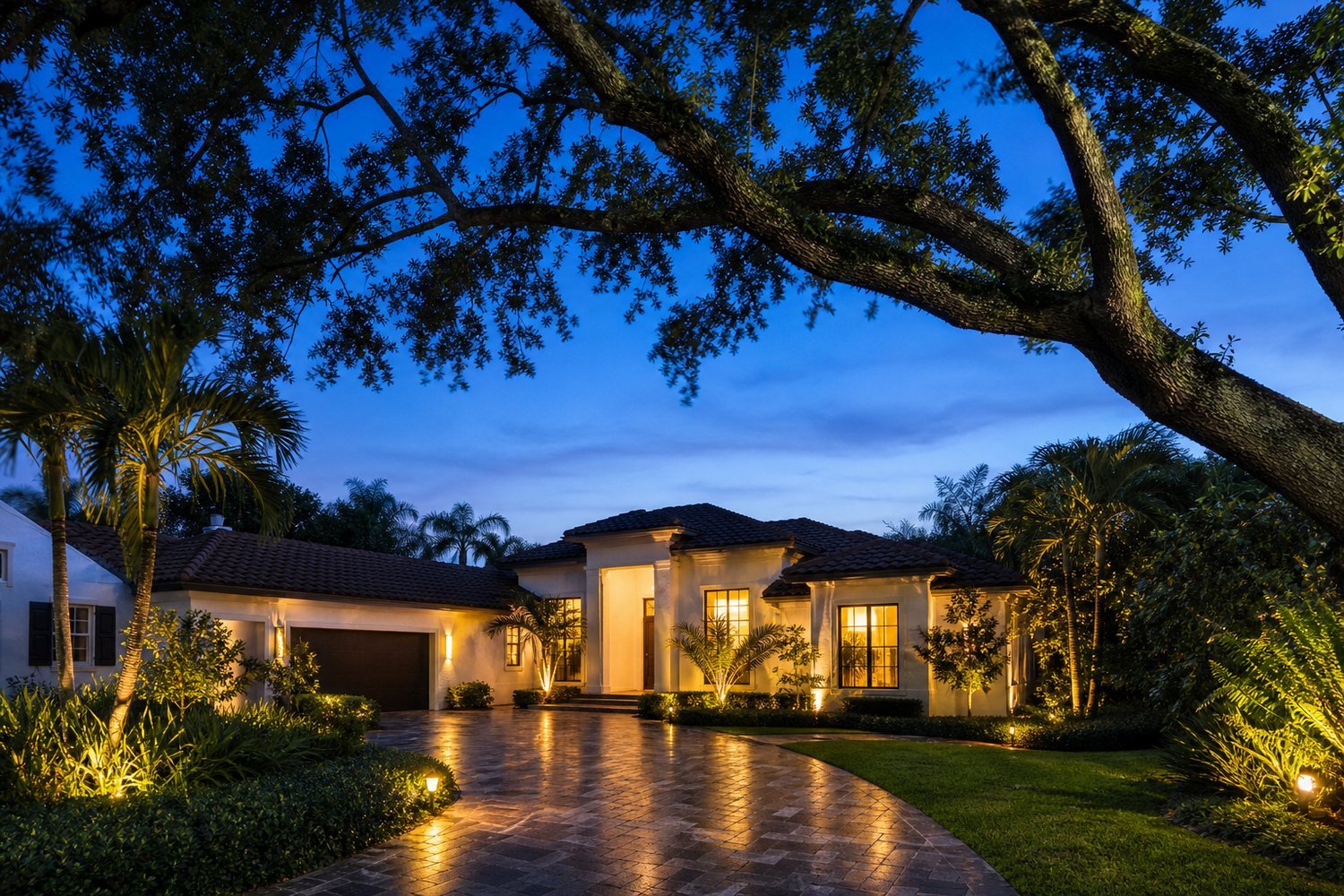


Join The Discussion